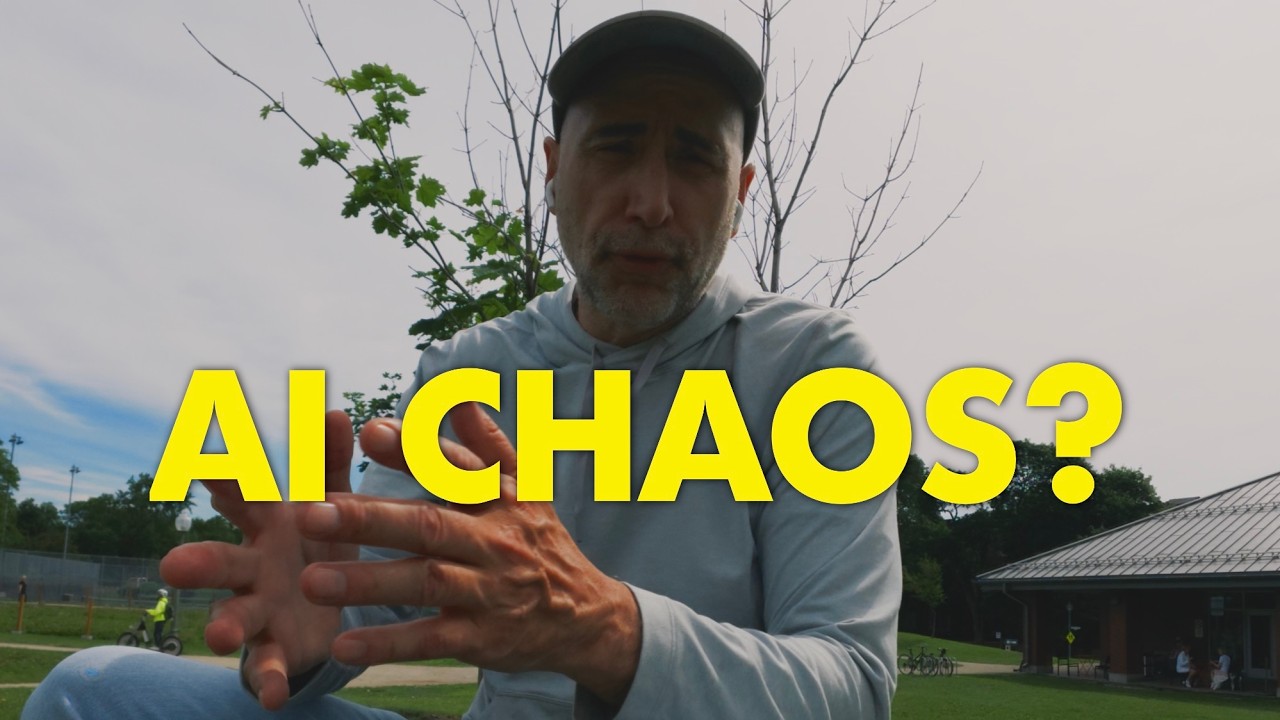
The speaker addresses the current state of AI in the market, describing it as chaotic but not hysterical. They highlight two extreme viewpoints: one dismissing AI as a bubble that doesn’t work due to issues like hallucination, and the other fearing AI will replace all jobs. The speaker, drawing on 30 years of software experience, argues that both extremes are false. AI has its problems, such as generating bad code, but also offers many valuable implementations. Success with AI depends on using it properly, applying solid software development principles like separation of concerns and good system design.
The speaker emphasizes the importance of structuring AI tasks and isolating them to get the best results, noting that AI models have limited contextual capacity. They compare choosing the right AI model for a task to hiring the right expert for a job, stressing that specialized models perform better in their specific domains. Understanding the strengths and limitations of different AI models is crucial for effective use. This approach helps avoid the mess that comes from overloading AI with too much at once.
Reflecting on the broader impact of AI on jobs, the speaker dismisses fears that AI will replace developers entirely. Instead, they see AI as changing the nature of development work. They note that technological shifts often face resistance initially but eventually lead to old jobs fading and new ones emerging. The recent layoffs at Meta, often attributed to AI, are actually due to the failure of the metaverse project, which was based on a misreading of societal trends during the COVID lockdowns. Meta is now hiring developers skilled in AI rather than metaverse programming.
The speaker views the current AI landscape—with its mix of failures, successes, and market confusion—as a significant entrepreneurial opportunity. They encourage viewers to seize this moment, comparing it to past technological waves like the rise of the internet, Bitcoin, React, and iOS development. Early adopters and those who develop expertise in AI stand to benefit the most, just as those who embraced previous technologies early reaped rewards.
In conclusion, the speaker advises that while AI is not a panacea nor a job killer, it is a transformative tool that requires skillful use and understanding. The key to leveraging AI effectively lies in applying established software development principles, choosing the right models for specific tasks, and adapting to the evolving tech landscape. For developers and entrepreneurs, now is the time to engage deeply with AI to capitalize on the massive opportunities it presents.