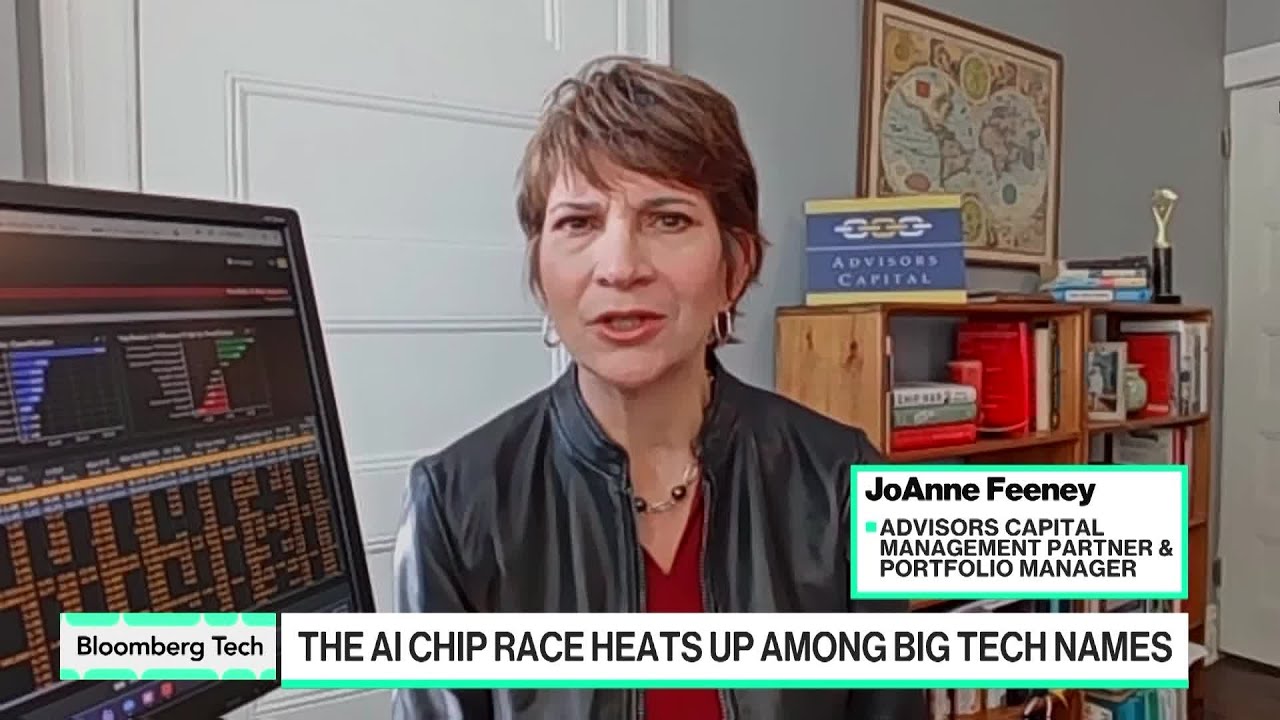
The video discusses the evolving landscape of AI chip development, highlighting Amazon’s success in vertical integration by building custom AI chips like Trainium3 in collaboration with partners such as Marvell. This approach allows Amazon to tailor chips specifically for different AI workloads, driven by customer demand. The discussion emphasizes that AI models are not homogeneous; instead, various models require different types of chips optimized for their unique purposes, creating opportunities for multiple chip manufacturers to thrive alongside dominant players like NVIDIA.
NVIDIA currently holds a significant market share in AI computing, but the rise of application-specific integrated circuits (ASICs) designed for particular AI tasks is expected to chip away at NVIDIA’s dominance over time. Despite this, the overall AI compute market is expanding rapidly, and demand far exceeds supply, leaving room for alternative chip designs to coexist and serve specialized needs. Companies like Amazon and Google are increasingly investing in in-house chip development in partnership with hardware firms, signaling a trend toward more customized AI hardware solutions.
The conversation also touches on the broader AI ecosystem, including cloud providers like Microsoft and Salesforce, which are integrating AI agents into their platforms. While there is some uncertainty about the pace of adoption for these AI agents, the potential applications of AI extend far beyond smart assistants. Industrial uses such as digital twins for simulating factories and buildings, as well as biotech and pharmaceutical research, are benefiting from advances in AI hardware and computational power, enabling new possibilities that were previously limited by traditional CPU capabilities.
A significant part of the discussion focuses on advancements in semiconductor manufacturing technology, particularly lithography, which is crucial for producing cutting-edge chips. The video highlights a $150 million investment by the U.S. government in a startup called X-Lite, which is developing innovative laser technology to compete with industry leader ASML in extreme ultraviolet lithography. This investment, supported by the Chips and Science Act, aims to strengthen the U.S. semiconductor supply chain and manufacturing capabilities by fostering collaborative research and development at Albany Nanotech, a hub for semiconductor innovation.
Overall, the video underscores the dynamic and competitive nature of the AI chip industry, driven by diverse AI workloads, increasing demand, and technological innovation. It illustrates how vertical integration, specialized chip design, and advancements in manufacturing technology are shaping the future of AI hardware. Additionally, government support and strategic investments play a crucial role in maintaining and enhancing the U.S. position in the global semiconductor ecosystem, ensuring that the country remains competitive in this critical technology sector.