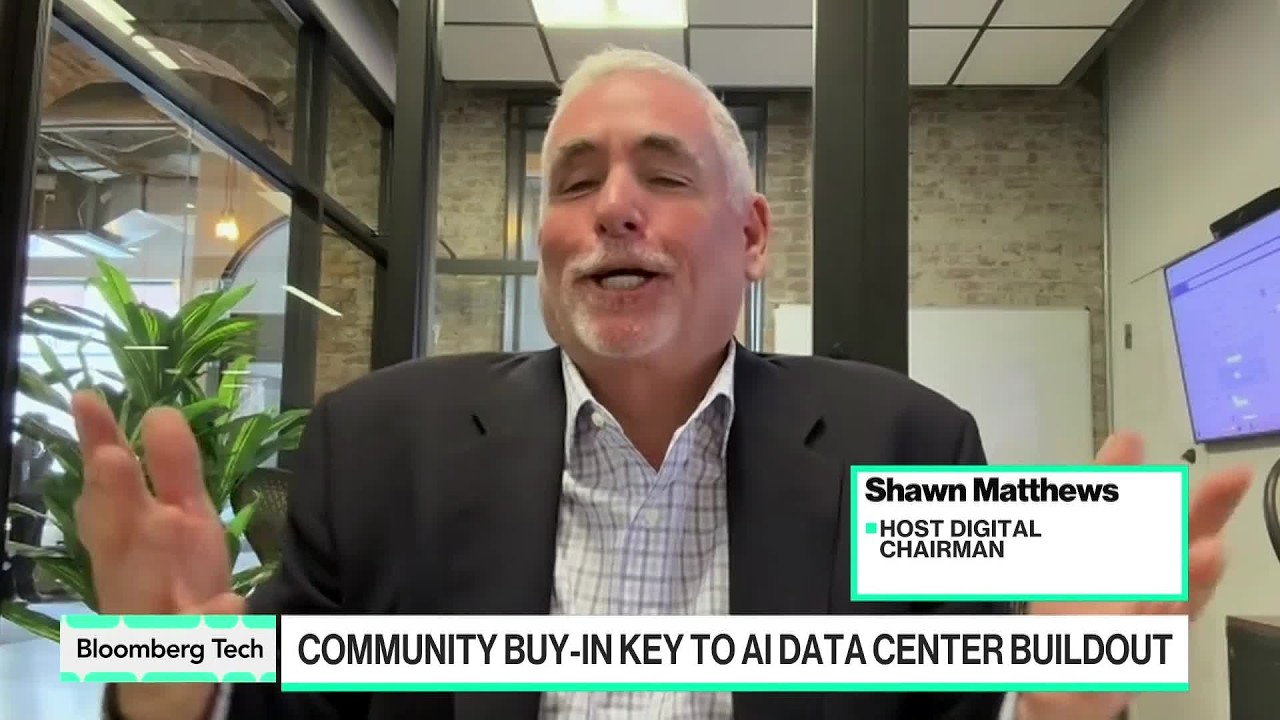
Shawn, chairman of Host Digital, argues that opposition to data centers largely comes from fringe political groups and emphasizes their economic and technological benefits when developed thoughtfully with community collaboration. He also highlights a more cautious capital market environment that promotes sustainable growth by focusing on reliable returns and careful project evaluation.
Shawn, the chairman of Host Digital and former CEO of Cantor Fitzgerald, addresses the current political controversy surrounding data centers, especially as the midterm elections approach. He notes that much of the anger and opposition to data centers comes from fringe political groups pushing their agendas. Despite the noise, Shawn believes that data centers are beneficial for the United States when placed thoughtfully with appropriate power and environmental considerations. He emphasizes that the country should remain a leader in technology and not lose sight of the broader benefits due to political distractions.
Host Digital is still in its early stages but is progressing steadily, with a significant project expected to be handed over to a customer in early 2027. Shawn explains that by working closely with local communities and focusing on reasonably sized projects between 20 and 100 megawatts, they have not faced significant opposition or delays. The company leverages existing real estate and power infrastructure, minimizing environmental impact and ensuring smooth development processes.
Focusing on a case study in Northeast Oklahoma, Shawn highlights the positive economic impact of data center projects. These projects create jobs during the construction phase and provide long-term employment opportunities. Additionally, they contribute to the local tax base without expanding the physical footprint, thereby supporting the local economy sustainably. This counters common misconceptions that data centers drastically alter or harm local communities.
Shawn criticizes politicians for treating all data centers the same, using a broad brush that overlooks important distinctions. He points out that opposition often stems from concerns about power availability and costs, but in many cases, data centers utilize existing power resources without negatively affecting communities. The politicization of the issue has led to an irrational “like or not like” mentality, which Shawn argues is unfounded and counterproductive.
Finally, Shawn discusses the current state of capital markets and financing for data center projects. He notes that credit availability is becoming more discerning, which he views as a healthy development to prevent bubbles caused by overly abundant credit. Investors are now focusing more on cash flow and the reliability of returns, leading to a more logical and sustainable market environment. This shift encourages careful evaluation of counterparties and projects, ultimately benefiting the industry’s long-term stability.
Useful Links