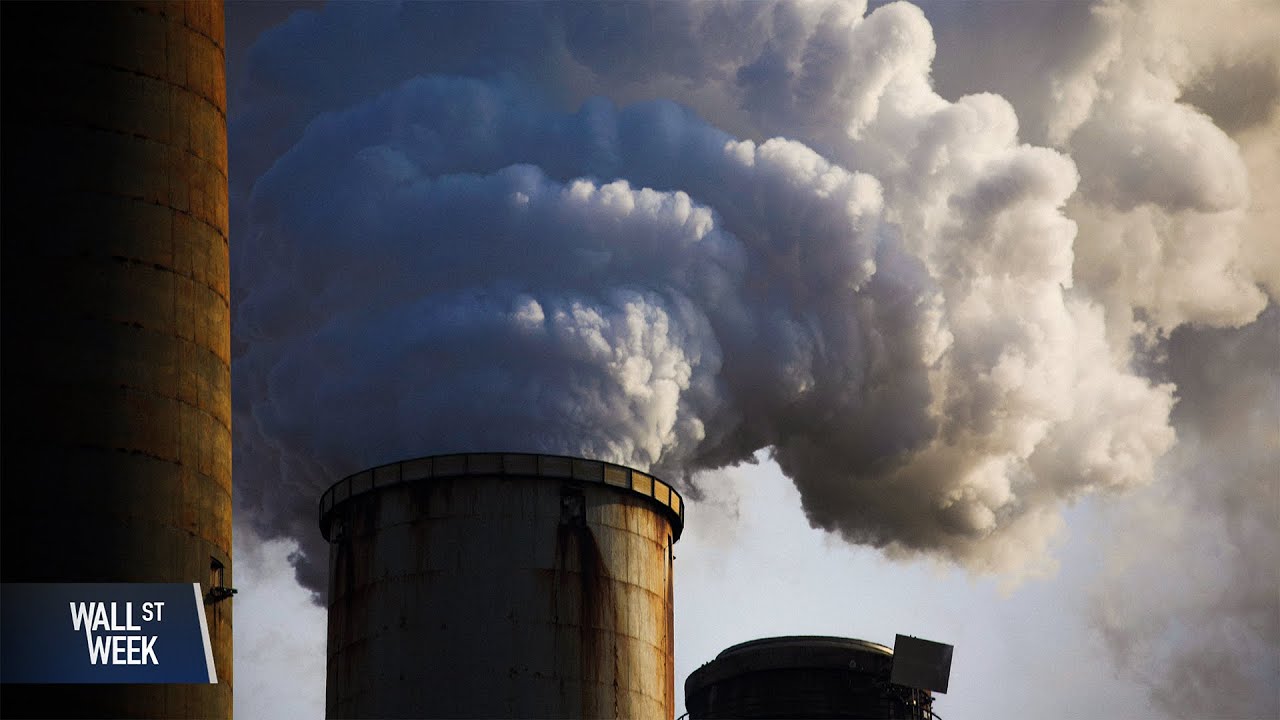
The video explores the complex and often polarized debate around energy policy in the United States, highlighting how both fossil fuel advocates and green energy proponents are responding to a shared reality: a rapidly growing demand for electricity. While political discourse often frames energy choices as a binary between fossil fuels and renewable energy, the truth is more nuanced. The U.S. is experiencing a surge in electricity demand driven by factors such as the expansion of digital technologies, including AI, which is expected to increase electricity consumption by about 25% in the coming years.
Historically, U.S. electricity demand grew steadily until the mid-2000s, then plateaued due to efficiency improvements and industrial modernization. However, since around 2020, demand has started rising again, challenging previous trends. Experts like Ethan Zindler from Bloomberg New Energy Finance note that despite some policy rollbacks on green energy subsidies, the overall increase in electricity demand is creating opportunities for all energy sectors. Markets are responding by investing in the fastest and most reliable energy sources, which currently include natural gas and coal, even as clean energy stocks have surged.
A significant bottleneck in meeting this demand is not energy production itself but the infrastructure and permitting processes required to deliver energy to consumers. Former Energy Department official Dan Briette emphasizes that the U.S. must focus on energy sufficiency from all sources, recognizing that renewables like solar and wind, while growing in capacity, only produce energy intermittently. Therefore, a balanced energy mix that includes fossil fuels remains essential to ensure reliability and meet the increasing consumption needs.
On the consumer side, companies like Sunrun are driving a revolution in residential energy independence by combining solar power with battery storage. CEO Mary Powell explains that this approach allows homeowners to generate, store, and manage their own energy, reducing reliance on the grid and mitigating the impact of rising electricity rates and outages. This consumer-led shift is not only empowering individuals but also contributing to grid stability by enabling distributed energy resources to feed power back into the system.
Finally, the video underscores the strategic importance of energy in national security and economic competitiveness. The U.S. is working to reduce dependence on foreign-made batteries, particularly from China, through new legislation that incentivizes domestic production. As the country races to build a resilient and flexible energy system, it becomes clear that no single energy source will suffice. Instead, a diverse portfolio of energy solutions—fossil fuels, renewables, storage, and infrastructure improvements—will be necessary to meet the growing demand and secure the nation’s energy future.