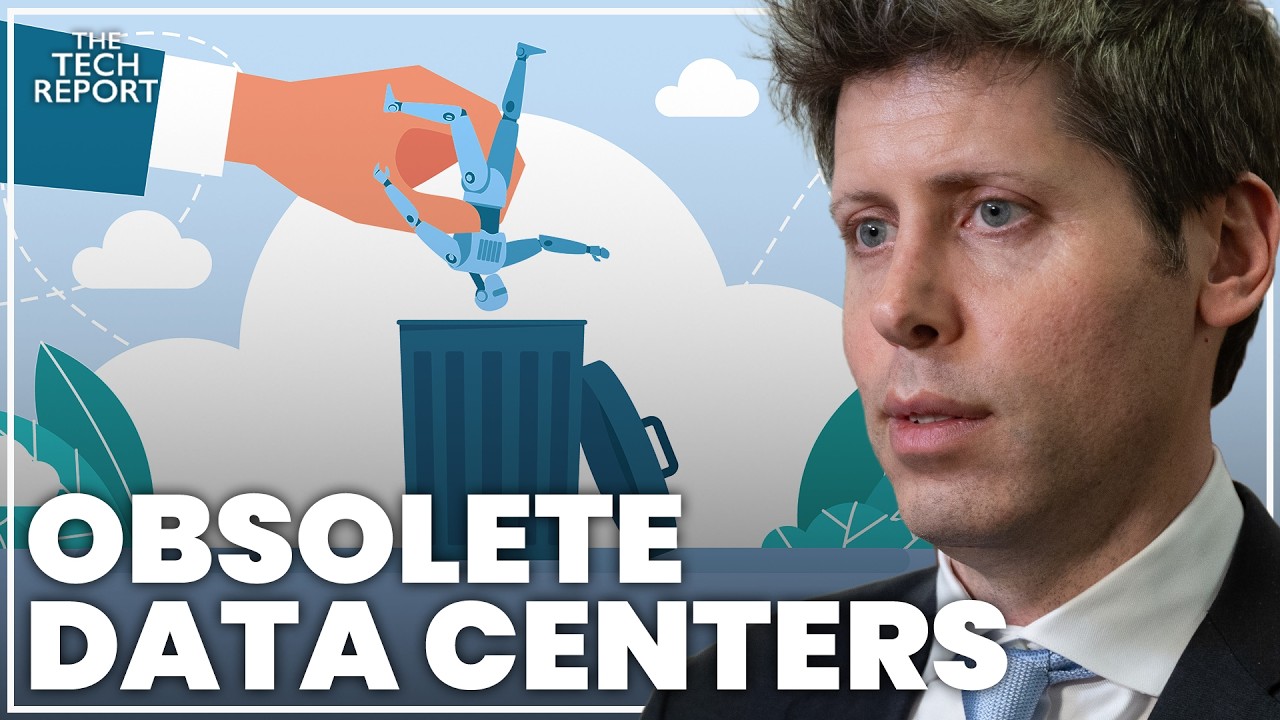
Isaac Pound and Eli the Computer Guy discuss Nvidia’s innovative cooling technology for AI data centers, highlighting its potential to reduce water and energy use but expressing skepticism about its practicality, environmental impact, and long-term viability given regulatory, infrastructural, and economic challenges. They also caution that rapid AI infrastructure expansion may lead to obsolescence by 2030, raising concerns about sustainability, proprietary technology lock-in, and the growing problem of electronic waste.
In the discussion between Isaac Pound and Eli the Computer Guy, they explore the future of AI data centers, focusing on Nvidia’s new cooling technology designed to drastically reduce water and energy consumption. Nvidia’s closed-loop liquid cooling system, which uses a mixture of water and ethanol glycol, promises to increase component density by three times while potentially eliminating water usage in cooling. However, Eli expresses skepticism about claims of completely eliminating water consumption, noting that electricity generation and other factors still contribute significantly to water use. He also highlights the challenges of implementing such systems in urban environments due to regulatory and infrastructure constraints.
The conversation touches on the environmental impact of data centers, including the heat island effect, where surface temperatures rise significantly around these facilities. While recycling waste heat for heating homes and businesses is technically feasible, Eli points out practical obstacles such as zoning laws, property costs, and the existing high electricity demand in cities like New York. He questions whether such measures would genuinely alleviate public concerns about data center resource consumption or simply serve as marketing narratives.
Eli raises concerns about the rapid and massive investment in AI infrastructure, arguing that the technology stack is still immature and that many of the data centers being built now could become obsolete by 2030. He criticizes the current approach of large-scale, fast-paced construction without fully understanding the long-term value or the best methods for building these facilities. He cites reports from Accenture indicating that many companies are not yet seeing clear returns on their AI investments, suggesting a need for more measured and economically justified deployment.
The discussion also highlights potential risks associated with Nvidia’s proprietary cooling technology. While it offers significant efficiency gains, it may lock companies into Nvidia’s ecosystem, limiting flexibility and future upgrades. Eli worries about the sustainability of such investments if Nvidia decides to discontinue support or if the technology becomes outdated. Additionally, the challenge of retrofitting existing data centers with new cooling systems is noted as costly and complex, reinforcing the argument for slowing down current buildouts.
Finally, the conversation addresses the looming issue of electronic waste generated by the rapid refresh cycles of AI hardware. Eli emphasizes the lack of effective recycling programs and government policies to manage the growing volume of discarded equipment. He doubts that companies like Nvidia or HP will take responsibility for recycling, and he foresees much of the e-waste being shipped to developing countries for informal processing. Despite the potential cost savings from Nvidia’s technology, Eli remains uncertain whether these efficiencies will significantly impact the broader economic challenges facing AI development and deployment.