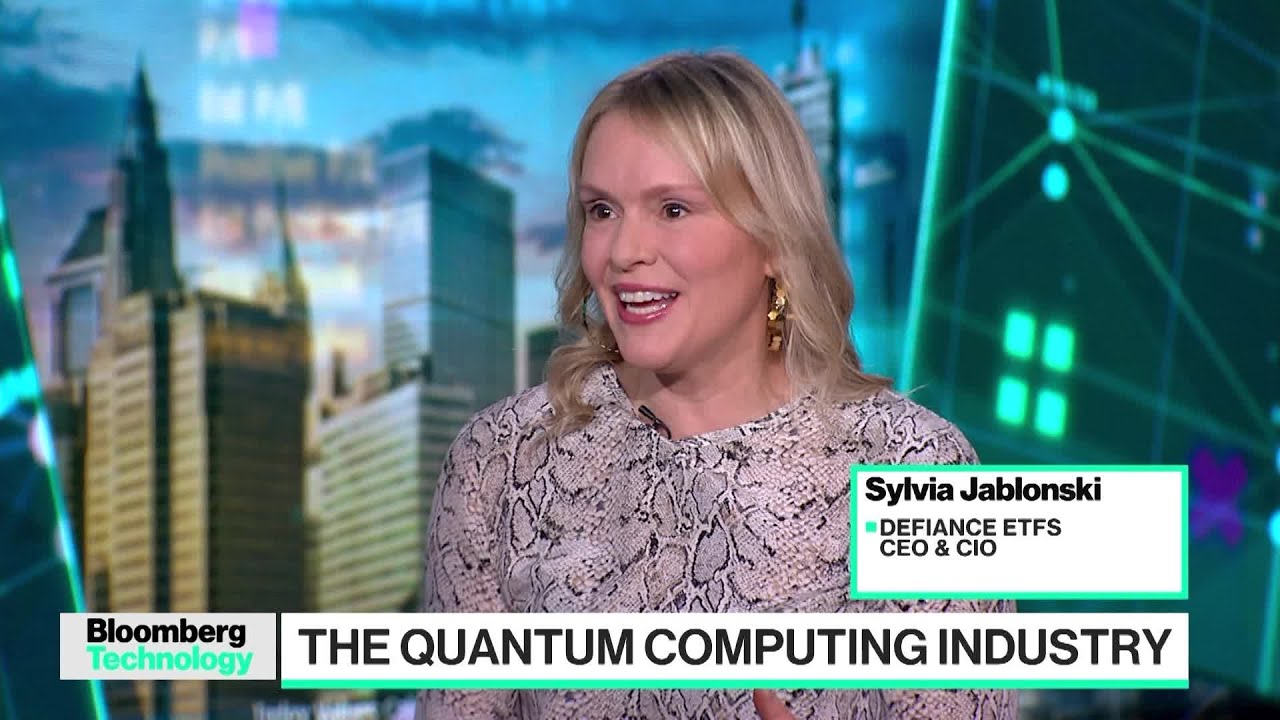
Defiance CEO Jablonski discussed the unprecedented demand for leveraged products related to MicroStrategy, driven by the booming Bitcoin market and increasing interest from both institutional and retail investors. He also highlighted the rising interest in quantum computing investments, emphasizing a balanced approach between established tech companies and high-growth smaller firms within their quantum ETF.
In a recent discussion, Defiance CEO Jablonski highlighted the unprecedented demand for leveraged products related to MicroStrategy, particularly in the context of the booming Bitcoin market. He noted that their MicroStrategy ETF has seen billions of dollars in assets flowing in, making it the fastest-growing ETF they have ever encountered. The surge in interest is attributed to Bitcoin’s significant price increase and favorable market conditions, including the potential commercialization of Bitcoin ETFs and supportive government policies. MicroStrategy is viewed as a prime proxy for Bitcoin, allowing investors to gain exposure to Bitcoin’s volatility through a single stock.
Jablonski emphasized that both institutional and retail investors are driving this demand. Institutions, while cautious about directly holding Bitcoin, find MicroStrategy’s stock more palatable as it trades on an exchange. This accessibility has led to increased interest from institutional portfolios, further fueling the ETF’s popularity. The conversation also touched on the broader trend of younger investors, particularly Gen Z and Millennials, allocating their funds towards innovative sectors like cryptocurrency and technology, marking a significant generational wealth transfer.
The discussion then shifted to the infrastructure side of the investment landscape, particularly in quantum computing. Jablonski noted that demand for quantum-related investments is at an all-time high, driven by recent breakthroughs in the field, such as those from Google. He mentioned that there is a substantial amount of cash on the sidelines, with investors eager to engage in the fourth industrial revolution, which includes both quantum and AI technologies.
When discussing specific stocks, Jablonski highlighted a mix of large-cap companies like IBM and Google, alongside smaller firms that have shown remarkable performance, such as D-Wave and Iron Cube. He pointed out that the combination of established companies and high-growth smaller firms provides a balanced investment approach within their quantum ETF. The performance of these smaller companies has been impressive, with some experiencing significant percentage gains over the past year.
Lastly, Jablonski addressed the cautious approach investors are taking towards volatile stocks. While many are eager to invest in high-flying tech names, there is also a trend towards balancing these investments with more stable options like larger tech companies. The favorable regulatory environment and potential for growth in the quantum sector further enhance the attractiveness of these investments. Overall, the conversation underscored the dynamic nature of the current investment landscape, driven by technological advancements and shifting investor preferences.