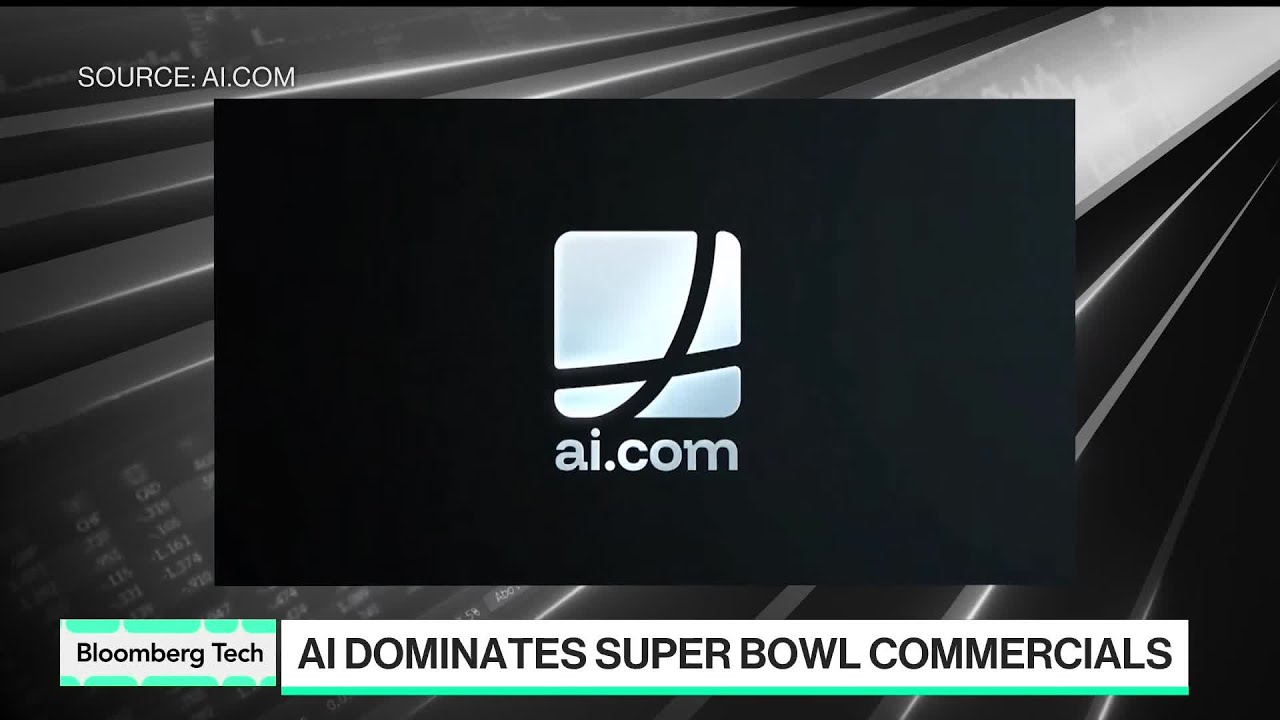
This year’s Super Bowl was notably dominated by technology and artificial intelligence (AI) advertisements, surpassing the traditional presence of automotive and beer ads. The event marked a significant shift, with more AI product ads than those from the usual Super Bowl stalwarts. A standout moment was the ad for AI.com, which generated massive curiosity and engagement, even causing the website to crash temporarily due to the influx of visitors. The ad’s success was attributed to its novelty, the ongoing rivalry between major AI companies like Anthropic and OpenAI, and the strategic use of surprise and trendiness to capture viewers’ attention.
The Super Bowl audience was observed to engage most with two types of ads: those introducing innovative technology or healthcare products, and those leveraging nostalgia and celebrity appeal. Pharmaceutical brands like Novo Nordisk (promoting Wegovy) and Hims & Hers also performed exceptionally well, ranking among the top 20 most engaging ads. These results highlight a growing interest in both cutting-edge solutions and familiar, emotionally resonant content, reflecting the diverse preferences of the Super Bowl’s broad viewership.
From a marketing perspective, the Super Bowl remains one of the most effective platforms for reaching high-value, enterprise-level audiences. Despite the high cost of advertising during the event, the sheer scale and engagement of the audience make it a cost-efficient way to deliver business-to-business (B2B) messages. The event’s location in the Bay Area, the heart of the tech industry, further amplified the relevance and impact of technology-focused ads this year.
The analysis also revealed that modern consumers, regardless of whether they watch traditional TV or streaming services, tend to respond to ads by engaging online—searching for brands, visiting websites, or using apps. This digital behavior is highly predictive of future market share and sales, underscoring the importance for marketers to balance big, broad-reach moments like the Super Bowl with more targeted digital campaigns. The most successful strategies combine mass engagement with precise targeting, adapting to the evolving customer journey in the digital age.
Finally, the Super Bowl’s advertising strategies are increasingly tailored to Gen X and millennial viewers, who now hold the most economic power. Nostalgic references from the late 1980s to early 2000s, such as appearances by the Backstreet Boys, Bon Jovi, and Green Day, were prevalent and effective. There is ongoing debate about the best timing for ad releases, but the consensus is that surprises and well-timed reveals during the Super Bowl itself tend to generate the most engagement, while releasing ads too far in advance can diminish their impact.