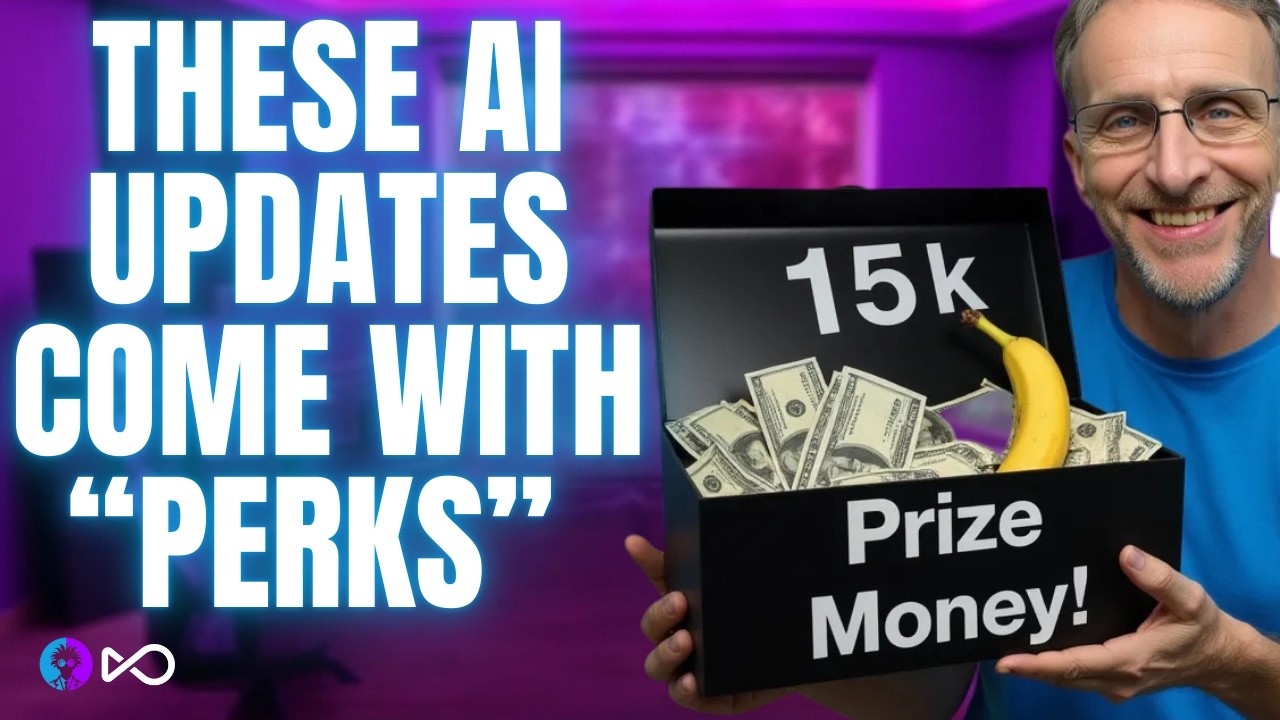
The video highlights exciting developments and opportunities for AI filmmakers and storytellers, focusing primarily on the Open Art platform. Open Art is evolving into an all-in-one tool for AI video creation, offering essential features like text-to-video and image-to-video generation using advanced models such as Hiluo version two. Currently, Open Art is hosting a contest in collaboration with Miniax, creators of the Hiluo models, with a total prize pool of $15,000. Participants can enter various categories like best music video, best explainer video, and best character story, with perks including free video generations and unlimited credits for advanced plan users during the contest period.
The video showcases the impressive capabilities of the Hiluo model version two, which excels at generating complex movements and disaster scenes, complete with automatically generated sound effects. Examples include dynamic sequences like earthquakes, tsunamis, and action scenes with explosions, all created through detailed text prompts. Open Art also introduced a convenient “grab frame to video” feature that allows users to extend videos seamlessly by using the last frame of one video as the starting frame for the next, enabling the creation of longer, continuous animations.
Another significant update is the release of the Cling 2.1 model, which supports start and end frame inputs to create smooth transitions between vastly different scenes or objects. This model is particularly adept at morphing and blending images, allowing filmmakers to craft seamless animations that transition between different locations, characters, or actions. The video provides multiple examples demonstrating how this feature can be used creatively to enhance storytelling and visual effects.
Open Art has also integrated Topaz’s industry-leading video upscaler, enabling users to enhance video resolution up to 4K and increase frame rates for smoother playback. This addition significantly improves video quality, making animations look more polished and professional. Furthermore, the platform now supports 11 Labs voice generation, allowing creators to add natural-sounding voiceovers with lip-sync capabilities directly within the video editor, streamlining the production process.
Lastly, the video introduces the newly added Nano Banana model, which allows for image editing and character consistency through chat and text prompts. This tool is ideal for creating coherent start and end frames for videos and can be used to add or modify elements within scenes, such as characters or objects, maintaining visual continuity. The presenter demonstrates how Nano Banana can be used to craft a narrative involving a man and a giant butterfly, culminating in a commercial-style close-up shot, showcasing the model’s versatility and integration with other Open Art features to produce high-quality AI-generated films.