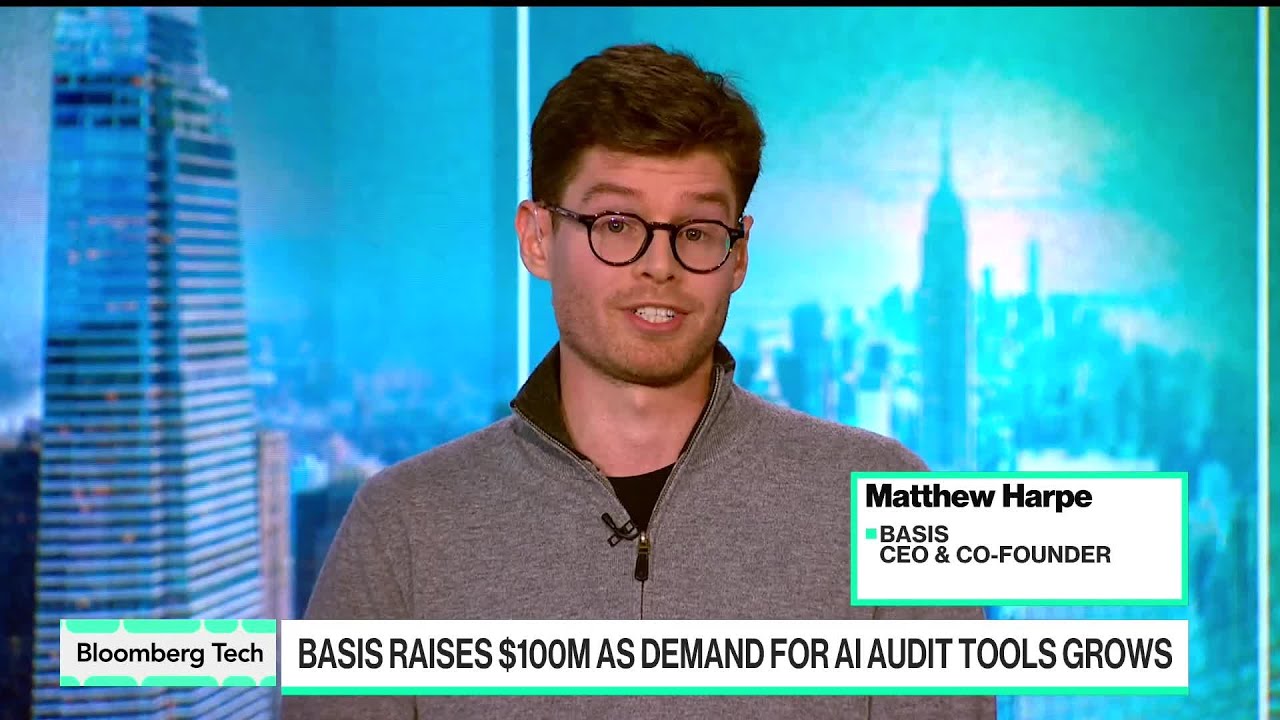
The video discusses how AI-driven accounting solutions, like those from Basis, enhance efficiency and capacity but still require human oversight for trust, transparency, and complex decision-making. Rather than replacing accountants, AI is expected to empower them to handle more ambitious and valuable work, improving the overall quality and reliability of accounting services.
The discussion centers on the experience of using accounting portals for tax filing, highlighting the current need for human oversight even when automation is involved. The speaker describes how, despite uploading documents like W-2s and 1099s, users still need to double-check the automated processes. This underscores the importance of “observability”—the ability to see and understand what the system is doing at a granular level—especially when handling business tax filings at scale.
The speaker emphasizes that for AI-driven accounting solutions to be effective, they must offer domain-specific user experiences and auditability. Unlike generic tools, specialized accounting AI needs to provide transparency and control so accountants can trust and verify the system’s work. This is crucial for maintaining the integrity of financial processes and ensuring compliance, particularly for businesses with complex needs.
A key point made is the enduring value of human accountants. While AI can automate and streamline many tasks, clients still want a trusted human relationship for important financial matters. The future of accounting, according to the speaker, lies in collaboration between AI and human professionals. This partnership can enhance the client experience and improve the quality and reliability of tax and accounting services.
The conversation then addresses whether AI will replace accountants or serve as an aid. Drawing a parallel to software engineering, the speaker notes that while AI has automated much of the coding process, demand for engineers has not decreased—in fact, it has increased as automation frees up time for more ambitious projects. Similarly, AI in accounting is expected to expand the scope of work that can be accomplished, rather than eliminate jobs.
Finally, the speaker points out that there is a vast amount of accounting work that currently goes undone due to resource constraints. Examples include failed government audits and hospitals unable to accurately track procedure costs. By leveraging AI, accounting firms can increase their capacity, tackle more complex tasks, and ultimately provide greater value. The integration of AI is seen as a way to empower accountants to do more, not less, mirroring the productivity gains seen in other fields like software engineering.