Certainly! Here’s a five-paragraph summary of the video transcript:
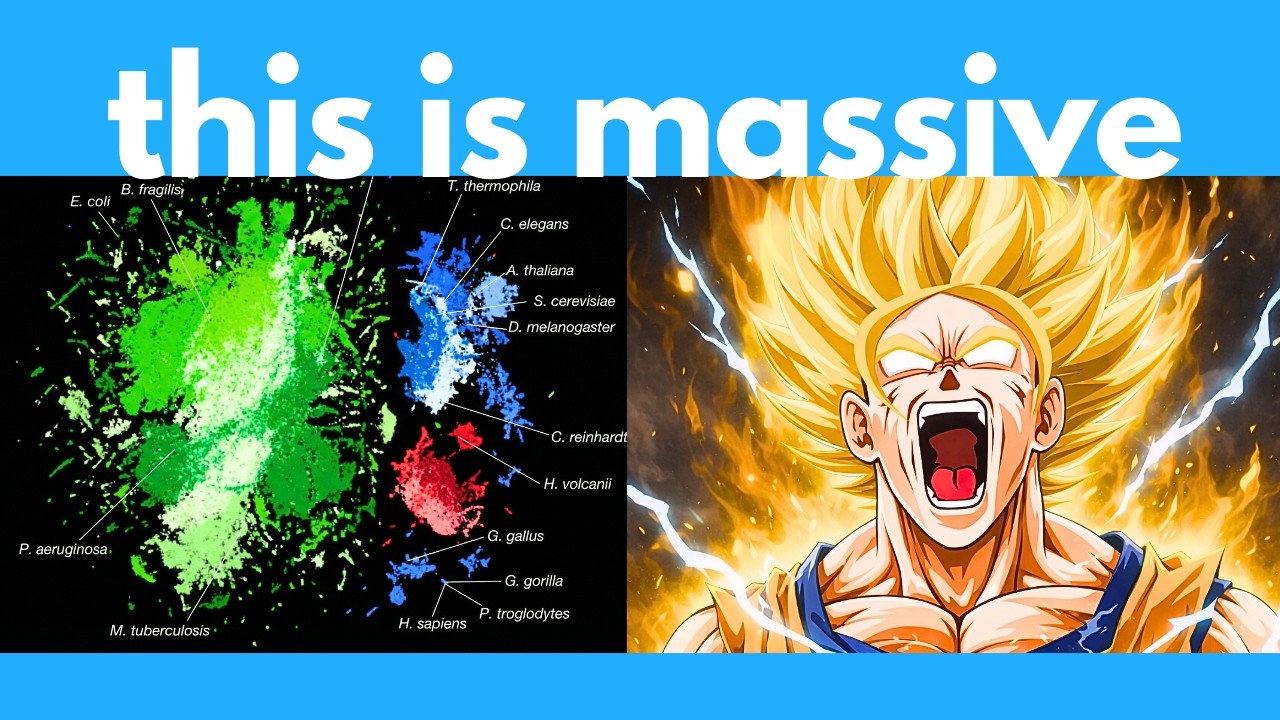
Researchers have achieved a major breakthrough by developing an AI model called EVO 2 that can understand and generate DNA, the fundamental code of life. Inspired by large language models like ChatGPT, EVO 2 was trained on 9 trillion DNA base pairs from a vast range of organisms, including bacteria, plants, fungi, animals, and humans. This model can analyze DNA sequences, predict the effects of genetic mutations, and even generate complete genomes, opening up transformative possibilities in biology, medicine, and biotechnology.
EVO 2 stands out due to its ability to process a million DNA letters at once, allowing it to capture long-range dependencies and regulatory elements within genetic material. The model demonstrated its understanding through rigorous tests, such as identifying harmful mutations, recognizing essential biological signals like start and stop codons, and distinguishing between subtle genetic changes. Remarkably, EVO 2 could infer complex biological rules, such as exceptions in genetic codes found in certain organisms, without explicit instruction.
The AI’s capabilities extend to human health, where it was tested on clinically relevant genes like BRCA, which are linked to cancer risk. Without prior exposure to medical labels or disease data, EVO 2 accurately identified which genetic mutations were benign and which were pathogenic, showcasing its potential as a powerful tool for disease detection and personalized medicine. This could revolutionize how doctors interpret genetic data and assess patient risk.
Beyond analysis, EVO 2 can generate functional DNA sequences from scratch. The researchers demonstrated this by having the AI generate the complete mitochondrial genome and the full genomes of bacteria and yeast, with external validation confirming the biological plausibility of these sequences. Importantly, the model was designed with safety in mind: it was not trained on dangerous virus DNA, and tests confirmed it could not generate viable human pathogens, addressing biosecurity concerns.
The open-sourcing of EVO 2 and its dataset paves the way for widespread research and innovation, but also raises ethical and security questions. The technology could enable the engineering of improved crops, new energy solutions, and even the design of new species or enhanced humans. However, the immense power of such AI demands responsible use, as misuse could have serious consequences. The video concludes by emphasizing the need for ethical considerations and vigilance as AI continues to unlock the secrets of life.