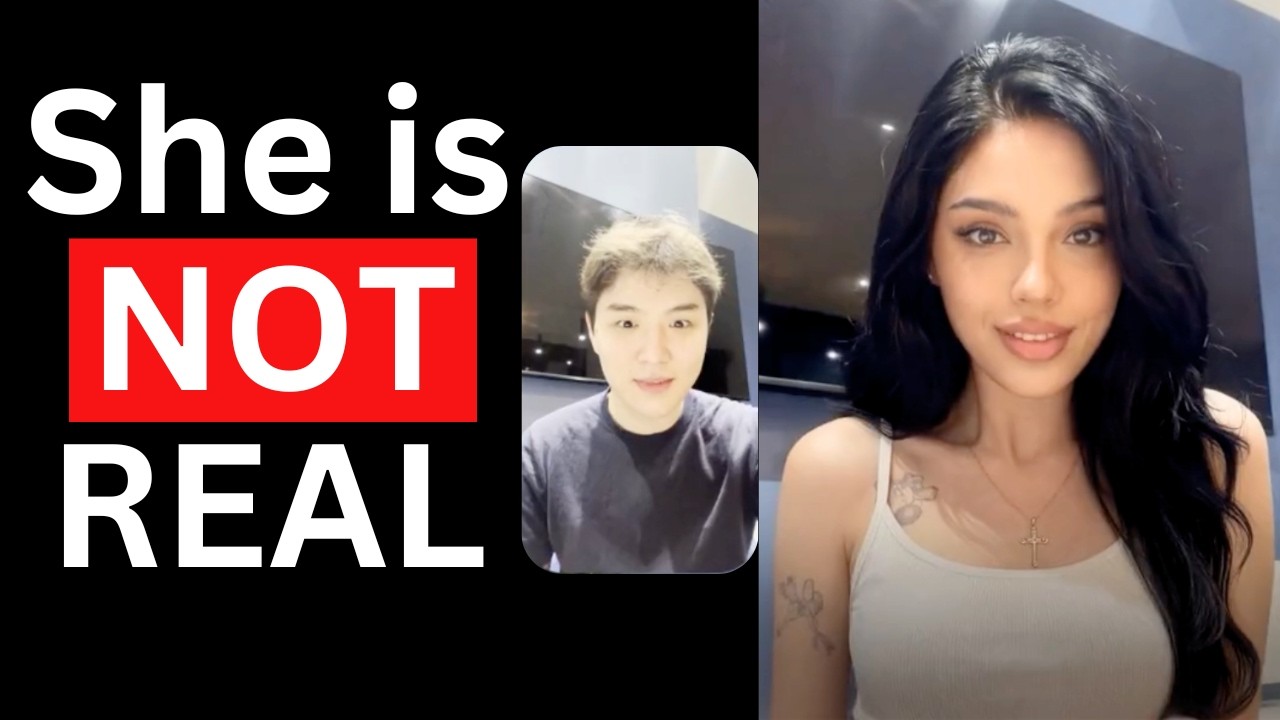
The video discusses the rapid advancement of AI-generated influencers, focusing on a platform called Higgsfield AI. The creator demonstrates how users can record a video and overlay it with an AI-generated character, effectively giving themselves a new digital “skin.” Higgsfield AI offers a variety of preloaded influencer models, ranging from unusual to more realistic human characters. Users can customize these characters extensively, adjusting features such as skin tone, age, gender, and even adding fantastical elements like reptilian eyes or pointy ears.
The tutorial walks through the process of creating and customizing an AI influencer. The creator shows how to modify a character’s appearance, such as removing skin conditions or making the character appear more modest and relaxed. Once a consistent character is created, users can generate videos featuring that character performing various actions. The platform is currently in high demand, making it difficult to create entirely new characters from scratch, but users can work around this by modifying existing templates.
Higgsfield AI provides a motion library with a range of viral actions, particularly those popular on platforms like TikTok. The creator demonstrates how these AI influencers can be animated to perform dances or gestures, and notes the impressive realism in the generated videos, including details like clothing creases and reflections in mirrors. However, some imperfections remain, such as unnatural mouth movements or odd facial features, which can sometimes reveal the AI-generated nature of the characters.
The video also explores the platform’s multi-shot video generation feature, which allows users to create more complex, multi-segment videos with their AI influencers. The creator tests this by prompting the AI to perform simple actions, like waving or telling a joke, and observes that while some results still look artificial, others are remarkably convincing. The platform offers different video generation models, each with varying levels of realism, and users can experiment to find the best results.
Finally, the creator highlights the monetization opportunities on Higgsfield AI, where users can earn money by creating and sharing videos featuring their AI influencers. The platform incentivizes content creation by offering payouts based on video views. The creator reflects on the ethical implications of AI influencers, noting that while some characters are obviously fictional, others are indistinguishable from real people, raising questions about authenticity and trust in social media. The video concludes by encouraging viewers to explore the platform and stay informed about these emerging technologies.