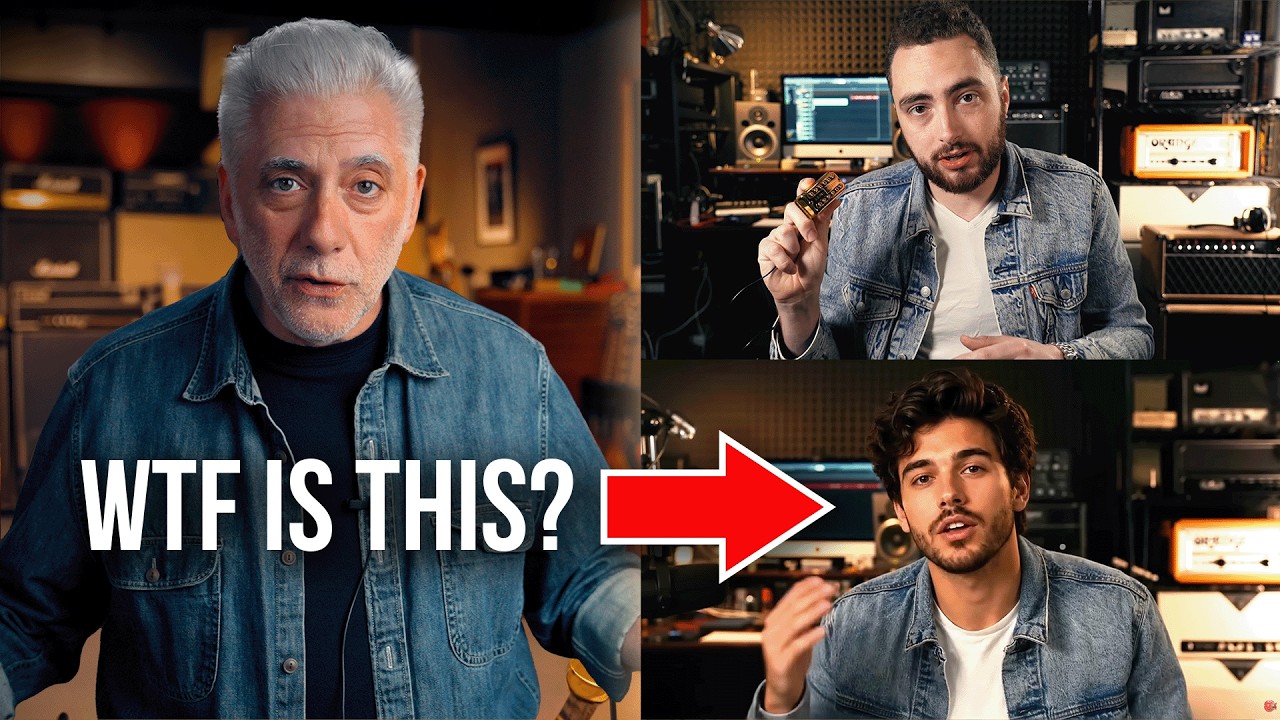
In the video, Rick Bato exposes the rise of AI-generated fake content in the guitar and music community, highlighting how deepfake avatars, synthetic voices, and fabricated visuals flood platforms like YouTube and Instagram, misleading viewers and diluting authentic creativity. He warns about the ethical issues of AI content stealing from real artists, the spread of misinformation, and urges viewers to support genuine creators amid the growing prevalence of deceptive AI media.
In this video, Rick Bato exposes the rise of AI-generated content in the guitar and music community, highlighting how fake videos and personas are flooding platforms like YouTube and Instagram. He begins by showing an example where an AI-generated avatar mimics the background and setting of a real guitar YouTuber, Rhett Schull, but with a completely fabricated host. This fake channel copies Rhett’s thumbnails and content style but with poor AI-generated dialogue and visuals, misleading viewers and diluting authentic content.
Rick further demonstrates the flaws of AI-generated videos by pointing out errors such as the AI’s inability to understand context—confusing the word “bass” in different meanings—and glitches in the avatar’s face during speech. Using Google’s AI detection tool Gemini, he confirms that these videos are created using multiple AI tools, including deepfake avatars, synthetic voices, and AI-generated images and video clips. The AI content is riddled with obvious mistakes, such as distorted faces and inaccurate or nonsensical imagery, which reveal the artificial nature of these productions.
The video also critiques AI-generated historical content on Instagram, where entire narratives about the invention of the electric guitar are illustrated with fabricated images and videos. Rick points out numerous visual inaccuracies in these AI-generated images, such as impossible guitar designs and incorrect anatomical details, emphasizing how these AI hallucinations produce misleading and false representations of history and facts. This further illustrates the widespread problem of AI-generated misinformation in creative fields.
Rick expresses concern about major platforms like YouTube, Instagram, and Spotify promoting and pushing AI-generated content over genuine artists and creators. He questions why these platforms prioritize AI-generated “slop” that steals from real artists’ work instead of supporting authentic human creativity. He highlights the ethical issue that AI content is created by training on stolen art and intellectual property, which undermines the value and rights of original creators.
In conclusion, Rick calls on viewers to be aware of the growing presence of AI-generated fake content and to support real artists instead. He encourages discussion and invites viewers to share their thoughts on the impact of AI in creative industries. The video serves as a warning about the deceptive nature of AI-generated media and the challenges it poses to authenticity, creativity, and intellectual property rights in the digital age.