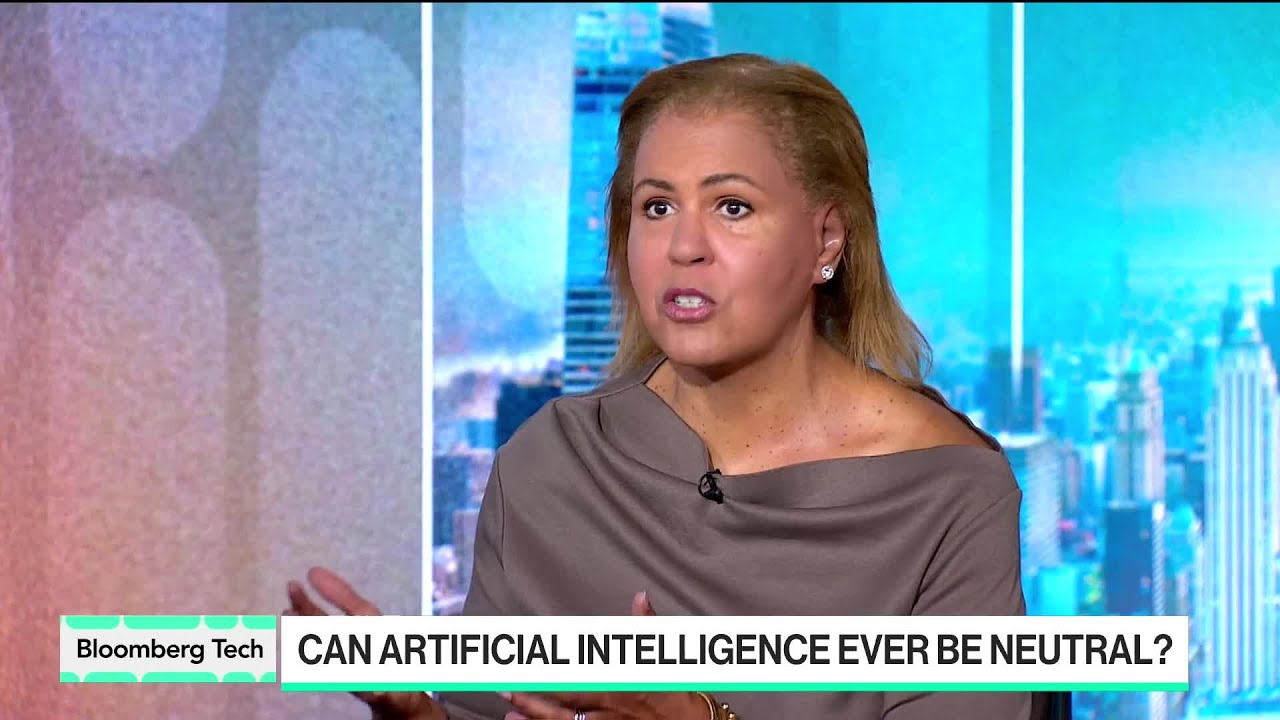
In the discussion with UCLA professor Sofia Noble, author of “Algorithms of Oppression,” she expresses deep concerns about the current state of AI, particularly large language models and chatbot technologies. Noble argues that these AI systems are far from safe or reliable, highlighting that many were initially developed to reduce labor costs in corporate America. However, corporations are reportedly moving away from these technologies due to their high costs, frequent factual errors, and significant negative environmental impacts. She warns that pushing flawed AI systems onto the public as solutions is dangerous, especially given the persistent issues of racial, gender, geographic, and political biases embedded within these models.
Noble draws parallels between the biases found in commercial search engines, which she studied extensively, and those present in large language models. She explains that these AI systems are trained on data that inherently reflects societal discrimination and inequality. Moreover, the engineers designing these models often lack awareness of the social, historical, and economic contexts that contribute to these biases. Unlike earlier technologies, current AI models obscure these inequalities by presenting biased outputs as factual and reliable, which can mislead users without specialized knowledge. This obfuscation poses significant risks if such models become foundational to businesses, public institutions, and educational systems.
When discussing potential solutions, Noble emphasizes the irreplaceable value of human expertise, including journalists, fact-checkers, teachers, and thinkers. She advocates for investing in human-centered knowledge, particularly in the humanities and social sciences, to counterbalance the overreliance on flawed AI technologies. Noble also highlights the importance of supporting smaller, more ethical AI projects led by women and people of color, which tend to be underfunded but hold promise for developing pro-social and rights-respecting technologies that could guide society forward.
Regarding the tech industry’s response to these issues, Noble is critical of companies’ attitudes, stating that they often deny the most dangerous aspects of their products. She points out that these corporations prefer to shape regulations to their advantage rather than genuinely address the harms caused by their technologies. Noble references recent legal actions, such as a landmark ruling against Meta, which acknowledged the harm their products have inflicted, particularly on girls and women. She also notes the growing litigation against tech companies as evidence of increasing accountability for the negative impacts of AI and related technologies like deepfakes.
Overall, Sofia Noble’s perspective underscores the urgent need for caution, critical oversight, and a shift in investment priorities in AI development. She warns against blindly trusting large language models and stresses the importance of human judgment and ethical considerations in technology. Her insights call for a more inclusive and socially aware approach to AI, one that recognizes and actively mitigates bias and harm rather than perpetuating it under the guise of innovation.