The video begins by examining the software development life cycle (SDLC) from day zero, emphasizing how AI impacts each stage differently. Initially, during requirements gathering and planning, AI’s influence is minimal because these stages require human insight and decision-making about market needs and technical specifications. However, AI significantly aids the design and implementation phases by accelerating tasks like coding and generating design elements, reducing the time and effort required by developers. Despite this, human oversight remains crucial to guide AI and ensure the product aligns with the vision.
Once the product is released, the video highlights the ongoing challenges developers face, such as fixing bugs, adding missing features, and managing slow growth. AI can assist in bug fixing and some coding tasks, but planning new features and handling customer relations still demand substantial human involvement. The workload may be reduced, but the complexity and volume of tasks increase as the user base grows, necessitating more personnel to manage these evolving demands effectively.
The discussion then shifts to the broader impact of AI on employment, referencing a Stanford paper that suggests AI’s overall effect on job loss is currently small. While certain entry-level and grunt work positions have declined, especially for early-career workers, this trend is influenced by multiple factors beyond AI, including economic shifts and the pandemic’s impact on remote work. The data indicates that AI has not yet caused widespread unemployment but has altered the nature of work and hiring practices in some sectors.
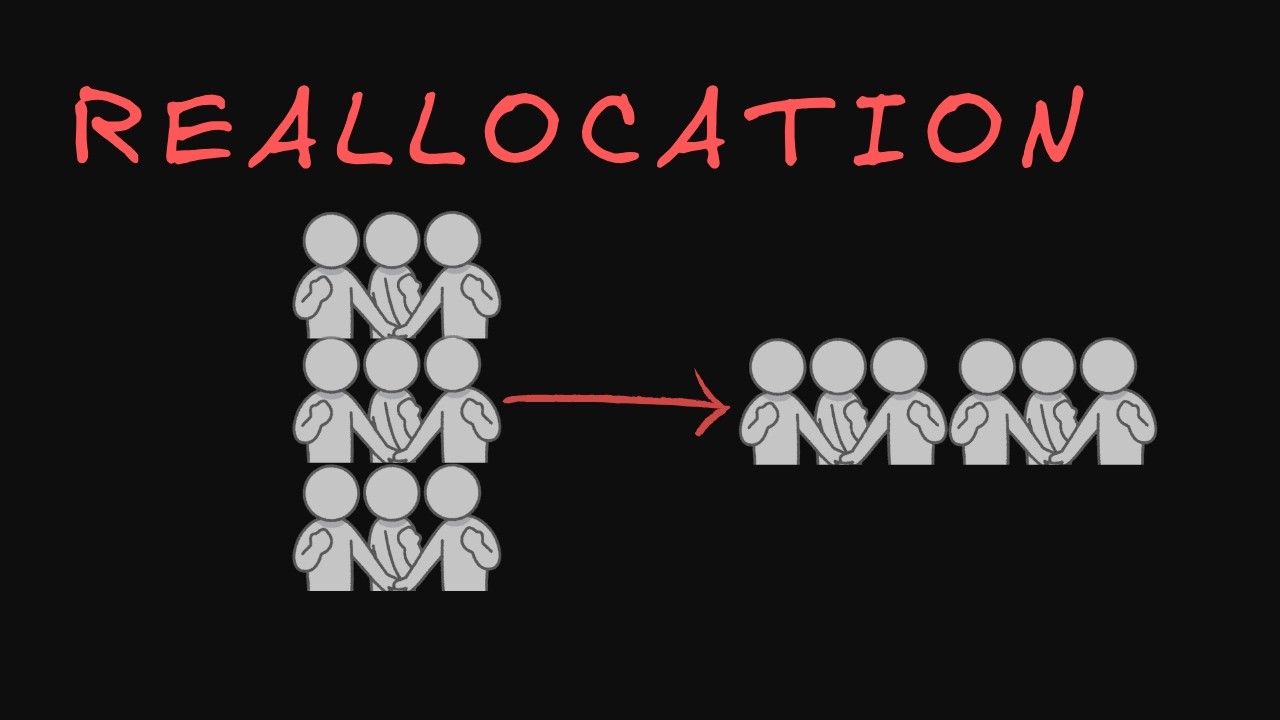
Importantly, the video argues that AI is not replacing jobs outright but redistributing and transforming them. Instead of needing large teams focused on a single product, companies can now operate with smaller teams supported by AI, allowing them to diversify their offerings and invest more in research and development. This horizontal redistribution means that while fewer people may be needed for one task, more opportunities arise across various projects and features, maintaining the demand for human skills in planning, prompting AI, and customer engagement.
In conclusion, the video encourages viewers to see AI as a tool that moves and reshapes jobs rather than eliminates them. It stresses the ongoing need for human creativity, strategic thinking, and interpersonal skills in the AI-augmented workplace. For students and workers alike, the advice is to continue developing skills, adapt to new workflows involving AI, and remain proactive in the job market. The future of work will still require people, but their roles will evolve alongside AI technologies.