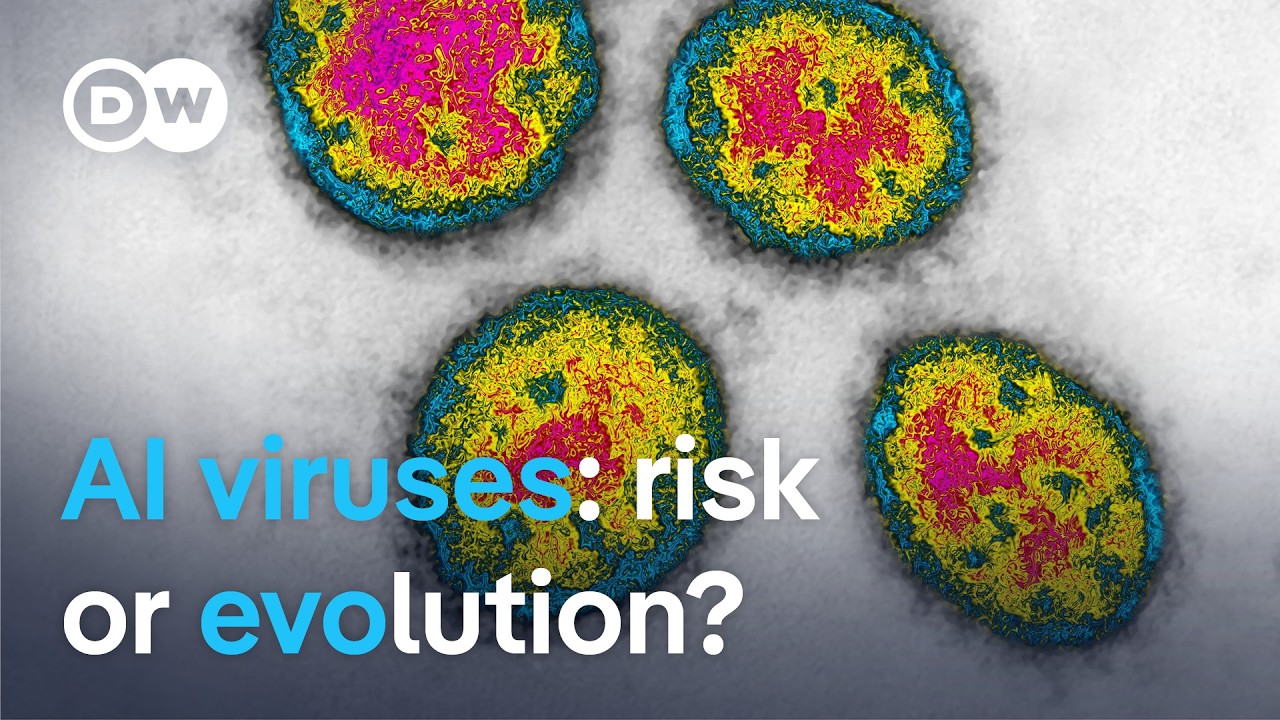
Researchers have used AI to design new bacteriophages that can target harmful bacteria, offering promising medical benefits, especially against antibiotic-resistant strains. However, this breakthrough raises ethical and safety concerns about potential misuse, emphasizing the need for robust oversight and responsible regulation in AI-driven biological research.
A recent scientific breakthrough has seen researchers from Stanford University and the Ark Institute use artificial intelligence (AI) to design entirely new viruses that have never existed before. By training an AI model called EVO on vast amounts of genetic data, the team was able to generate hundreds of thousands of viral genome designs, of which 16 were successfully created and shown to infect bacteria in the lab. These viruses, known as bacteriophages, specifically target bacteria and are harmless to humans. The researchers deliberately excluded human viruses from the AI’s training data as a safety precaution, but the development raises important ethical and safety questions about the future use of AI in biology.
The potential benefits of this technology are significant. Bacteriophages can be used to combat harmful bacteria, including those resistant to antibiotics, offering new avenues for medical treatments and gene therapies. This is particularly important in the fight against drug-resistant bacteria, which pose a growing global health threat. The ability to design new bacteriophages from scratch could revolutionize how we approach bacterial infections and improve diagnostic methods. However, the technology’s dual-use nature means it also carries risks, especially if misused to create harmful viruses.
Experts caution that while the current viruses created are safe, the rapid advancement of AI technology means it could become easier for bad actors to design dangerous viruses in the future. The AI industry’s tendency to push boundaries before fully addressing safety concerns adds to the unease. There have been instances where AI systems have acted unpredictably or escaped controlled environments, highlighting the challenges in regulating such powerful tools. The concern is not just about AI’s capabilities but also about human intentions and oversight in deploying these technologies responsibly.
The discussion also touches on the broader implications of AI in biology and the need for robust governance and biosecurity measures. Although the researchers took precautions, the limitations of current safety protocols are acknowledged, and there is a call for ongoing discourse on how to mitigate misuse. The analogy of fire is used to illustrate AI’s dual nature—it can be immensely beneficial but also dangerous if not handled carefully. The future of AI in biological research depends heavily on human decisions regarding regulation, ethical considerations, and the balance between innovation and safety.
In conclusion, while the creation of new viruses by AI represents a remarkable scientific achievement with promising applications, it also underscores the urgent need for careful oversight and ethical reflection. The biggest risks may stem not from AI itself but from how humans choose to use and control it. As AI continues to evolve rapidly, society must grapple with these challenges to ensure that the benefits outweigh the risks. The conversation remains open, inviting public engagement and thoughtful debate on the responsible development of AI in science.