Advances in AI technology are enabling researchers to decode animal communication, such as crow vocalizations, potentially allowing meaningful two-way interactions between humans and animals by 2030. While this progress promises to deepen our understanding and improve treatment of animals, it also raises ethical concerns regarding privacy, misuse, and ecological impact that require careful management.
Humans have long sought to communicate with animals, and recent advances in AI technology are bringing us closer to achieving meaningful interspecies understanding. Bloomberg weekend senior writer Morgan Meaker highlights how, since the advent of AI models like ChatGPT in 2022, researchers have begun leveraging AI to decode animal communication in ways previously thought impossible. Private equity billionaire Jeremy Coller, a major donor in this field, predicts that two-way communication with animals could be feasible by 2030, potentially transforming our relationships with wild animals, livestock, and pets.
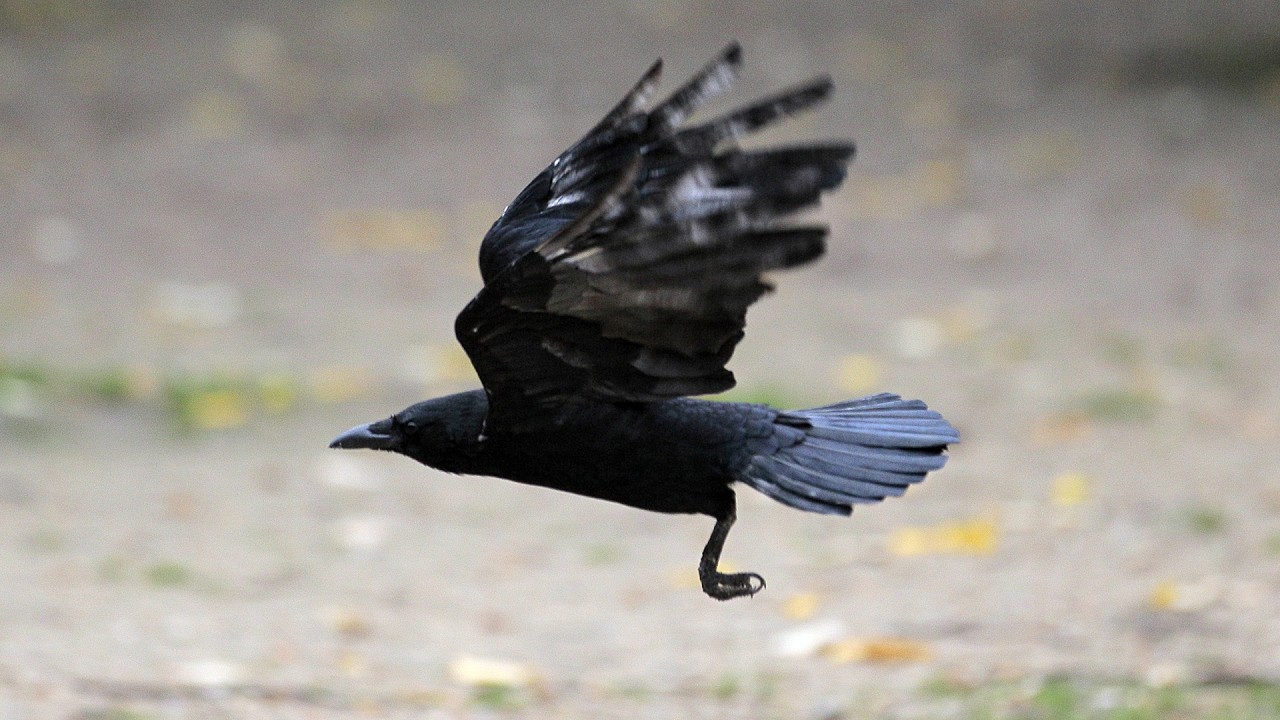
One example of this progress is research on crow vocalizations. Biologists who have spent decades studying crow calls have amassed a vast database of over 150,000 vocalizations. AI is now being used to categorize these calls and identify subtle differences that may carry distinct meanings. By correlating audio data with video footage of crow behavior, AI can detect patterns invisible to humans, potentially revealing the true nature of crow communication and social interactions.
The field is attracting significant funding from tech and private equity investors, including figures like Reid Hoffman and Lauren Powell Jobs. Many see this work as a redemptive use of technology that could deepen our understanding of animals’ inner lives—what motivates them and how they think—leading to better treatment of animals and the environment. However, there are concerns about how this technology might be used, with some fearing it could lead to exploitation or harm, such as using animal communication to trap or kill them.
Ethical considerations also include the potential invasion of animals’ privacy and the ecological impact of deploying extensive listening devices in natural habitats. While improved communication could help resolve human-wildlife conflicts and foster empathy, misuse or misinterpretation of animal signals could widen the gap between humans and certain animals, especially those bred for farming with limited behavioral repertoires.
Overall, AI-driven animal communication research holds promise but also raises complex questions about ethics, application, and impact. As this technology develops, it could revolutionize how humans relate to animals, but it requires careful stewardship to ensure it benefits both animals and ecosystems rather than causing unintended harm.