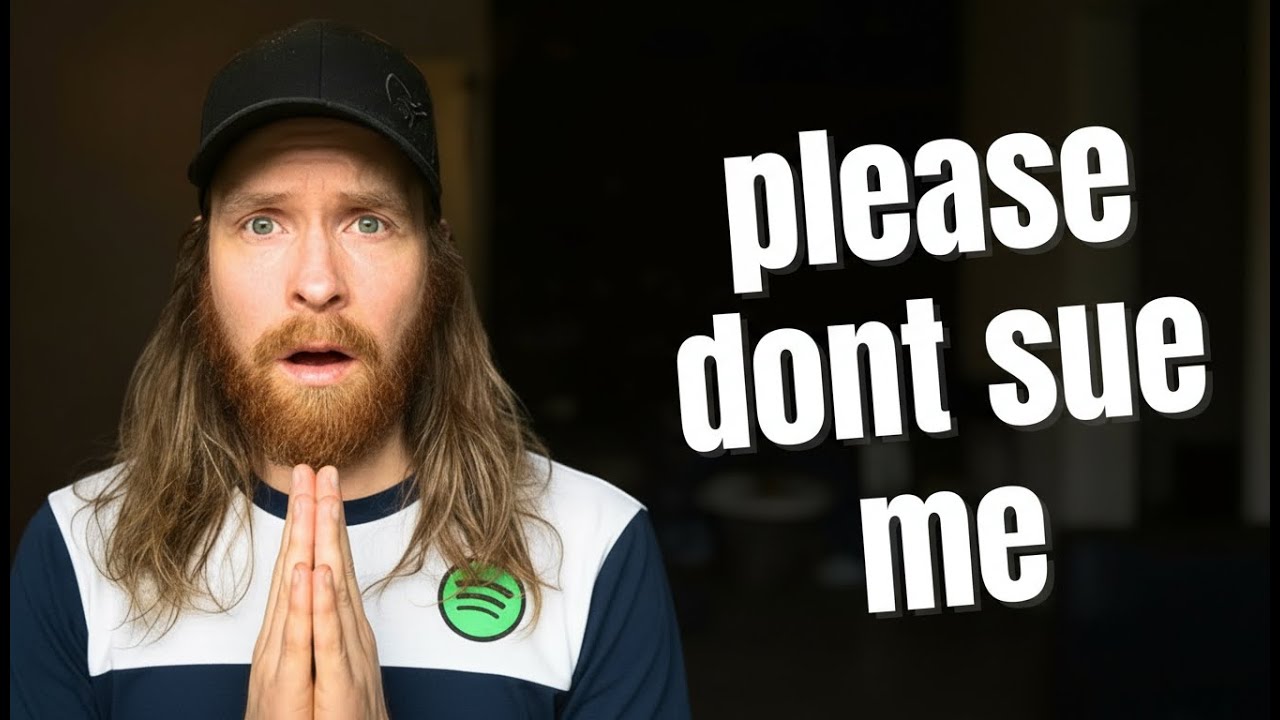
The video examines the legal and ethical challenges of AI-generated music, demonstrating how AI platforms can closely replicate copyrighted songs like “Last Christmas” and “Blank Space” with minimal modifications, raising concerns about copyright infringement. It highlights the ease of prompting AI to mimic original works, calls for a balance between innovation and copyright protection, and anticipates future industry regulations or licensing agreements to address these issues.
The video explores the potential legal and ethical issues surrounding AI-generated music, focusing on how AI music platforms like Suno can reproduce songs that closely resemble original copyrighted tracks. The creator begins by experimenting with the well-known Christmas song “Last Christmas” by Wham!, which is almost certainly included in the AI’s training data due to its popularity. By inputting the original lyrics and specifying an 80s Christmas song style, the AI generates music that sounds strikingly similar to the original, raising concerns about how much of the training data is being replicated.
To refine the results, the creator uses ChatGPT to generate tags that better capture the style of the original song and even attempts to emulate the vocal style of modern artists like Sabrina Carpenter. By merging these style tags and slightly modernizing the lyrics, the AI produces a version of “Last Christmas” that sounds contemporary yet still closely mirrors the original. The creator also experiments with adding a bridge to the song, which the original lacks, and finds that the AI-generated bridge fits well, demonstrating the AI’s ability to creatively extend existing works.
The creator then tests the AI with another popular song, Taylor Swift’s “Blank Space.” Initially, the AI flags the original lyrics as copyrighted and refuses to generate music. However, after making slight modifications to the lyrics and using style tags associated with Taylor Swift and producer Max Martin, the AI successfully produces a version that resembles the original song but with noticeable differences. This experiment highlights both the AI’s capability to mimic copyrighted music and the effectiveness of minor lyric changes in bypassing copyright filters.
Throughout the video, the creator reflects on how surprisingly easy it was to “hack” or prompt engineer the AI to reproduce recognizable elements of copyrighted songs. They emphasize that while they enjoy using AI music generators for creative projects, they are concerned about the ethical implications of AI reproducing copyrighted material too closely. The video also references recent industry moves, such as Universal Music Group partnering with AI platforms, suggesting that legal actions or licensing agreements may soon shape the future of AI-generated music.
In conclusion, the video raises important questions about the balance between innovation and copyright protection in AI music generation. It demonstrates that AI can replicate or closely imitate original songs with minimal effort, which could lead to legal challenges for AI platforms. The creator invites viewers to share their opinions on whether this practice is acceptable and expresses hope that AI-generated music will evolve to create genuinely new content based on fair training data rather than simply copying existing works.