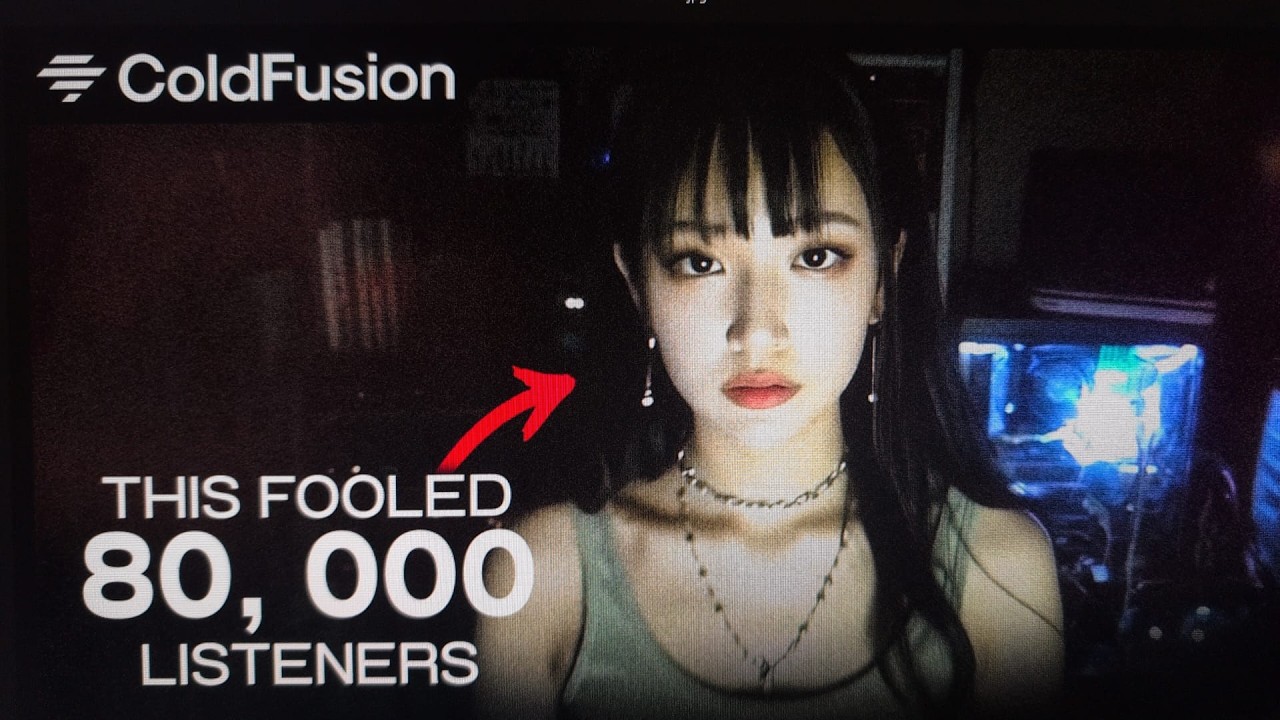
The video examines the rise of AI in the music industry through the story of Neon Oni, an AI-generated band that transitioned to live human performances, while also addressing broader ethical concerns like AI music theft and the flooding of streaming platforms with AI content. It further explores various global AI advancements, challenges such as privacy and legal issues, and inspiring applications like personalized cancer vaccines, highlighting both the transformative potential and complexities of AI integration in society.
The video explores the growing impact of AI in the music industry, highlighting a unique case where an AI-generated Japanese metal band called Neon Oni gained significant popularity on streaming platforms before fans suspected the band was entirely AI-created. After the revelation, the creator of Neon Oni responded by recruiting real musicians to perform the AI-generated songs live, effectively turning the virtual band into a real one. This marks a novel instance of AI music transitioning into human performance, a trend also seen with other AI artists preparing to hire human performers despite backlash.
The episode delves into the broader implications of AI in music, discussing concerns about AI-generated content flooding streaming platforms and the ethical issues surrounding AI music theft. For example, singer-songwriter Murphy Campbell had her music stolen and replicated by AI, which then claimed copyright over her original work, cutting her off from earnings. While some argue that AI music is just another form of cover or ghostwriting, others emphasize that music is fundamentally an expression of human emotion and experience, which AI can only mimic superficially.
Beyond music, the video covers a variety of recent AI and robotics developments worldwide. Highlights include Chinese robots breaking human marathon records, advances in AI video generation tools like Seed Dance 2, and the introduction of robotic monks and home-cleaning robots in Asia. The video also touches on the rise of AI-related scams and privacy concerns, promoting a service called Delete Me that helps protect personal data from being exploited by data brokers and scammers.
The video also addresses some of the challenges and controversies surrounding AI, such as wrongful arrests due to faulty facial recognition, AI-generated content overwhelming platforms, and backlash from gamers against AI filters altering game visuals. Additionally, it discusses the difficulties faced by AI companies like OpenAI in managing costs and legal issues, as well as legislative resistance to allowing AI to use copyrighted works. These stories illustrate the complex and often problematic integration of AI into various aspects of society.
Finally, the video shares an inspiring story of a man in Australia who used AI tools to collaborate with scientists to create a personalized cancer vaccine for his dog, demonstrating AI’s potential for positive real-world applications. The episode concludes by inviting viewers to reflect on the diverse impacts of AI, from creative arts to healthcare, and encourages discussion about the future role of AI in human endeavors. Overall, the video presents a balanced view of AI’s transformative power alongside its ethical and practical challenges.