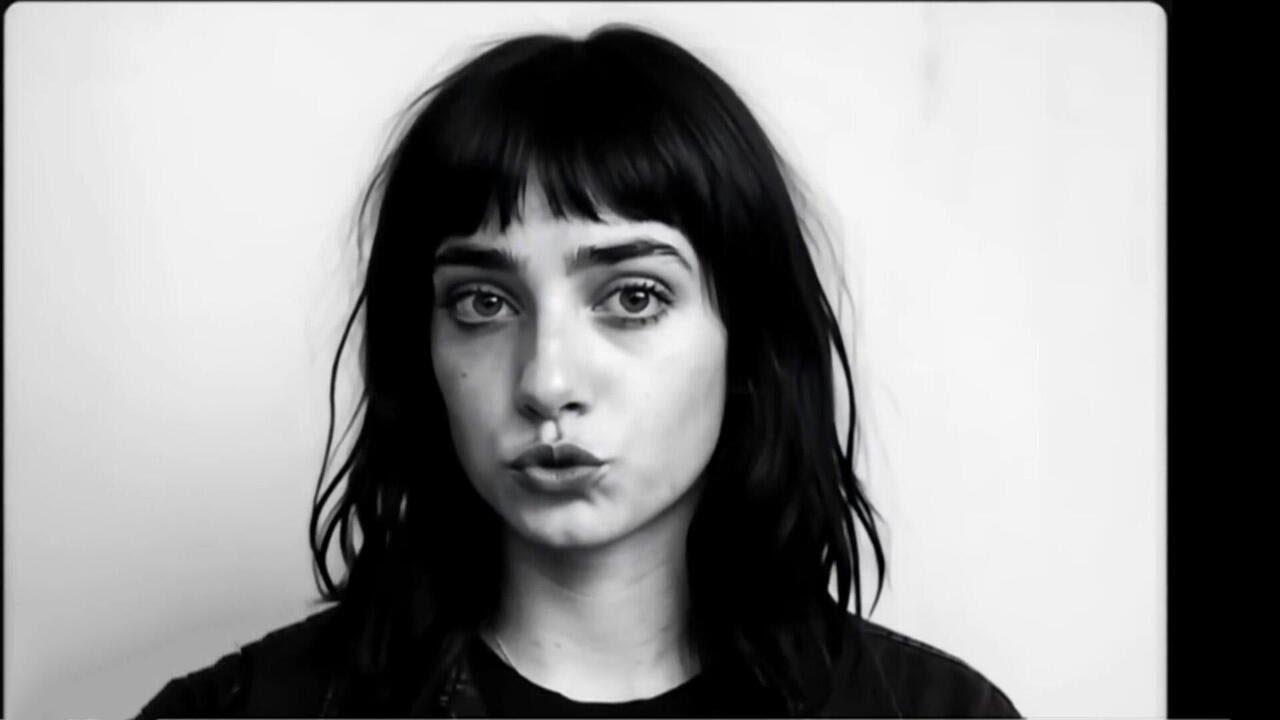
The video follows up on a story about Satie Winters, a fictitious AI-generated alternative/indie singer created using publicly available AI programs. Her debut song, “Walking Away,” was produced in just minutes, showcasing the rapid capabilities of AI in music creation. Despite being entirely artificial, Satie Winters has surprisingly gained a fan base, with her song even being played on radio stations and sparking discussions about AI’s growing influence in the music industry.
Rick Biato, a music educator involved in creating Satie, reflects on the phenomenon, noting that while AI can produce music quickly, the emotional connection fans have with human artists might be missing. He suggests that being a fan requires investment in time, money, and effort, which is harder to establish with an AI artist. However, the fact that people are already making music videos and engaging creatively with Satie Winters indicates that AI-generated artists are beginning to take on a life of their own.
Eric Hamilton, a digital analytics expert, demonstrates how he used AI tools to create a four-minute music video featuring Satie Winters, complete with emotional expressions and singing. This video took about four hours to produce, highlighting how accessible and powerful AI tools have become for creative expression. Despite the originality AI artists may seem to have, their work is essentially a remix of existing human music, raising questions about the nature of creativity and whether music is purely mathematical or has a soulful essence.
The video also addresses legal and ethical concerns surrounding AI-generated music, particularly regarding ownership and copyright. Since AI-generated content is not currently copyrightable, there is uncertainty about who owns the rights to AI-created songs and personas like Satie Winters. Experts have testified before Congress, urging the need for clear regulations and agreements between AI companies and music publishers to navigate this emerging landscape.
Ultimately, the story highlights AI’s potential to democratize music creation, allowing people without traditional musical talent to become musicians through AI tools. While this technological advancement opens exciting creative possibilities, it also presents challenges and uncertainties about the future of the music industry. The hope expressed is that society can successfully bridge the gap between human artistry and AI innovation without losing the essence of what makes music meaningful.