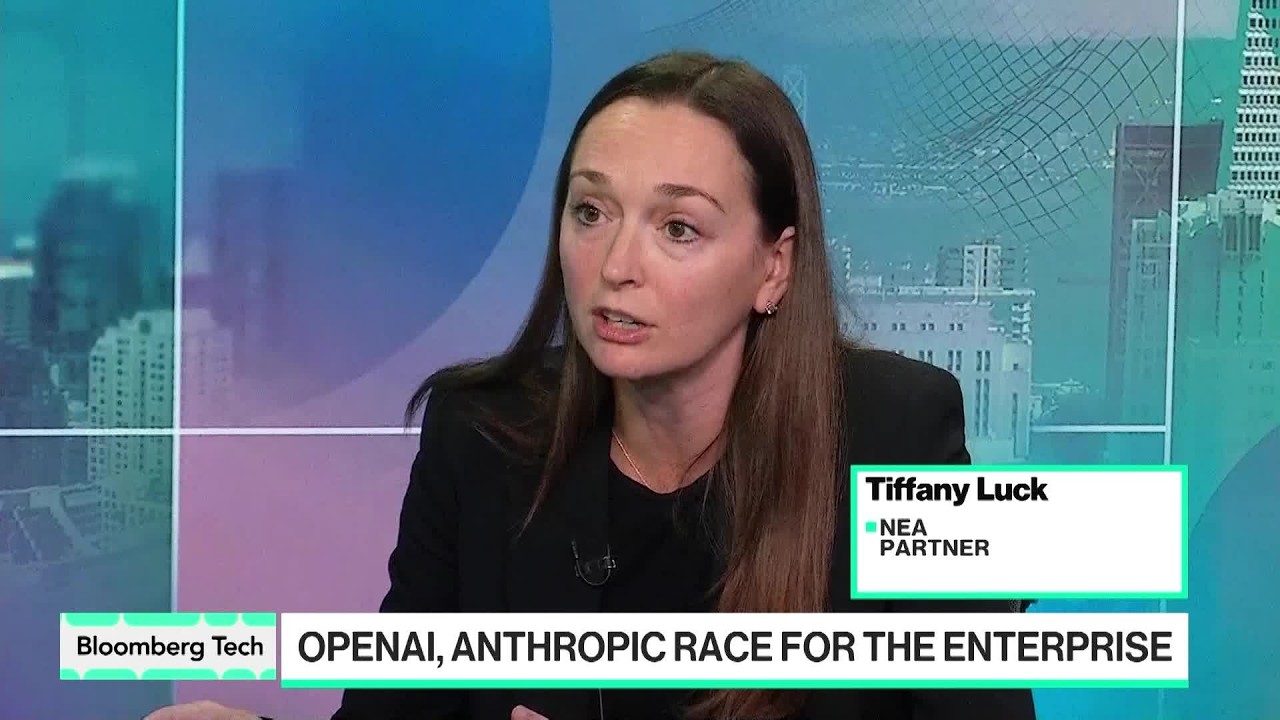
The discussion highlights that while AI technology has advanced significantly, widespread adoption depends on factors like trust, regulation, and enterprise control over AI intelligence, presenting substantial market opportunities as companies move from raw intelligence to practical applications. It also emphasizes investment in applied AI, unique models, and physical AI innovations, reflecting a comprehensive approach to developing and deploying AI across industries.
The discussion begins by highlighting the distinction between technological advancement at the frontier and the actual adoption of that technology in the real world. Using Waymo as an example, the speaker explains that while the technology for autonomous vehicles was ready early on, widespread adoption required building trust, navigating regulations, and scaling production. This illustrates that even when technology is mature, factors like consumer confidence and regulatory approval play crucial roles in determining the pace of adoption.
The speaker emphasizes that although AI intelligence has made significant breakthroughs, adoption—both in enterprise and consumer sectors—still has a long way to go. Many companies are still figuring out how to effectively utilize AI and IoT, which suggests a large market opportunity ahead. The conversation points out that early adoption rates might be low, but the potential for growth is substantial, especially as AI moves from raw intelligence to delivering tangible outcomes and return on investment (ROI) in real-world applications.
A key trend discussed is the importance of enterprises owning their own AI intelligence. This means companies want greater control over their data, models, and workflows to maintain competitive advantages and protect their “moats.” Owning intelligence also relates to performance and cost benefits, as enterprises can handle routine tasks with their own models rather than relying entirely on frontier models, reducing expenses and improving efficiency. The emergence of open-weight models like Reflection supports this trend by enabling more organizations to develop and control their AI capabilities.
Investment strategies reflect these insights, with a focus on applied AI—translating raw intelligence into practical deployments through forward-deployed engineers who work closely with customers to tailor AI solutions. The speaker also mentions investments in unique AI models, tooling, data infrastructure, and semiconductors, covering the broad AI ecosystem. This comprehensive approach aims to support both the development of foundational AI technologies and their effective application across industries.
Finally, the conversation touches on the exciting frontier of physical AI, which extends AI capabilities beyond text and digital modalities into the physical world. This includes advancements in world models and physical intelligence, signaling a new wave of innovation. The mention of industry leaders like Lisa Su and Feifei Li underscores the growing interest and strategic moves by major companies to engage with this evolving landscape, highlighting the dynamic and multifaceted nature of AI development and adoption.
Useful Links