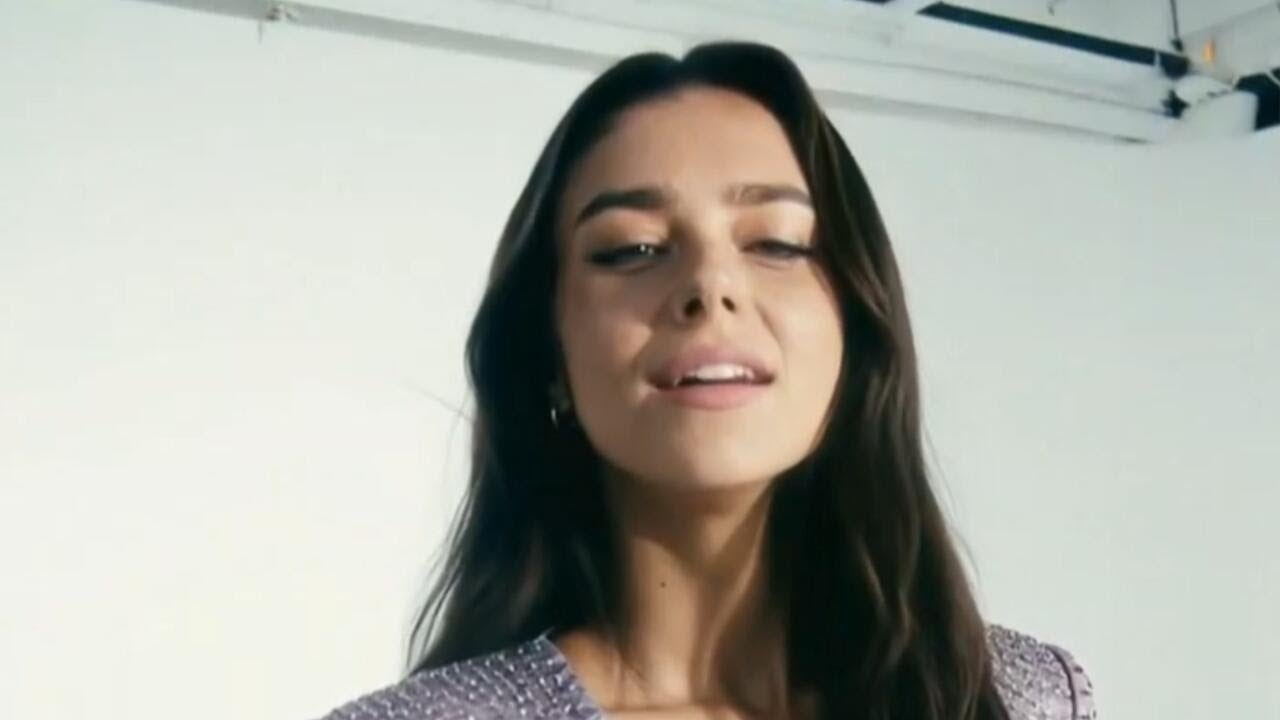
A new AI-generated performer named Tilly Norwood has made her debut in Hollywood, sparking widespread discussion about the future of entertainment. Tilly, created by the company Particle 6, is not a real person but a digital character designed entirely by artificial intelligence. Her first music video directly addresses critics, positioning AI not as a threat but as an inevitable part of the industry’s future. The video’s realism has surprised many, blurring the line between human and synthetic performers.
The rise of AI performers like Tilly comes at a time when Hollywood unions are preparing for contract negotiations to protect human actors from being replaced by digital counterparts. There are growing concerns about legal protections, copyright infringement, and the broader implications for working artists. Industry leaders, such as Netflix’s co-CEO Ted Sarandos, argue that AI will expand creative possibilities rather than eliminate human jobs, enabling new forms of storytelling that were previously impossible.
Despite these assurances, there is skepticism within the industry. Some, like the president of the actors’ union, believe that calling Tilly an “actress” is misleading, preferring terms like “avatar” or “character.” Critics argue that AI-generated content, while technologically impressive, may lack the emotional depth and authenticity that comes from human experience. Elaine Low, a staff writer at The Ankler, suggests that Tilly’s music video demonstrates both the capabilities and limitations of AI, noting that technology alone does not guarantee artistic excellence.
Tilly Norwood’s creators emphasize that she is a collaborative project, not a replacement for human artists. In fact, it reportedly took 18 people to produce her music video, highlighting the ongoing need for human creativity and technical expertise. Meanwhile, the Writers Guild is pushing for studios to compensate writers when their scripts are used to train AI, making this a central issue in upcoming union negotiations.
The discussion concludes with a broader reflection on the future of entertainment. While some believe AI will never fully replace the unique artistry of human performers, others predict that the rise of synthetic content will increase the value of live events and performances featuring real actors. As AI becomes more prevalent, audiences may gravitate toward experiences that showcase genuine human emotion and creativity, ensuring that traditional forms of art remain relevant alongside technological innovation.