The discussion begins with an evaluation of the Kimi K3 AI model, which the interviewee praises for its excellence and plans to integrate into their products. They highlight the rapid advancement of AI models, noting the narrowing gap between open-source and closed-source technologies. Open-source models are particularly valuable for enterprises seeking on-premise deployment to maintain data privacy. The interviewee emphasizes the importance of leveraging these increasingly intelligent models for significant, impactful tasks rather than simple applications.
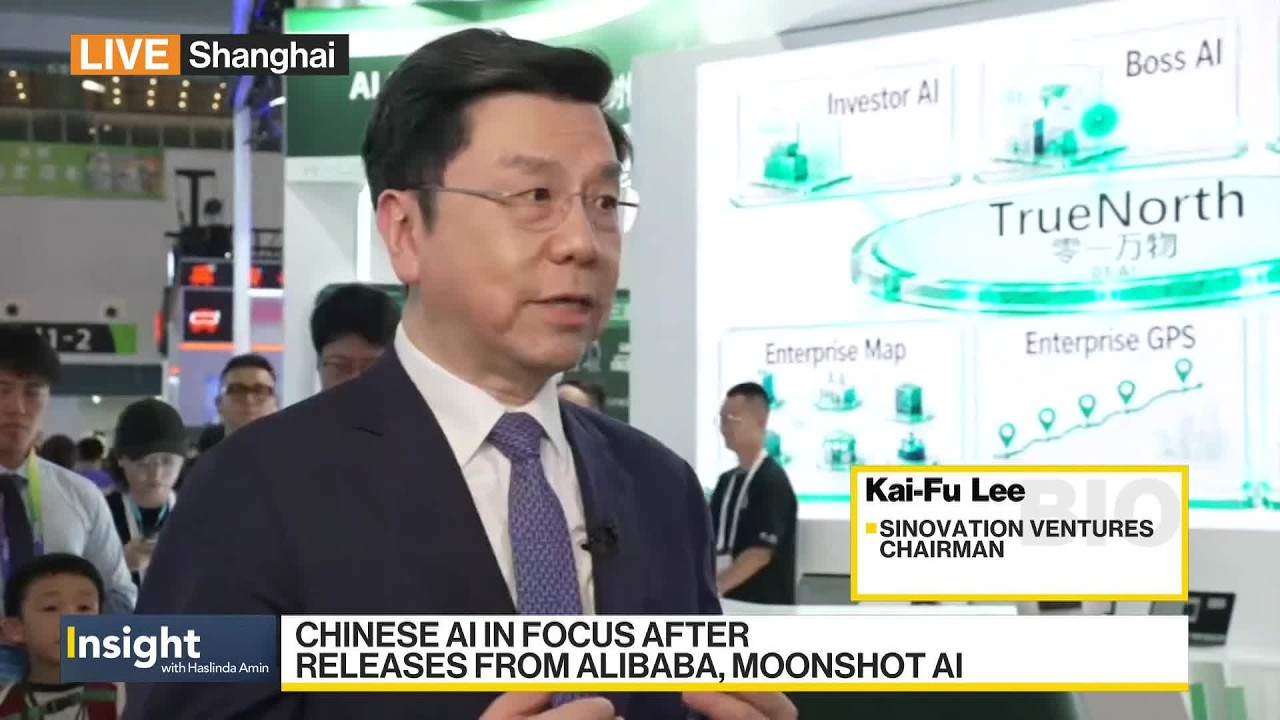
Regarding their own foundational model, the e series, the company has shifted focus from developing proprietary models to building applications on top of the best available AI models. Their flagship product, BOSS AI, is designed to empower CEOs with comprehensive data insights to make strategic decisions that improve company financials. This pivot has allowed the company to reduce expenses and move closer to profitability, with bookings having increased three to four times over the past year. The product’s practical utility is underscored by the interviewee’s personal use and its role in driving business growth.
The company is experiencing strong demand globally, serving enterprises across Asia, South America, and the Middle East. However, their growth is somewhat constrained by the challenge of recruiting qualified multilingual consultants and employees to support international operations. Despite this, they anticipate substantial growth in license revenue and subscriptions, projecting triple-digit percentage increases in the coming years. The interviewee also addresses concerns about potential government restrictions on foreign AI models in China, affirming their commitment to legal compliance and support for models from any country.
On the topic of hardware constraints, particularly GPU shortages due to export controls, the interviewee argues that these measures have largely failed to limit China’s access to advanced technology. They attribute any shortages more to market dynamics and supply limitations rather than export restrictions. Comparing the AI ecosystems of the US and China, they foresee the US leading in profitable enterprise applications and revenue, while China will dominate market share through open-source distribution and on-premise deployments. The interviewee also highlights China’s strengths in hardware manufacturing and consumer AI innovation.
Finally, the interviewee discusses their company’s competitive positioning against firms like Palantir, noting that while both offer advanced AI transformation products, their market focuses differ significantly. Palantir concentrates on defense and Western markets, whereas the interviewee’s company targets Asia and Belt and Road countries, benefiting from a first-mover advantage. They express optimism about China’s AI future, citing strong government support, high consumer enthusiasm, and a robust enterprise environment. Despite some challenges with enterprise willingness to pay, they believe China is poised to secure a leading global position in AI development.