The market experienced a significant correction on Friday, described as relatively extreme price action. However, the following days have shown signs of recovery and positivity, particularly in leveraged markets like Korea. This pullback is viewed as a healthy correction rather than a negative shift, with underlying earnings momentum remaining strong despite high earnings expectations. While there are challenges ahead, such as earnings reports from major companies like Broadcom and Oracle, the overall sentiment remains cautiously optimistic.
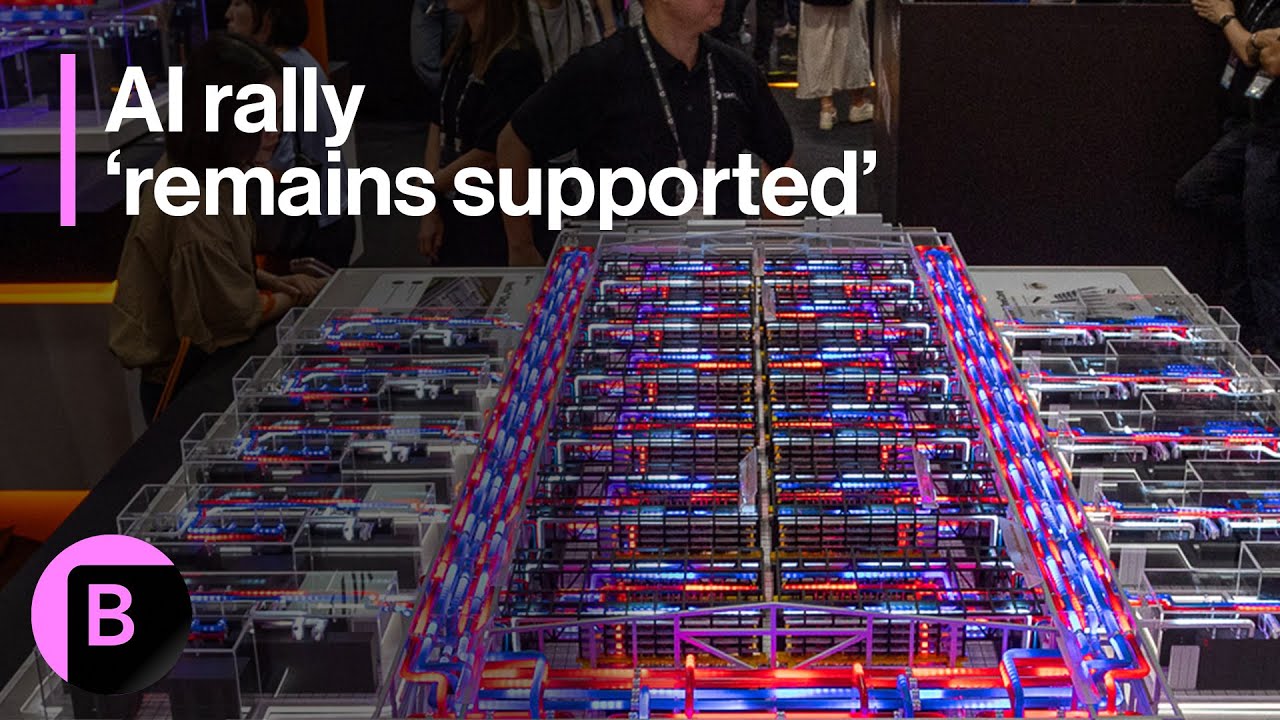
A key driver of market interest is the ongoing AI rally, which continues to attract substantial capital. The introduction of major IPOs and developments in AI, including OpenAI, have been met with confidence in the capital markets. Although there are concerns about the cost efficiency of AI operations in the US compared to China, the medium-term outlook for AI-related stocks remains positive. The potential pivot of AI investments towards China could pose risks to profitability for large US hyperscalers, but this dynamic is still unfolding.
Interest rate policies remain a significant factor influencing market movements. The Federal Reserve is expected to hike rates three times by the end of the year, while the European Central Bank (ECB) is also anticipated to take action. However, the focus is more on the messaging and future guidance from these central banks rather than the hikes themselves. The ECB’s approach, particularly its commitment to fighting inflation, will be closely watched, with parallels drawn to past tightening cycles that eventually required policy reversals.
Economic indicators present a mixed picture, with weak data from Germany’s manufacturing sector contrasting with more positive growth signals from the US. Inflation concerns persist, but there are signs of easing tensions in key areas such as the Strait of Hormuz, which impacts oil prices. The US dollar’s trajectory may be influenced by these factors, potentially tilting lower as growth narratives diverge between the US and Europe.
Geopolitical risks, particularly involving Iran and the Strait of Hormuz, remain a concern but have not yet caused significant market disruptions. Oil prices have fluctuated intraday but have generally held below critical levels, partly due to the US’s reluctance to escalate conflicts. Analysts suggest that unless there is a major escalation, the impact on markets and inventories will likely be limited in the near term, allowing central banks and investors to maintain a relatively stable outlook.