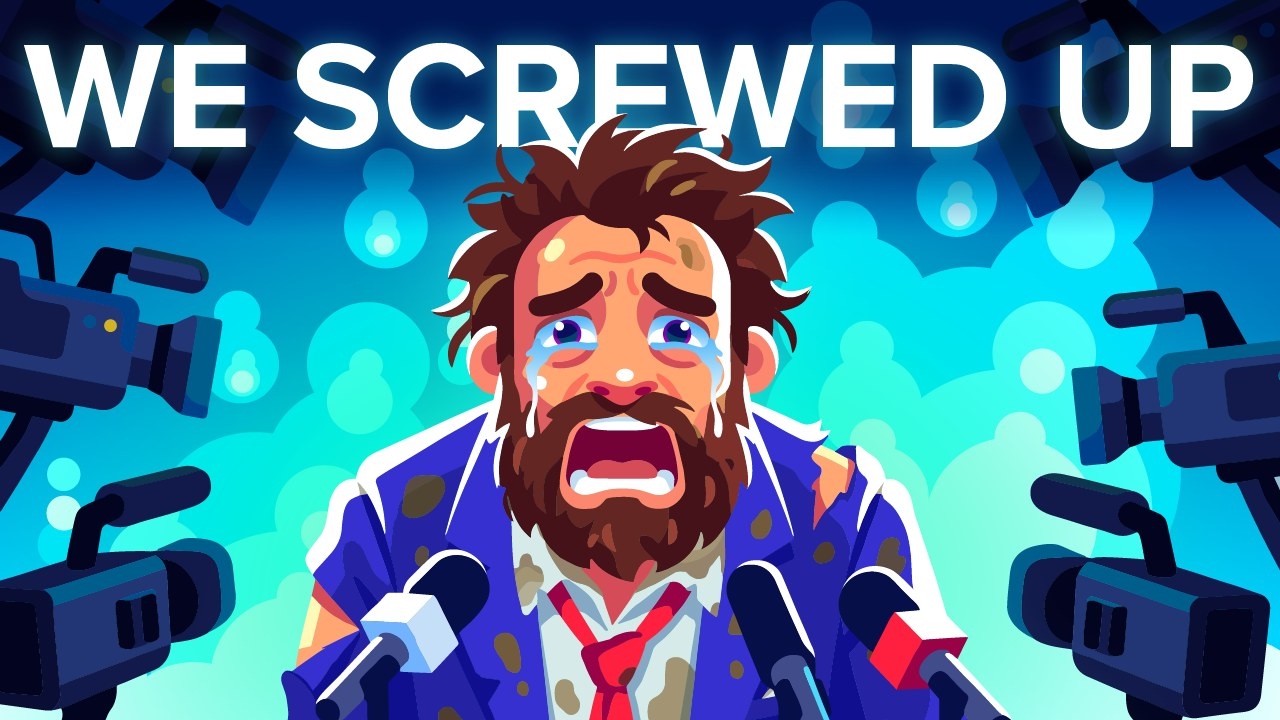
The promise that AI would revolutionize software development by replacing developers and dramatically increasing productivity has largely failed to materialize. While AI can generate code faster—up to 10 times the rate of traditional coding—this speed comes at a cost. The quality of AI-generated code is poor, with code churn rates doubling since AI adoption began, meaning much more code needs to be rewritten or discarded. Additionally, nearly half of AI-generated code contains security vulnerabilities, leading to increased maintenance, review times, and costs. Instead of accelerating product delivery, AI has shifted bottlenecks further down the development pipeline, creating more work for human developers to fix and secure buggy code.
This surge in problematic AI code has led to a restructuring of the software development workforce. Companies have laid off many junior developers, who traditionally handled routine coding and testing tasks, in favor of AI tools that are cheaper but less reliable. However, this has created a growing demand for senior developers who can identify and fix the complex bugs introduced by AI. The industry’s traditional pyramid structure—with many juniors at the base progressing to senior roles—is now inverted into a diamond shape, with fewer juniors and a disproportionate number of senior engineers. This shift threatens the future talent pipeline, as fewer juniors are gaining the experience needed to become senior developers, potentially leading to a severe shortage in the coming years.
Behind the scenes, Big Tech companies have heavily invested in AI infrastructure by taking on massive off-balance-sheet debt, totaling around $1.65 trillion. This debt, largely hidden from investors, includes long-term leases and hardware purchase commitments that must be serviced regardless of revenue performance. The rise in interest rates has made this debt far more expensive to manage, putting enormous financial pressure on these companies. Despite this, they continue to pour resources into AI development, hoping for a breakthrough that will justify the investment. However, the current lack of returns and mounting costs have forced widespread layoffs and cost-cutting measures, often framed publicly as “AI efficiency” moves to maintain investor confidence.
The narrative of “AI efficiency” has become a powerful PR tool for companies to justify layoffs and austerity, even when the underlying reality is financial strain and operational challenges. Investors respond positively to announcements linking job cuts to AI, boosting stock prices, while layoffs attributed to other reasons often lead to stock declines. This phenomenon, dubbed “AI washing,” incentivizes CEOs to frame cost-cutting as part of an AI transformation, regardless of the true motivations. However, this spin masks deeper issues, including the hidden debt burden, the poor quality of AI-generated code, and the erosion of the developer workforce, particularly at the junior level.
Looking ahead, the future of AI in software development is uncertain. Optimistic scenarios envision AI evolving to reliably handle complex system architecture and self-healing code, dramatically boosting productivity and economic growth. However, there is a significant risk of a severe downturn akin to the dot-com crash, triggered by debt defaults and a collapsing AI bubble. The most likely outcome is a prolonged period of adjustment, with a permanently altered industry structure, higher costs, and a broken talent pipeline. For junior developers and the broader tech sector, the current “AI efficiency” narrative is less a sign of progress and more a warning of profound economic and structural challenges ahead.
Useful Links