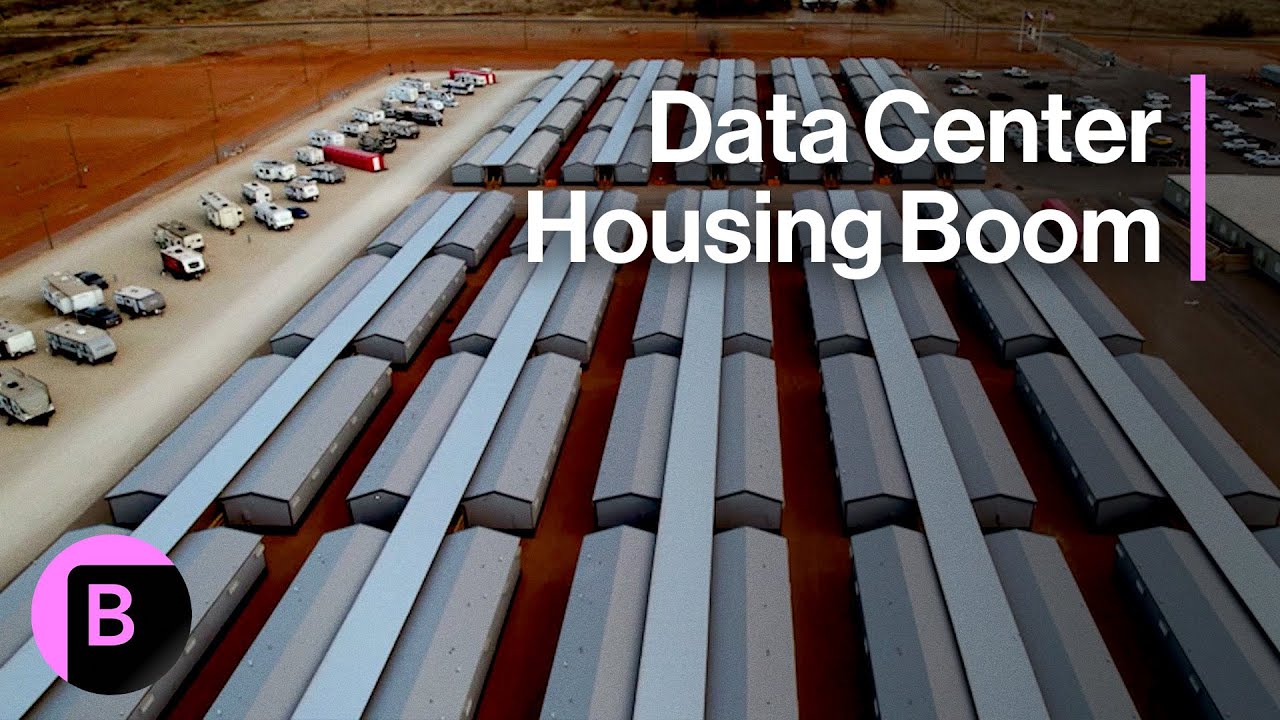
The video highlights how the AI boom is driving a surge in data center construction in rural areas, creating a hidden “housing boom” for temporary workers and straining local infrastructure. While this brings economic benefits and job growth, it also causes disruptions and concerns among residents about quality of life and the long-term impact on their communities.
The video explores the lesser-known side of the artificial intelligence (AI) boom: the massive physical infrastructure required to support AI systems, particularly the construction of data centers. As demand for AI grows, companies are building data centers far from traditional tech hubs like Silicon Valley, often in rural areas of Texas and Louisiana where land is cheaper and local governments are more accommodating regarding power and zoning requirements. This shift is driven in part by pushback from city residents concerned about property values and quality of life near new data centers.
A significant challenge in this expansion is the shortage of construction workers, exacerbated by immigration restrictions and the remote locations of these projects. To attract workers to these isolated sites, companies and mancamp manufacturers offer amenities such as golf simulators, fresh steaks, gyms, and high-quality communal dining. These perks are necessary to compete for labor, as workers are often required to spend long hours in demanding conditions, far from home for weeks or months at a time.
The influx of workers strains local infrastructure in rural communities. Hotels and RV parks quickly fill up, grocery stores and gas stations experience long lines, and narrow county roads deteriorate under the weight of heavy construction traffic. Temporary housing solutions range from small, local operations renting out RV spaces to large corporations specializing in worker accommodations, often featuring rows of gray-roofed units with private bathrooms, Wi-Fi, and shared dining facilities.
Employment opportunities in construction are expected to grow significantly, with the Bureau of Labor Statistics projecting a 6% increase in construction jobs and a 9% rise in electrician roles between 2024 and 2034. Many of these positions are filled by veterans accustomed to being away from family and working in challenging environments. While the influx of workers boosts local tax bases and brings donations to schools, it also causes frustration among residents unaccustomed to the sudden changes in traffic, wait times, and overall quality of life.
Despite the economic benefits, some locals worry that temporary worker camps could attract crime or drug use, recalling issues from previous oil and gas booms. Local officials acknowledge these concerns but emphasize that the camps are temporary and will be dismantled once construction is complete. While a few permanent jobs may remain to maintain the data centers, most of the workforce—and the disruptions they bring—will move on, leaving behind both improved infrastructure and lingering questions about the long-term impact on rural communities.