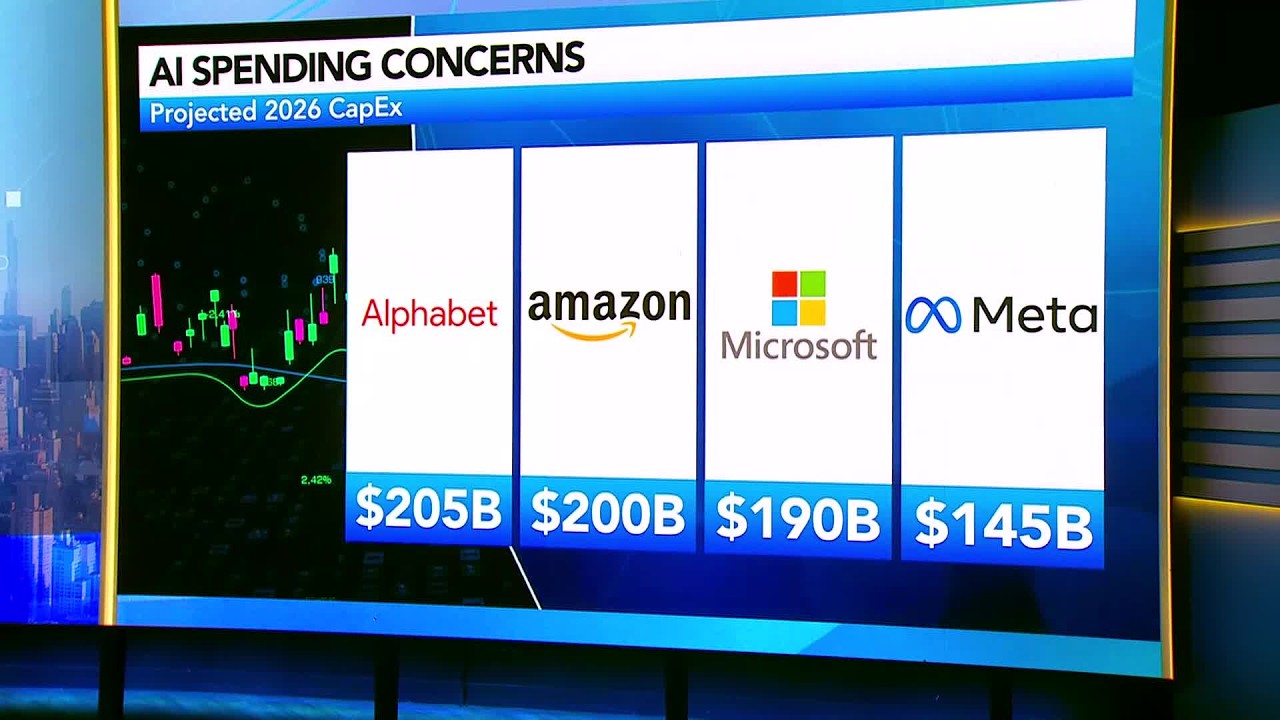
Gil Luria of DA Davidson remains optimistic about Microsoft ahead of its upcoming earnings report, describing it as the most important report of the entire earnings season. The key focus is on Microsoft’s capital expenditure (CapEx) guidance for fiscal year 2027, which will provide a clear indication of the company’s investment pace and, by extension, the broader market direction. Since this report covers a full fiscal year, investors will gain valuable insight into how quickly Microsoft plans to grow its infrastructure, particularly in relation to its Azure cloud platform.
Microsoft’s CapEx decisions are especially significant because the company has acted as a cautious steward of spending in recent years. About a year and a half ago, when concerns about the AI market arose, Microsoft notably scaled back its CapEx. Investors are now watching closely to see if Microsoft will maintain this disciplined approach or increase spending aggressively. The market is particularly sensitive to this because Microsoft is seen as more likely to adjust its CapEx than other tech giants like Google, Amazon, or Meta, making its guidance a bellwether for the AI investment trend.
Regarding investment strategies, Luria suggests that as CapEx inevitably rises, some investors might find better opportunities in the bond and credit markets rather than equities. The bonds of major tech companies such as Microsoft, Amazon, and Google are trading at discounts, presenting a relatively safe investment given these companies’ strong creditworthiness. These firms have the flexibility to drastically reduce CapEx if needed, which would boost their cash flows and make their debt even more secure, akin to a reliable global tax revenue stream.
The discussion also touches on the semiconductor industry, noting some market dislocations and competitive pressures in chip manufacturing. While this might offer some operational leverage to big tech companies, Luria points out that these firms are unlikely to source chips from China due to geopolitical and supply chain concerns. Consequently, semiconductor companies like NVIDIA, Broadcom, and Micron are expected to maintain high gross margins, supported by ongoing data center expansion, despite attempts by tech giants to negotiate better terms.
In summary, Microsoft’s upcoming earnings and CapEx guidance are pivotal for understanding the trajectory of AI investments and the broader tech market. The company’s historical prudence in spending and its potential to influence market sentiment make this report highly anticipated. Meanwhile, the credit markets may offer attractive alternatives for investors wary of equity volatility, and semiconductor firms remain well-positioned amid evolving supply chain dynamics.