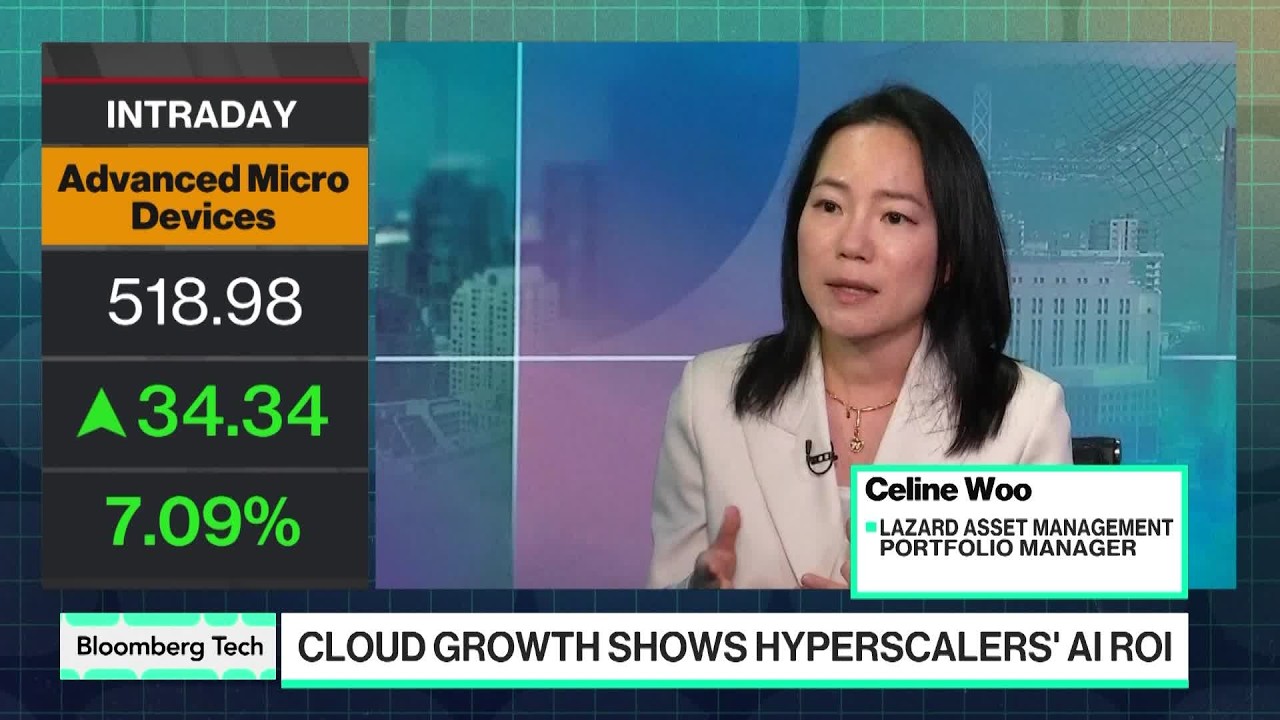
The video discusses the ongoing justification and growth of AI-related spending, highlighting that companies like AMD are set to benefit significantly. The earnings reports from major hyperscalers have demonstrated strong demand for hardware and semiconductors, with supply struggling to keep pace. This demand is particularly driven by CPUs that support inference workloads, which are becoming the primary growth driver over training workloads. The shift towards inference is evident across major players such as Amazon, Google, and Microsoft, all of whom have shown impressive growth rates, validating continued investment in AI infrastructure.
The conversation emphasizes that the hyperscalers—Amazon, Microsoft, and Google—have delivered exceptional earnings results, surpassing expectations and showcasing robust growth. Microsoft and Amazon, in particular, stood out for their performance. This strong financial showing supports the notion that substantial upfront spending in AI infrastructure is necessary and will eventually translate into tangible business benefits. The extended customer backlog and visibility into demand further reinforce the rationale for sustained investment in AI technologies.
A key theme is the persistent imbalance between demand and supply in the AI ecosystem, encompassing cloud capacity, chip availability, and overall compute resources. While this imbalance is positive as it drives growth, it requires careful coordination across the supply chain to ensure that demand can be met without bottlenecks. The supply chain’s ability to respond effectively to this demand is crucial to maintaining momentum in AI adoption and preventing any slowdown in cloud capacity expansion.
The discussion also highlights the significance of long-term agreements (LTAs) in the memory sector, which are unusual compared to historical norms. These multi-year deals signal strong, extended visibility into customer demand and represent a proactive approach to balancing supply and demand. Such agreements underscore the unprecedented nature of the current growth cycle in AI, reflecting confidence from both suppliers and customers in sustained expansion over the coming years.
Finally, the video points to TSMC, the world’s largest semiconductor foundry, as a bellwether for the industry’s outlook. TSMC’s recent commitment to an additional $100 billion in capital expenditure, particularly in the US and in partnership with hyperscalers, demonstrates that these investments are based on clear, long-term demand visibility rather than speculation. This large-scale spending commitment across the supply chain—from foundries to memory manufacturers—illustrates the coordinated effort to meet the growing needs of AI workloads and supports the optimistic outlook for continued AI-driven growth.