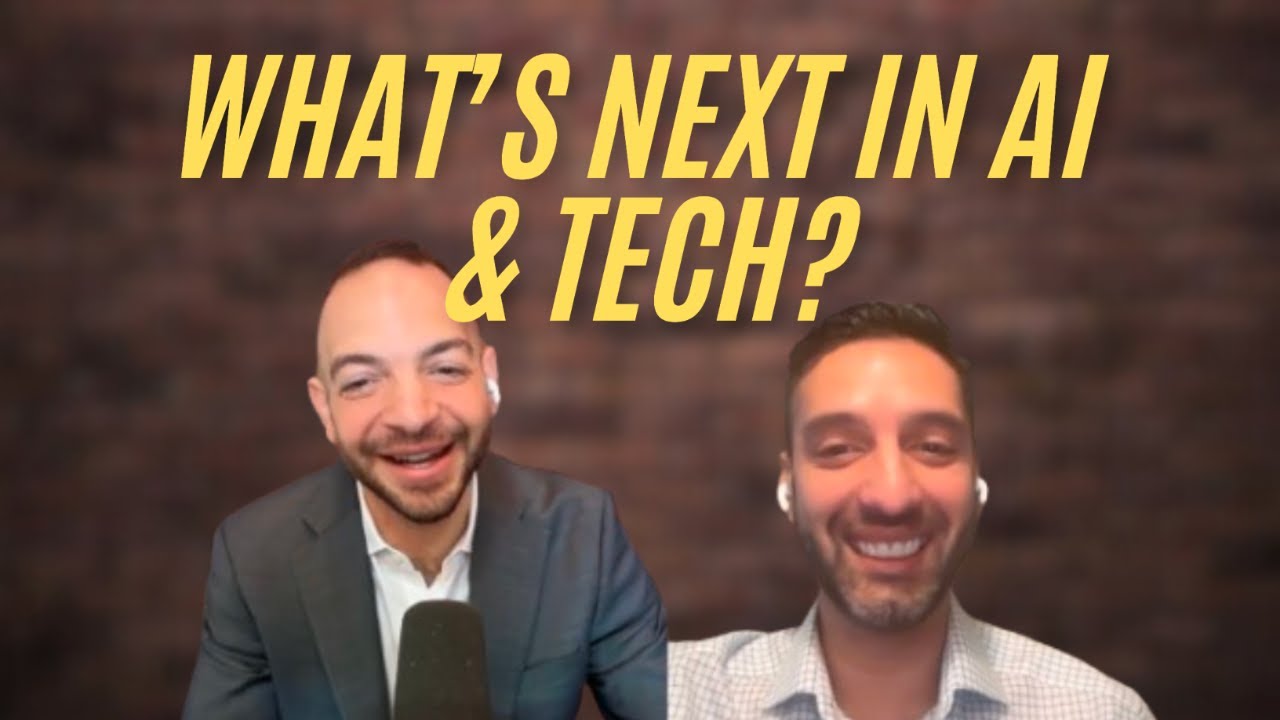
In this special holiday episode of the Big Technology Podcast, hosts Alex Kantrowitz and Ronjon Roy share their predictions for the tech and AI landscape in 2026. They kick off by discussing the rise of “agentic AI,” which refers to AI systems capable of autonomously stringing together complex workflows and actions across various aspects of daily life, not just within enterprises. The hosts believe that by 2026, these agentic workflows will become mainstream, allowing people to delegate more tasks to AI, such as booking travel or managing errands, with minimal human intervention.
One of the safest predictions made is that ChatGPT will reach one billion users, potentially as early as April 2026. This milestone would mark a significant moment for AI adoption, placing ChatGPT among a select group of products with such a vast user base. The hosts also anticipate that foldable phones will finally have their breakthrough, with one of them committing to purchasing a foldable device. They speculate that Apple will release its own foldable phone, likely priced at $2,000 or more, and predict that 2026 will be Apple’s best year ever, driven by strong hardware sales and a lack of serious competition from standalone AI devices.
The conversation then shifts to the societal implications of AI, particularly around privacy and recording. The hosts foresee major scandals and public discomfort arising from the proliferation of devices capable of discreetly recording or transcribing conversations, such as Meta’s Ray-Ban smart glasses. This backlash could influence the development and adoption of future AI hardware. Despite the hype, they predict there will be no breakout AI device in 2026, with smartphones remaining the dominant personal tech platform.
Another key trend discussed is the rise of AI-driven shopping. The hosts expect that by 2026, consumers will increasingly use AI chatbots to handle shopping tasks, from finding the best prices to placing orders and tracking deliveries. This shift could benefit companies like Amazon and Google, as AI becomes more integrated into everyday commerce. Additionally, they predict an “AI love boom,” where people form deep emotional bonds with AI companions. As AI becomes more personalized and capable, it may become socially acceptable—even common—for people to consider AI among their closest friends or even romantic partners.
Finally, the hosts predict that 2026 will be both the best and worst year for AI. While AI adoption and breakthroughs will accelerate, the financial infrastructure supporting the AI boom—particularly among companies that are not AI-native—may face significant challenges, leading to market corrections. They also discuss the possibility of increased competition for OpenAI, with Google’s Gemini and Meta making strides in both enterprise and consumer AI. Despite speculation about IPOs for major AI companies, they do not expect OpenAI to go public in 2026. The episode closes with reflections on the unpredictable, fast-moving nature of the tech industry and the hosts’ excitement for future discussions.