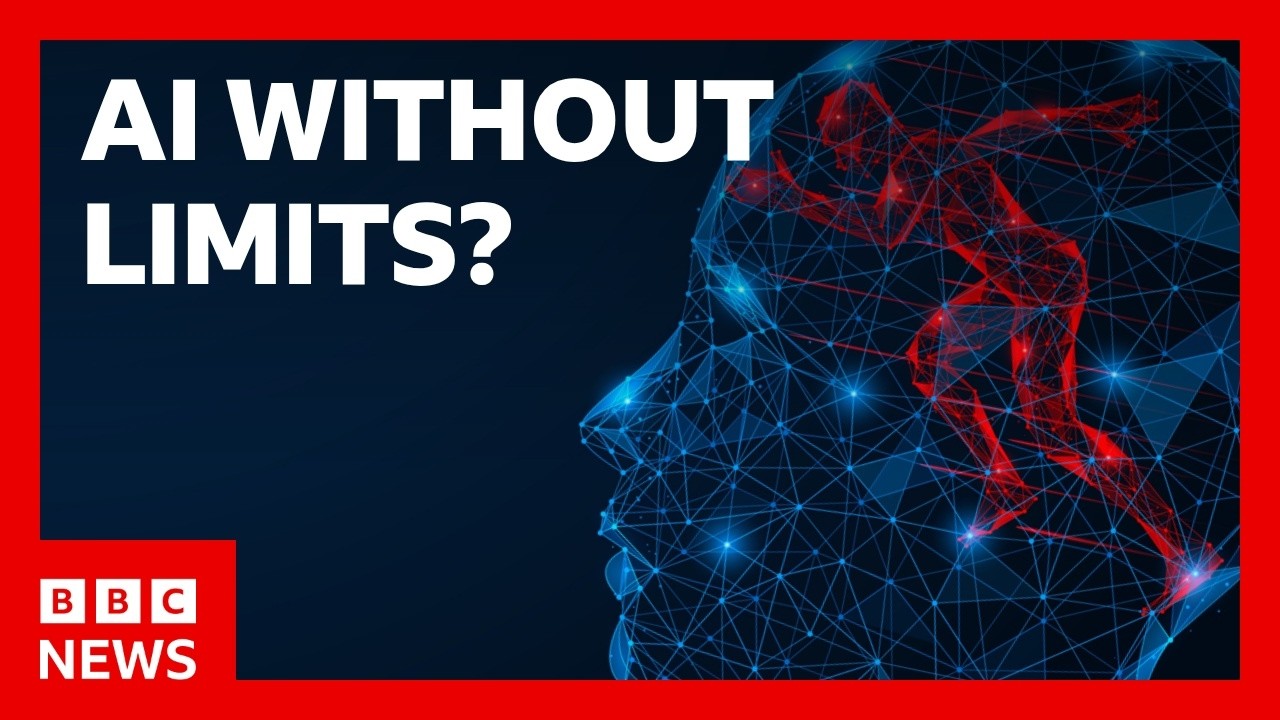
The video explores the concept of building AI systems capable of self-improvement and autonomous scientific discovery, focusing on the work of Richard Socher, co-founder and CEO of Recursive. Socher discusses his project, the Eureka Machine, which integrates world knowledge, scientific data, simulations, and robotic process automation to create a community of AI agents that ideate, implement, and validate scientific ideas. This system aims to accelerate research, particularly in biology and medicine, by automating tedious lab tasks and potentially discovering cures for diseases like cancer within the next decade.
Socher emphasizes that while the idea of AI improving itself raises concerns about runaway intelligence, these fears are often exaggerated. He explains that AI systems operate within defined parameters and reward functions set by humans, meaning they will focus on tasks aligned with their goals, such as scientific research, rather than harmful activities like hacking. He also highlights practical limitations, such as supply chain dependencies, that prevent unchecked AI proliferation. Socher advocates for regulating AI applications rather than abstract intelligence itself, suggesting that existing regulatory bodies could oversee AI developments to ensure safety and accountability.
The discussion also touches on the potential use of AI to simulate complex social and economic policies through virtual citizens, allowing policymakers to test outcomes before implementation. Socher shares experiences with AI-driven economic models and weather prediction systems, illustrating AI’s capacity to enhance decision-making and forecasting. However, not everyone shares this optimistic view. Historian Rutger Bregman warns of the dangers of AI rapidly improving itself beyond human control and calls for government bans on AI that builds AI, reflecting broader societal anxieties about the technology’s trajectory.
Concerns about AI ethics and governance are central to the conversation. Socher acknowledges the importance of trust and legal frameworks to prevent misuse, citing recent lawsuits related to AI applications. He argues that completely preventing recursive self-improvement would require extreme surveillance measures, which are neither feasible nor desirable. Instead, he stresses the need for transparent oversight and certification processes, similar to those in industries like automotive and pharmaceuticals, to manage AI’s integration into society responsibly.
In conclusion, Socher remains hopeful about AI’s potential to usher in a scientific renaissance, comparing current fears to historical resistance against transformative technologies like electricity. He believes that as AI becomes more accessible and beneficial—serving as personal assistants, educational tools, and healthcare aids—public apprehension will diminish. The Eureka Machine is already producing notable inventions and is open source, inviting broader experimentation and collaboration. The video invites viewers to engage with these debates, highlighting the complex balance between innovation, risk, and regulation in the evolving AI landscape.
Useful Links