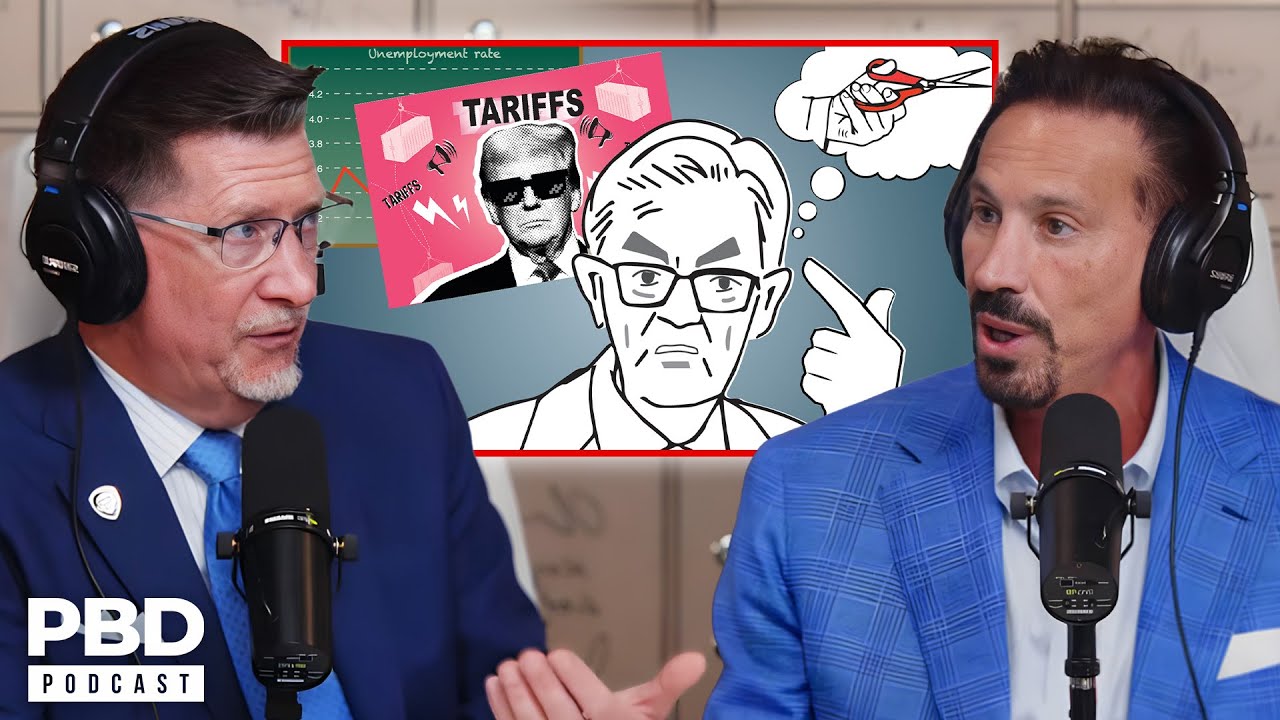
The video begins with a discussion on whether now is a good time to refinance a mortgage amid fluctuating interest rates. Fed Governor Lisa Cook’s recent statements indicate that a rate cut is not guaranteed, emphasizing that each Federal Reserve meeting is a “live meeting” with decisions made based on current economic data. Despite this uncertainty, refinancing can be beneficial, especially for homeowners who can lower their mortgage rates and potentially eliminate mortgage insurance due to home price appreciation. The savings from refinancing can be substantial, often amounting to hundreds of dollars monthly, making it a financially sound move even if rates might drop slightly in the future.
The conversation then shifts to the resurgence of adjustable-rate mortgages (ARMs), which had fallen out of favor after the 2008 financial crisis. Experts clarify that modern ARMs are not the risky “no income, no asset” loans of the past but offer lower initial rates compared to 30-year fixed mortgages. For example, a 7-year ARM might have a rate around 5.8%, compared to 6.3-6.4% for a fixed rate, providing significant savings in the early years. While there is some risk of rate increases after the fixed period, historical data suggests that rates are unlikely to rise enough to negate the initial savings, making ARMs a viable option for many buyers seeking affordability.
The panel then delves into the current state of the labor market and inflation. Despite Fed officials like Lisa Cook describing the job market as solid, recent data paints a different picture, with very low job creation numbers over the past three months and a decline in job openings. The methodology for counting job openings may overstate the actual demand due to the ability to post ads across multiple states. Additionally, people are staying on unemployment benefits longer, indicating a weakening labor market. Inflation, particularly as measured by the Fed’s preferred personal consumption expenditure (PCE) index, is argued to be overstated due to factors like owner’s equivalent rent (OER), which relies on subjective surveys and inflated rent estimates from sources like Zillow.
The discussion also critiques how inflation is measured, highlighting that some components, such as portfolio management fees, are counted as inflation even though they may not reflect actual price increases affecting consumers. The panelists argue that true inflation is closer to the Fed’s 2% target, suggesting that the Fed’s current restrictive monetary policy may be unnecessarily tight and harming the labor market. They advocate for a more balanced approach that considers the real state of inflation and the need to support job growth rather than focusing solely on inflation control.
Finally, the video touches on the broader economic challenges ahead, including the impact of automation and artificial intelligence on jobs. The panelists acknowledge that AI will likely reduce the number of available jobs, creating a need for thoughtful government intervention to avoid widespread unemployment and the potential necessity of universal basic income (UBI). While a simple rate cut could stimulate the economy and help offset job losses, it won’t directly solve the structural changes brought by automation. The video concludes with an invitation to a business planning workshop aimed at helping entrepreneurs navigate the complex economic landscape of 2026 and beyond.