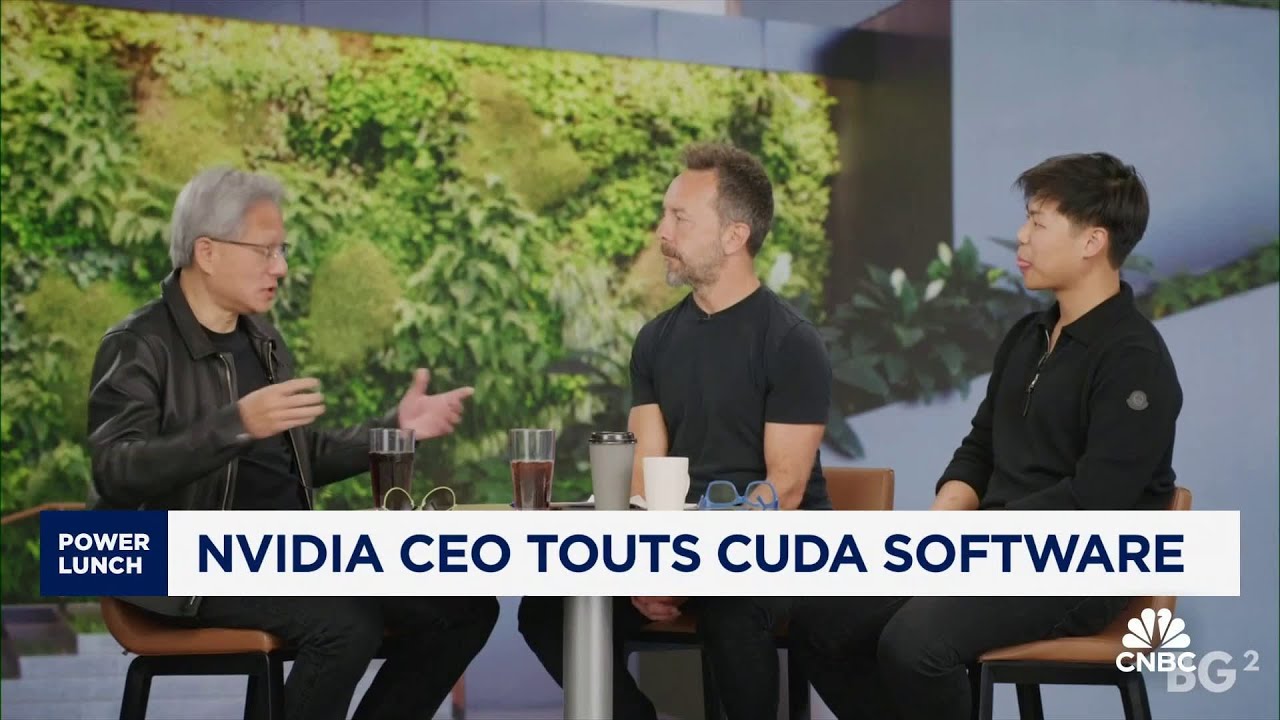
Nvidia CEO Jensen Huang discussed the company’s strong performance in the AI chip market, emphasizing their commitment to annual innovation and workforce expansion, which he believes will create new job opportunities rather than eliminate them. He also highlighted the competitive landscape of the tech industry, noting the challenges of maintaining their rapid product release schedule while continuing to meet the growing demand for advanced computing tools.
In a recent discussion, Nvidia CEO Jensen Huang addressed the company’s impressive performance in the AI chip market and its ongoing innovation. He emphasized that Nvidia is committed to developing new computing technology every year, aiming to double or triple performance while significantly reducing costs. Huang highlighted the ambitious goal of creating a brand-new computer annually, a feat he believes is unprecedented in the industry.
Huang also dismissed comparisons of Nvidia to Cisco, which faced challenges in maintaining market dominance in the late 1990s. He expressed confidence in Nvidia’s position, noting the increasing demand for computing tools and the necessity of curating vast amounts of data. This underscores the critical role Nvidia plays in the evolving tech landscape, particularly in AI.
A significant point Huang made was his belief that AI will not lead to job losses. Instead, he pointed out that Nvidia is expanding its workforce from 32,000 to 50,000 employees. This growth is accompanied by the development of AI assistants designed to enhance productivity and support the launch of AI applications, suggesting that AI could create new job opportunities rather than eliminate them.
Huang praised Elon Musk for his rapid development of a supercomputer, which he accomplished in just 19 days, a task that typically takes years. This highlights the competitive nature of the tech industry and the pressure on companies like Nvidia to innovate quickly and efficiently. Huang’s comments reflect a broader trend of accelerated technological advancement in the field.
The discussion also raised questions about the sustainability of Nvidia’s strategy of releasing new products annually. While the company has successfully maintained this pace so far, there are concerns about potential delays, particularly with upcoming products like Blackwell. The ability to consistently deliver faster and more efficient offerings will be crucial for Nvidia’s continued success in the competitive AI market.