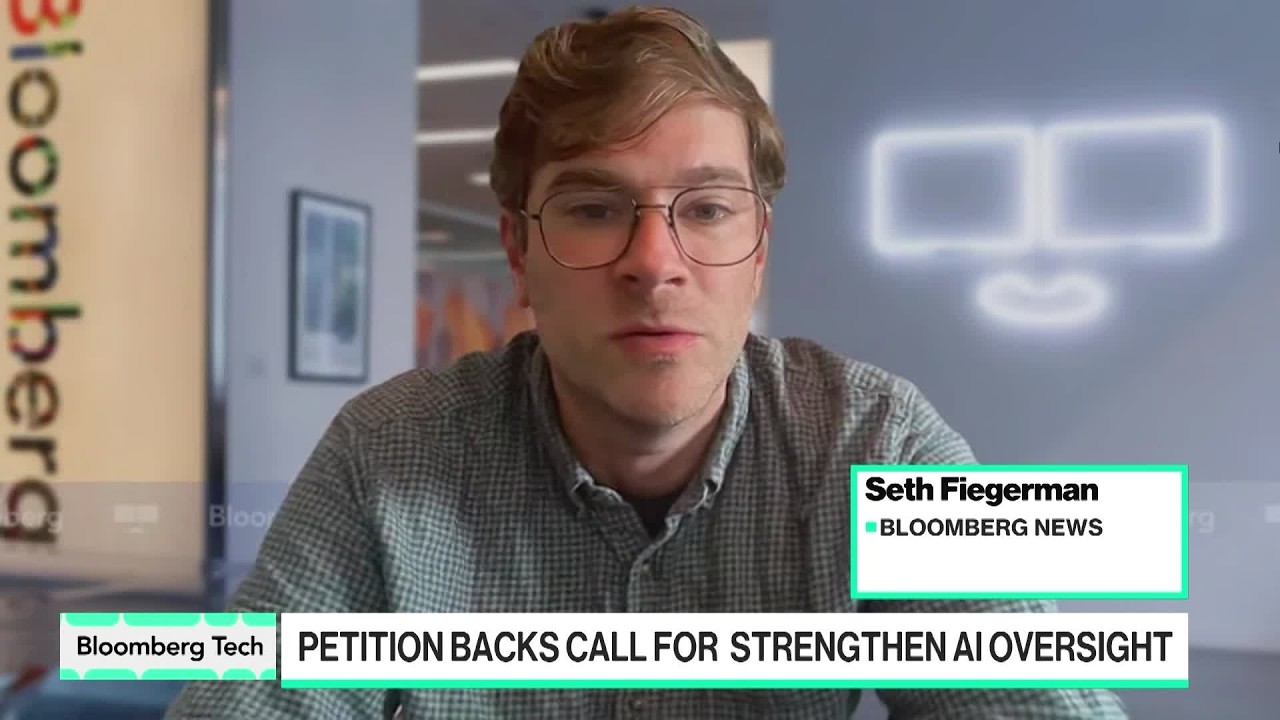
Over 1,000 AI industry leaders, including top figures from Anthropic, OpenAI, and Meta, have signed a petition urging the US government to implement frameworks that deliberately pace AI development to mitigate risks associated with rapid, unchecked progress. The petition calls for coordinated national and international efforts to establish governance mechanisms, reflecting growing concerns about AI safety and the need for cautious, regulated advancement.
More than 1,000 workers from leading AI companies, including prominent figures such as the CEO of Anthropic and chief scientists from OpenAI and Meta’s Superintelligence lab, have signed a petition urging the US government to deliberately pace the development of artificial intelligence. This collective call reflects growing concerns within the industry about the rapid advancement of AI technologies and the potential risks associated with unchecked progress.
The petitioners are advocating for the establishment of a technical and policy framework that governments or international bodies could use to manage the pace of AI development. While they stop short of explicitly demanding a slowdown, the implication is clear: there is a need to carefully control and possibly moderate the speed at which AI evolves. This stems from fears that AI systems might soon be capable of automating their own research and development, potentially leading to runaway progress that could outpace human oversight.
Recent incidents, including two breaches involving OpenAI’s technology, have heightened these concerns and added urgency to the call for regulation. Anthropic, a leading AI research lab, publicly supported the petition, echoing earlier statements from its co-founder Jack Clark, who had previously suggested the idea of a “pause button” to temporarily halt AI development. Other industry leaders, such as Demis Hassabis, have also proposed international frameworks or regulatory bodies to oversee AI advancements.
The petition specifically urges the US government to take action, ideally in coordination with international partners, to create mechanisms for governing AI development. Although the petition does not specify the exact form this intervention should take, possibilities include legislative measures by Congress or executive orders. The broader vision is for the US to collaborate with global entities to rethink and establish governance structures for AI technology.
Overall, the movement reflects a growing consensus within the AI community that the rapid pace of innovation requires careful management to mitigate risks. While the details remain to be worked out, the call for deliberate pacing signals a shift toward more cautious and coordinated development of AI, balancing technological progress with safety and ethical considerations.