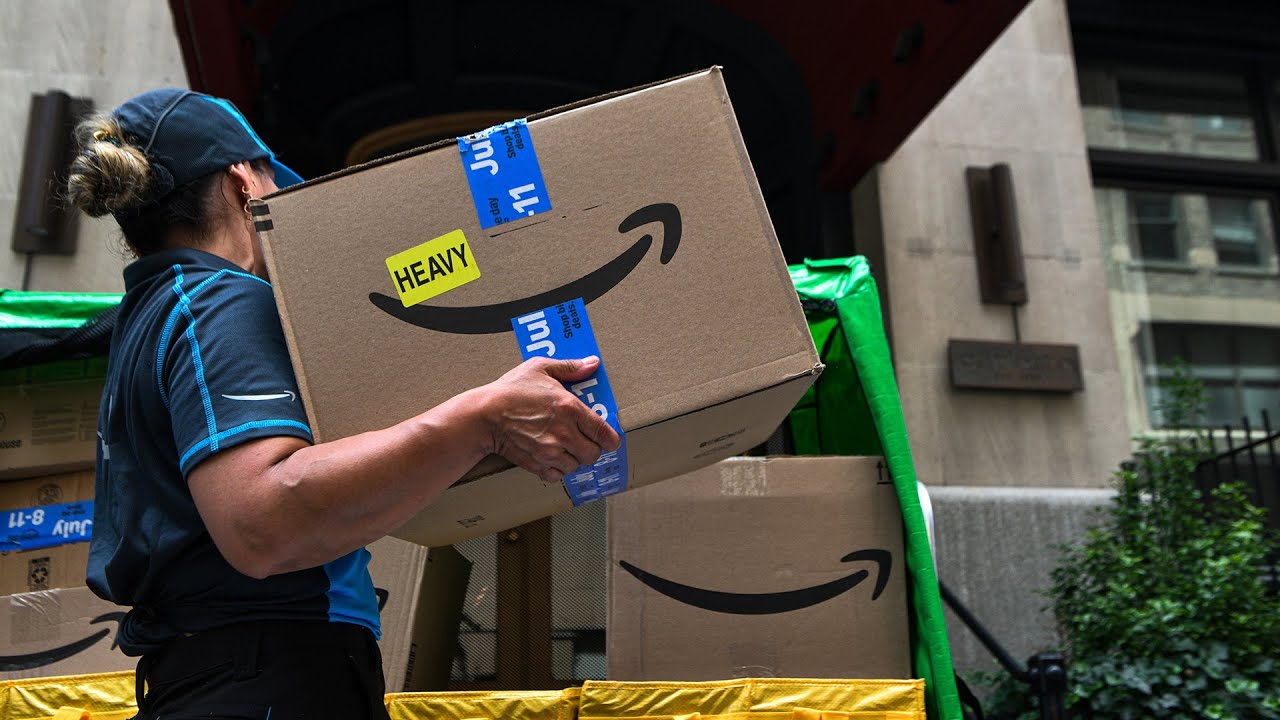
Amazon has moved its Prime Day event one month earlier to boost consumer spending and attract new Prime members, particularly among younger generations, amid cautious consumer spending due to economic pressures. Additionally, the rise of AI-driven agentic sales is transforming ecommerce, with expectations that over 60% of transactions by 2030 will involve AI agents, making Prime Day a key event as Amazon adapts to this shift.
Amazon has moved its annual Prime Day sales event one month earlier this year, aiming to capture consumer spending sooner in the calendar. Prime Day is a significant event for Amazon, designed to pull forward consumer spending during a period that traditionally lacks major sales events outside of back-to-school shopping. While Amazon does not disclose exact revenue figures from Prime Day, it is known to be a meaningful contributor to the company’s top line, although the heavy discounts offered mean the event may not significantly boost profits directly.
The primary goal of Prime Day extends beyond immediate sales; it serves as a powerful tool to attract new Prime members. Since only Prime members can access Prime Day deals, the event encourages sign-ups, particularly among younger generations like millennials and Gen Z. Surveys indicate that many younger consumers who join Prime during Prime Day tend to maintain their subscriptions long-term, making the event a strategic driver for expanding Amazon’s Prime ecosystem, which currently boasts over 200 million members worldwide.
Consumer spending intentions during Prime Day reflect cautious optimism amid economic pressures such as inflation and higher gas prices. Most consumers plan to spend between $100 and $200, consistent with previous years, but there is a noticeable pullback in higher spending brackets above $500. Shoppers are becoming more deal-savvy, often preparing lists of items they intend to purchase during the event, focusing on both everyday essentials and some big-ticket items, highlighting Prime Day’s role in helping consumers manage their budgets effectively.
A significant trend shaping the future of ecommerce is the rise of agentic sales, projected to reach $500 billion by 2030. Agentic sales involve AI-driven purchasing agents that can either fully or semi-autonomously handle transactions. Fully agentic sales allow consumers to make a single request, such as buying a specific item within set parameters, and the AI completes the purchase and delivery without further input. This approach is expected to be particularly useful for replenishment items like household essentials.
Semi-agentic sales involve interactive AI agents, such as Amazon’s Alexa, which assist consumers by searching for products based on detailed criteria and facilitating purchases. This technology is rapidly gaining traction, with expectations that over 60% of ecommerce transactions by 2030 will involve some form of AI agent. The integration of AI into shopping is transforming consumer behavior and retail strategies, making events like Prime Day even more critical as Amazon adapts to this evolving landscape.