Amazon is reportedly considering a new multi-billion dollar investment in the AI startup Anthropic, signaling a potential deepening of their partnership. Currently, Amazon has already invested around $8 billion in Anthropic, but unlike Microsoft’s exclusive deal with OpenAI, Amazon holds less leverage. Anthropic remains partially owned by Google and collaborates with other tech giants like Meta, maintaining its independence. This means that while Amazon’s investment could increase in size, it may not necessarily translate into tighter control or exclusivity.
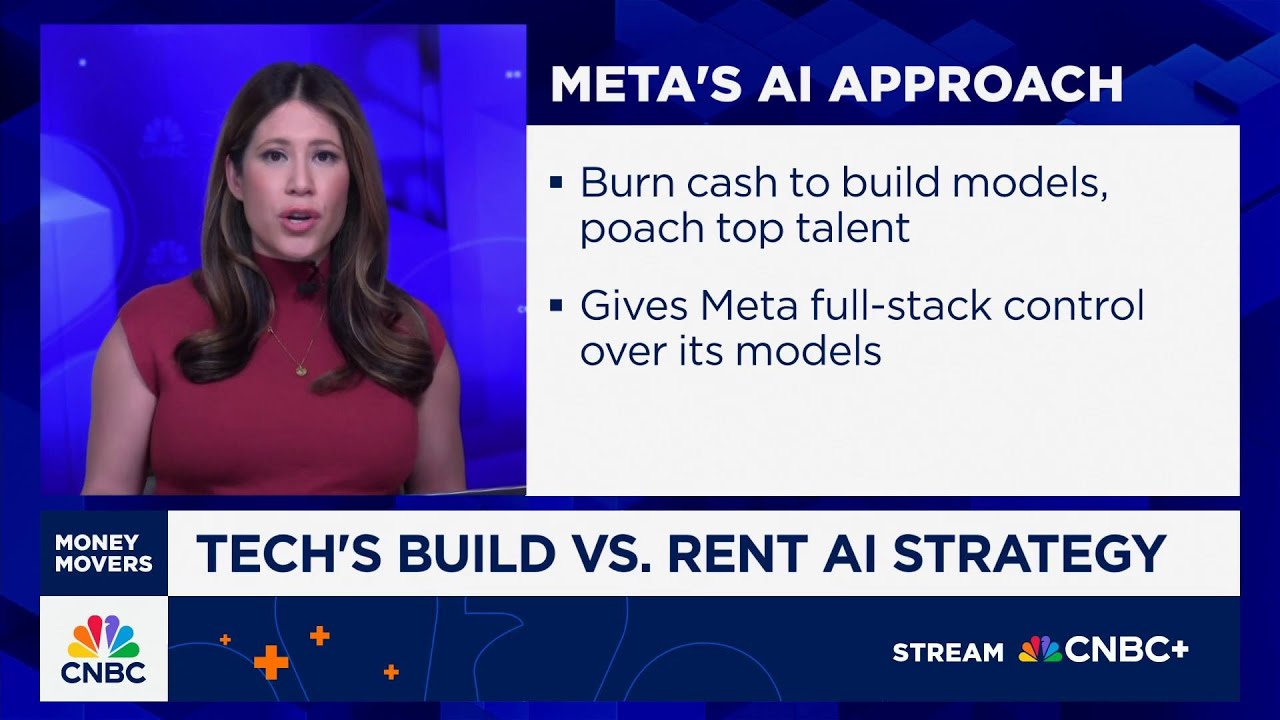
This situation highlights a broader strategic divide in how major tech companies are approaching AI development. Meta, for example, is heavily investing in building AI models in-house, aiming to control the entire technology stack and intellectual property. This approach is costly and challenging but offers the potential for greater control and long-term benefits. Amazon, on the other hand, is hedging its bets by investing in proven AI players like Anthropic while its own in-house AI models lag behind competitors such as GPT-4, Claude, and Gemini in performance benchmarks.
Amazon is also supporting Anthropic through infrastructure investments, including custom chips and data centers tailored to Anthropic’s needs, and integrating their AI into products like Alexa. However, there is no guarantee that Anthropic will remain loyal to Amazon, as it continues to collaborate with other companies and has multiple funding sources. This contrasts with Microsoft’s partnership with OpenAI, which secured exclusivity and integrated ChatGPT growth into its Azure cloud platform, although even that relationship has faced complexities as OpenAI pursues independent commercialization.
From an investor perspective, Amazon’s strategy is less about immediate capital gains and more about securing access to the best foundational AI models. The race to develop artificial general intelligence (AGI) or superintelligence is seen as the ultimate prize in the AI era, with companies like Meta and Amazon vying for leadership. By investing in Anthropic, Amazon aims to align itself with one of the top AI models, Claude, while continuing to develop its own capabilities. However, Anthropic’s multiple partnerships mean Amazon’s position is not exclusive, adding an element of risk.
Overall, the AI industry is currently witnessing a real-time experiment in strategic approaches, with some companies building AI stacks internally and others opting to partner with or invest in startups. Market reactions have so far favored early partnerships like Microsoft’s with OpenAI, while companies focusing on in-house development, such as Google, have yet to receive similar investor enthusiasm. The long-term value may ultimately belong to those who own foundational AI technology, but for now, Amazon’s investment in Anthropic represents a cautious but significant bet in the evolving AI landscape.