The discussion begins with an explanation of the evolving approach to IPO lockups, highlighting a shift towards gradual release of shares rather than cliff events. This method is seen as healthier for the market, allowing public investors to buy stock over time. The speakers emphasize their long-term commitment to SpaceX, focusing on the company’s potential and optionality beyond its initial launch business. SpaceX’s infrastructure and achievements, such as Starlink and the anticipated rapid reusability of Starship, are noted as key enablers for future space applications, including the newly named StarMind project.
A significant part of the conversation centers on the future of AI data centers in space. The speakers envision “airplane-sized GPU racks” equipped with solar arrays orbiting Earth, providing incremental and potentially more economical compute capacity compared to terrestrial data centers. They stress that the physics challenges have been derisked, and the main hurdle now is execution, particularly achieving rapid reusability of Starship. This innovation is expected to unlock new possibilities for deploying AI infrastructure in orbit, addressing the growing difficulty of expanding ground-based data centers.
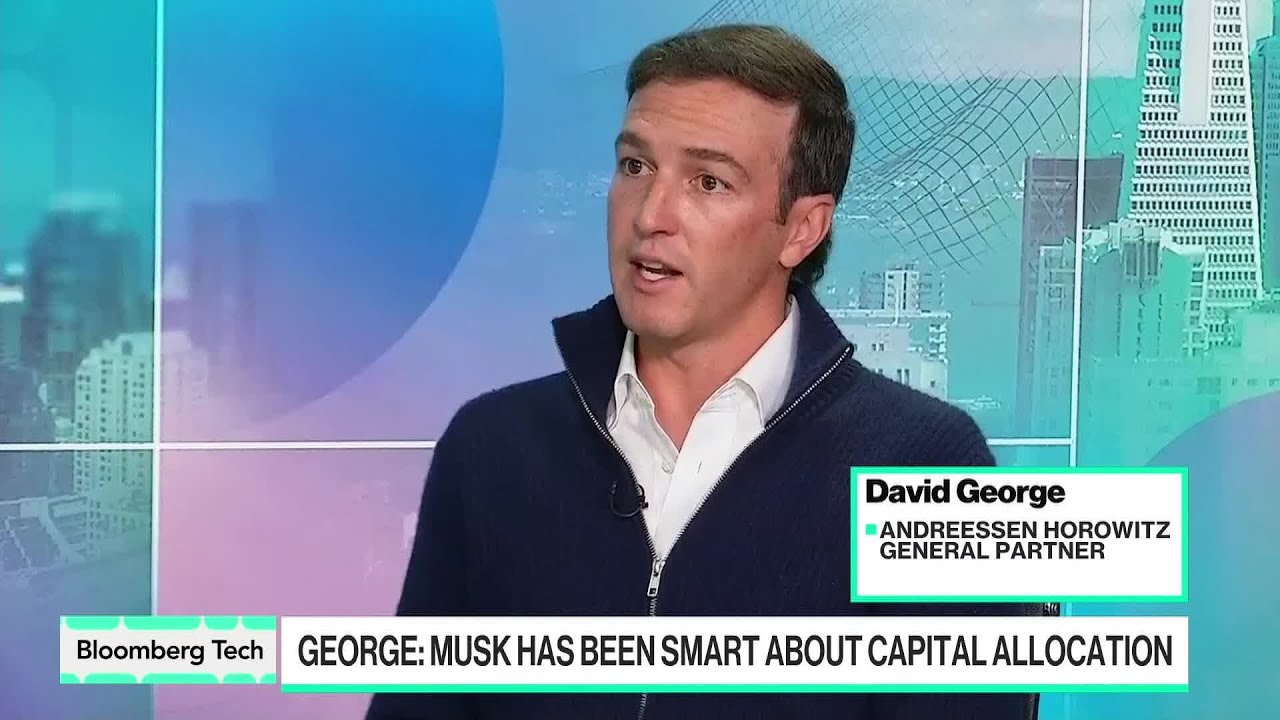
Elon Musk’s central role in SpaceX and related ventures is underscored as a critical factor in the company’s success and strategic direction. The speakers praise Musk’s strategic acumen, capital allocation decisions, and shareholder focus. They also discuss the possibility of mergers between Musk’s companies, such as Tesla and SpaceX, suggesting that such moves would only occur if there is strong strategic alignment and business sense. The importance of the founder’s vision and leadership is highlighted as a core element of investment theses in late-stage venture capital.
The conversation broadens to the nature of late-stage venture investing, emphasizing that value often accrues to founders who make bold, long-term decisions. The speakers draw parallels to public companies like Apple and Meta, where founder-led leadership has driven significant market value creation. They argue that late-stage venture capital is less about capital markets and more about supporting visionary founders through substantial growth phases, often in private markets. This approach reflects a belief in the transformative potential of technology trends, particularly AI, which they see as poised to generate even greater market impact than previous tech waves.
Finally, the speakers outline their investment strategy, which focuses on backing the best companies from early stages through late-stage rounds, leveraging a substantial $7 billion late-stage venture fund. They highlight the impressive growth rates of their portfolio companies, which significantly outpace comparable public firms. This growth, combined with strong founders and market leadership, aligns with their thesis of investing in transformative trends. The discussion reflects confidence in continued opportunities within the private market, driven by innovation and founder-led companies shaping the future of technology.