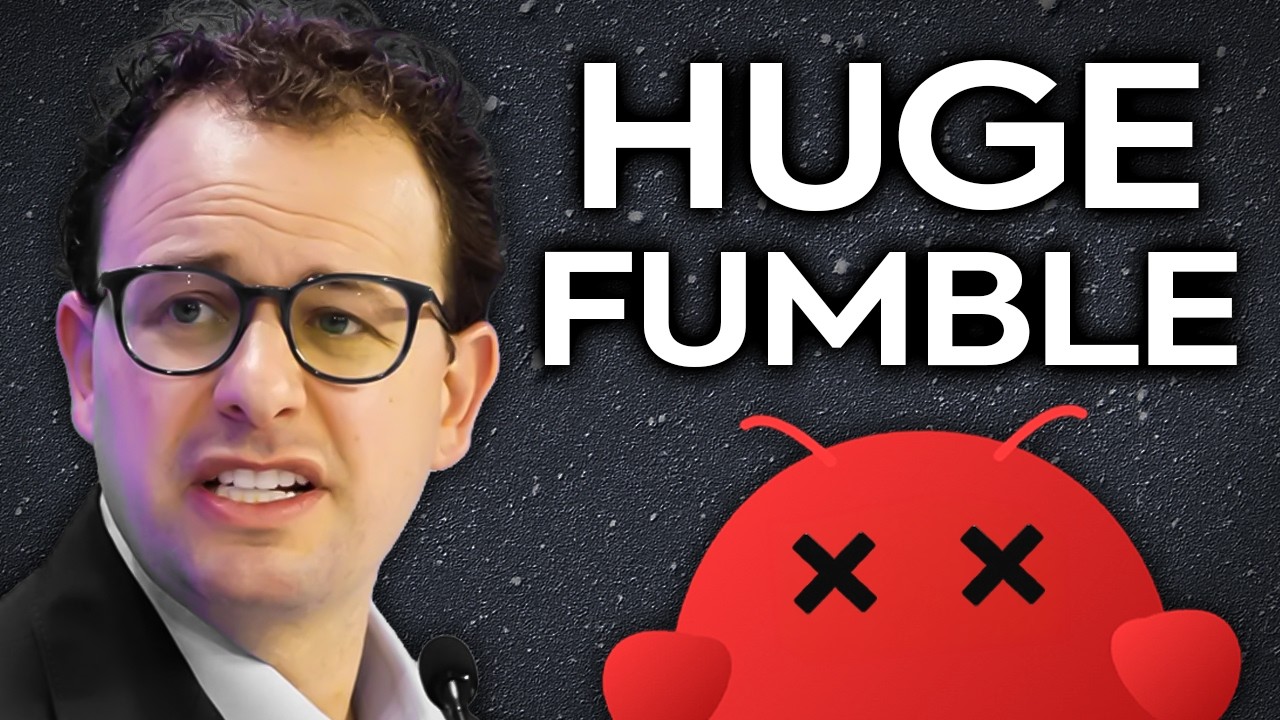
Anthropic has recently enforced a ban on using their subscription-based authentication tokens (OAUTH) to power third-party tools like OpenClaw, a popular local AI assistant. This move has frustrated many users who relied on their Anthropic subscriptions to access Claude models through OpenClaw, as it was a more affordable alternative to the expensive API pricing. The policy update, while not mentioning OpenClaw by name, clearly targets its usage by prohibiting OAUTH tokens obtained via Claude Free, Pro, or Max accounts from being used in any external product, tool, or service, including the agent SDK. This enforcement has been seen as a significant misstep by Anthropic, alienating a large segment of their tinkerer and builder community.
OpenClaw, formerly known as Claudebot, gained rapid popularity for its versatility and ability to run locally with various frontier AI models. After its initial success, Anthropic requested a name change due to trademark concerns, leading to a brief stint as Maltbot before settling on OpenClaw. The tool became the default way for many users to interact with Claude models, as the subscription route offered a substantial discount compared to direct API usage. Users were still paying Anthropic, often upgrading to higher-tier plans to accommodate their increased usage, but the new restrictions have now forced them to reconsider their options.
The cost difference between using Anthropic’s subscription and the API is significant. For example, using Claude Opus 4.6 via API can cost around $0.25 per 50,000 tokens, which adds up quickly, especially for more complex tasks. Many users, including the video’s creator, found themselves burning through their quotas and facing unsustainable expenses when forced to switch to API access after the OAUTH ban. This pricing structure has made it difficult for hobbyists and independent developers to continue using Anthropic’s models in their personal projects.
The policy update also caused confusion regarding the agent SDK, with some users unsure if they could still use their subscriptions for local development. Anthropic later clarified that local experimentation with the agent SDK and Claude-P is still encouraged, but building a business on top of it requires API keys. Despite this clarification, the community remains dissatisfied, feeling that Anthropic’s decision undermines the spirit of innovation and experimentation that fueled OpenClaw’s growth.
In contrast, OpenAI has taken a more open approach, allowing their subscriptions to be used with OpenClaw, which has led many users to switch to ChatGPT and other models like Gemini. The video’s creator now uses a more complex setup, primarily relying on ChatGPT for various tasks and keeping Anthropic’s models as backups. The overall sentiment is one of disappointment with Anthropic’s handling of the situation, as it has driven away enthusiastic users and handed an opportunity to competitors like OpenAI.