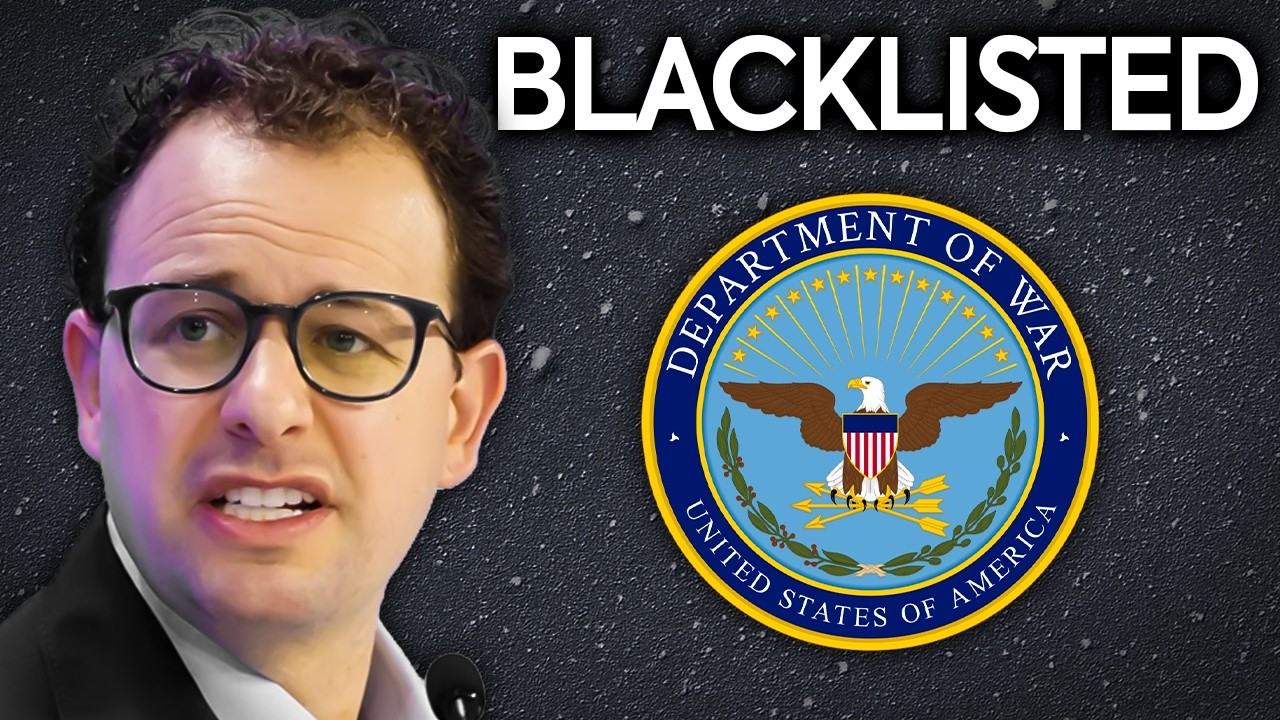
Anthropic refused the U.S. Department of Defense’s demand to remove safety guardrails from its AI models, specifically rejecting use for mass surveillance and fully autonomous weapons. In response, the DoD threatened severe consequences, including blacklisting Anthropic, sparking industry-wide support for Anthropic and escalating tensions between the government and AI companies over ethical AI use.
Anthropic, a leading AI company, recently refused a demand from the U.S. Department of Defense (DoD) to remove all safety guardrails from its AI models. The Pentagon wanted unrestricted access to Anthropic’s technology for defense purposes, but Anthropic drew a firm line, refusing to allow its models to be used for mass surveillance of Americans or to develop fully autonomous weapons without human oversight. Despite already having a $200 million contract with the DoD and being the first AI lab to integrate its models into classified military workflows, Anthropic insisted that these two use cases were absolute red lines.
The DoD responded with a series of escalating threats. Officials warned that Anthropic could be labeled a supply chain risk—a designation previously reserved only for foreign adversaries—which would effectively blacklist the company from all military contracts and partnerships. The Pentagon also threatened to cancel Anthropic’s existing contract and even considered invoking the Defense Production Act, which could compel Anthropic to provide its technology without restrictions in the interest of national defense.
Anthropic’s CEO, Dario Amodei, published a letter explaining the company’s stance. He emphasized the importance of AI in defending democratic values but argued that current AI systems are not reliable enough for fully autonomous weapons and that mass surveillance of U.S. citizens is both unethical and illegal. Amodei also pointed out that removing these guardrails would put both soldiers and civilians at risk due to the potential for AI errors. He offered to continue working with the DoD as long as these two safeguards remained in place and promised a smooth transition if the government chose to end the partnership.
The standoff has sparked a broader debate within the AI industry. Sam Altman, CEO of OpenAI, publicly supported Anthropic’s position, stating that OpenAI also refuses to allow its models to be used for mass surveillance or autonomous lethal weapons. Over 200 engineers from top AI companies signed a letter backing Anthropic, urging industry leaders to stand firm against government demands to remove critical safety measures from AI systems.
The situation escalated further when former President Trump issued a directive for all federal agencies to cease using Anthropic’s technology, and the DoD officially designated Anthropic as a national security supply chain risk. This unprecedented move marks the first time a U.S. company has received such a designation, signaling a major rift between the government and the AI sector. The story is still developing, with significant implications for the future of AI governance and the relationship between tech companies and the U.S. government.