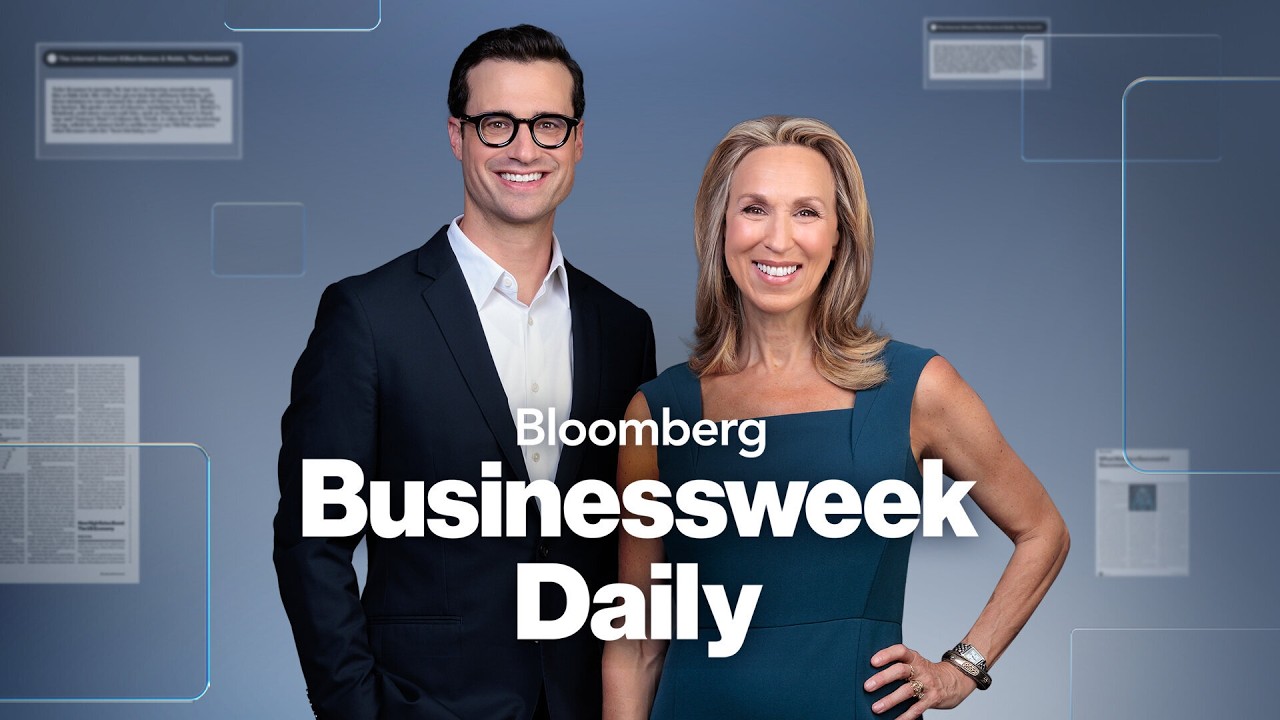
The Bloomberg Businessweek Daily report highlights a significant surge in AI-related stocks, driven largely by impressive revenue growth from companies like Anthropic. Anthropic reported a staggering 14-fold increase in quarterly revenue compared to the previous year, reaching billions, positioning it alongside major players like OpenAI. This rapid growth underscores the expanding scale and monetization of AI technologies, with semiconductor companies such as Sandisk and Micron also benefiting from the AI boom. The discussion emphasizes the massive capital expenditures involved in scaling AI infrastructure, including the substantial power requirements measured in gigawatts, and the ongoing investments by tech giants like Alphabet and NVIDIA to support this growth.
The conversation delves into the economics of AI infrastructure, noting that companies are investing heavily in computing capacity, with Alphabet raising billions through global bond markets to fund its AI ambitions. NVIDIA’s recent commitment to a $1.5 billion data center campus in Ohio, leased by OpenAI, exemplifies the deepening collaboration between hardware providers and AI developers. Despite the high costs, the return on investment appears promising, as the demand for AI compute power continues to rise. The panel also touches on the broader implications for energy consumption and the supply chain, highlighting how AI’s growth is influencing sectors beyond technology, including energy, commodities, and cybersecurity.
In addition to AI market dynamics, the report covers geopolitical and economic issues impacting global markets. Former White House Senior Director for International Economics, Peter Harrell, discusses the interplay between ongoing conflicts, such as the war in Iran, and U.S. trade policies. He explains how elevated energy prices due to geopolitical tensions have influenced the administration’s cautious approach to tariff adjustments. Harrell also notes a shift toward more pragmatic trade policies compared to previous years, with selective exemptions to tariffs aimed at mitigating inflationary pressures. The broader theme is a new era of economic policy marked by increased government intervention, equity stakes in companies, and a focus on supply chain resilience.
The segment further explores the complex relationship between the U.S. and China, especially in the context of AI and trade negotiations. Harrell highlights the upcoming meeting between Presidents Trump and Xi Jinping as a critical moment that could shape future cooperation or competition in technology and economic policy. While the U.S. pursues an aggressive stance on AI dominance and decoupling from China, there remains potential for dialogue on AI safety and regulatory frameworks. The discussion underscores the strategic importance of rare earth elements, energy markets, and financial leverage held by both nations, framing the relationship as a high-stakes “frenemy” dynamic with significant global implications.
Lastly, the report touches on notable developments in the sports and financial sectors, focusing on Mark Walter, a prominent financier with ownership stakes in major sports teams like the Dodgers, Lakers, and Chelsea Football Club. Walter is currently navigating financial and legal challenges, including a federal probe into his insurance businesses and asset sales to manage balance sheet concerns. The rapid sale of the Lakers and potential sale of Chelsea highlight the pressures on his empire. This story illustrates the intersection of wealth, sports, and regulatory scrutiny, raising questions about the sustainability of such vast financial empires amid increasing oversight and market volatility.