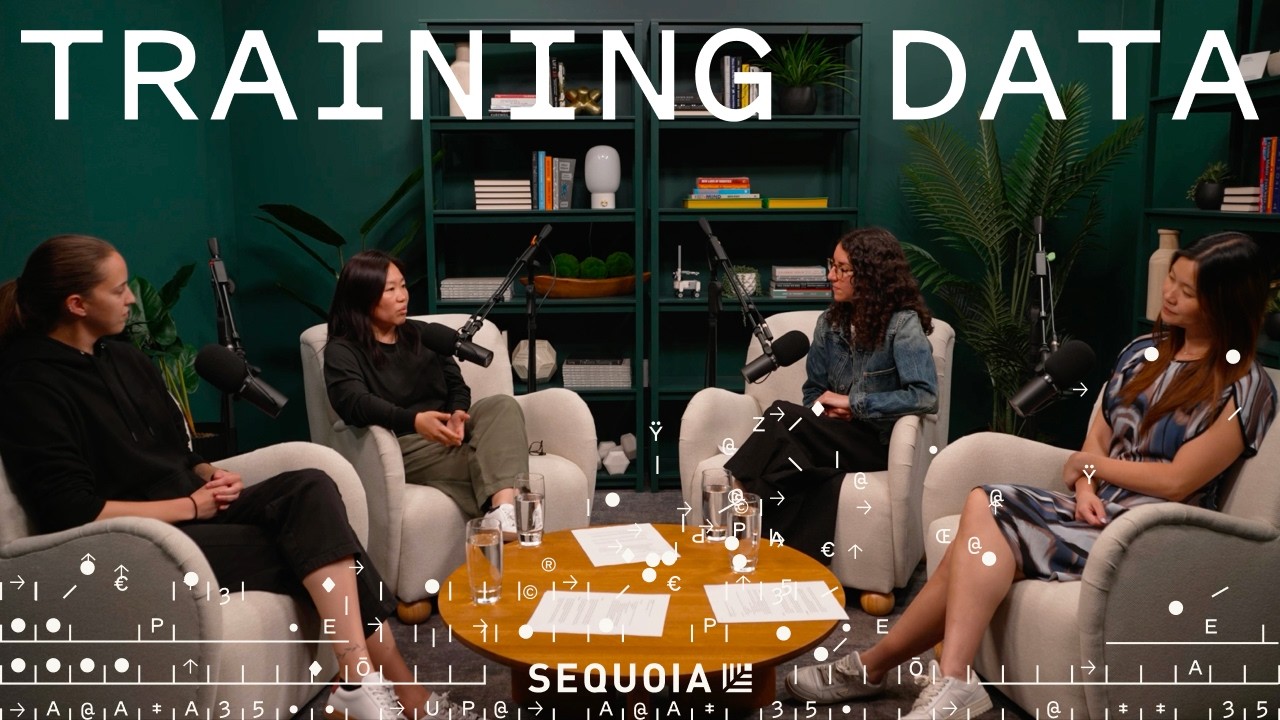
In the discussion, Katelyn Lesse and Angela Jiang from Anthropic elaborate on the architecture and vision behind the Anthropic platform, emphasizing its layered approach to AI development. They describe the platform as comprising three main abstraction layers: knowledge, execution, and coordination. The knowledge layer involves understanding and interacting with the Claude model through APIs and primitives like skills and memory. The execution layer focuses on enabling Claude to perform tasks, supported by infrastructure such as managed agents that handle complexities like sandboxing and session management. The coordination layer, still emerging, involves orchestrating multiple tokens or agents with distinct roles, enabling more sophisticated strategies and workflows.
The team highlights their dual focus on serving both internal and external users. Internally, the platform aims to provide rapid, reliable tools to accelerate the development of AGI-related products. Externally, the goal is to empower any builder to create customized AI applications by offering a broad set of primitives, APIs, and standards like MCP and skills. They stress the importance of maintaining consistency between internal and external offerings to foster innovation and democratize the discovery of new AI form factors, acknowledging that the landscape is rapidly evolving beyond simple chat or agent models.
Anthropic’s approach to ecosystem building is centered on openness and modularity rather than walled gardens. They actively integrate with hyperscalers like AWS and Google and support self-hosted components and third-party infrastructure through standards and connectors. This openness extends to interoperability and safety standards, aiming to collaborate across the industry to ensure secure and reliable AI deployments. Their philosophy embraces experimentation with new product form factors, such as Claude Design and Claude Tag, which showcase innovative ways to interact with AI, emphasizing context engineering and harness complexity beneath simple user interfaces.
The conversation also delves into best practices for building AI harnesses and managing context. They advocate for prompt caching, efficient context window management, and rigorous evaluation to optimize performance and cost. However, they see the greatest innovation potential in higher-level “strategy” harnesses that assign distinct roles to tokens—such as advising, executing, or reflecting—and coordinate their interactions to maximize intelligence per dollar. This meta-level orchestration represents a frontier for improving AI agent capabilities beyond basic prompt engineering.
Finally, Katelyn and Angela share insights from their platform’s users, noting exciting innovations in context connectivity, especially among AI-native startups and enterprises dealing with legacy systems. They observe a shift from “token maxing” to “token rationalization,” encouraging users to design intelligent routing strategies that balance model size, cost, and task complexity. Looking ahead, Anthropic plans to enhance modularity, developer experience, and enterprise readiness while continuing to push the boundaries of strategy composition and agent orchestration, aiming to empower a broad ecosystem to build increasingly sophisticated AI applications.