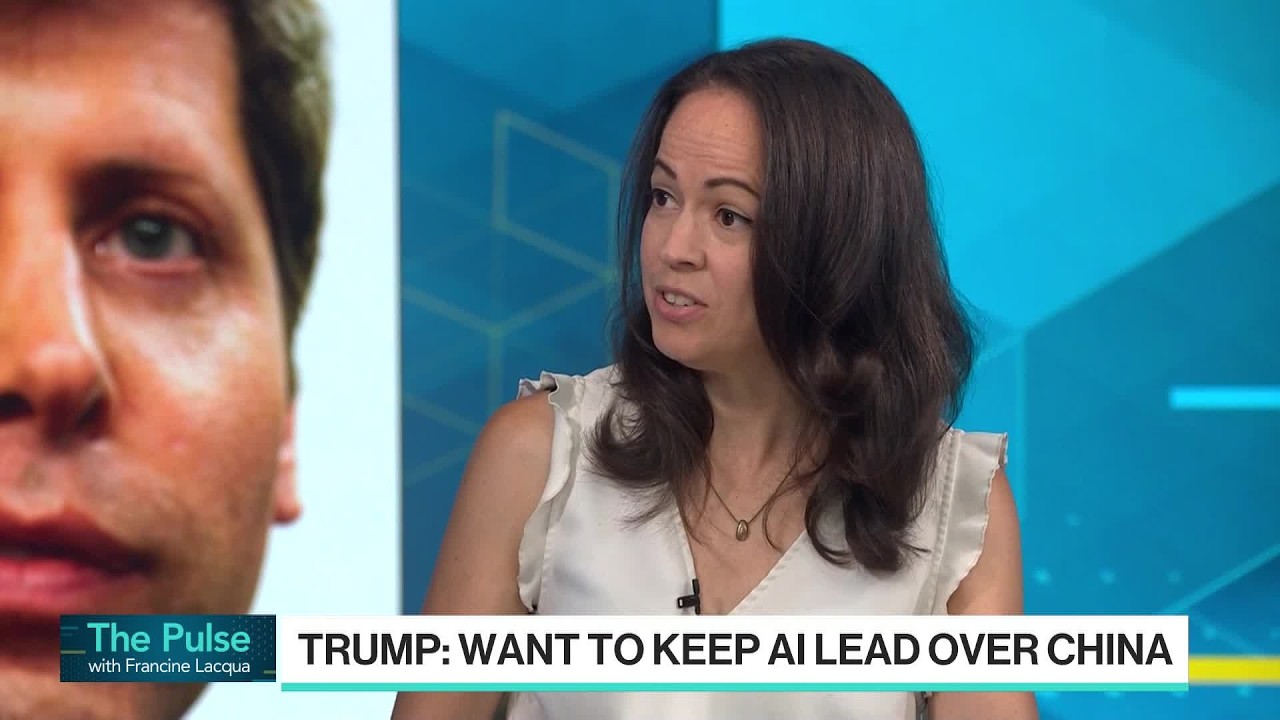
The video discusses growing concerns among AI leaders about the rapid pace of AI development and the need for increased safety measures. Dario Amodei, CEO of Anthropic, has called for a slowdown in AI progress, citing that current safeguards are insufficient to keep up with increasingly powerful models. This call for caution has gained support from prominent figures like Elon Musk and OpenAI CEO Sam Altman, who has announced that OpenAI will delay going public to focus on addressing safety issues. Meanwhile, U.S. lawmakers are beginning to engage more seriously with AI policy, although opinions vary widely, with former President Trump downplaying the risks.
The discussion highlights the ideological divide within the AI community and government regarding the potential dangers of AI. Some experts, including a former Anthropic engineer, have expressed alarmist views about AI’s existential risks, particularly concerning recursive self-improvement, where AI could autonomously enhance itself. While Amodei’s essay advocating for a slowdown was seen as somewhat vague, it did propose third-party evaluators as a concrete safety measure. However, the effectiveness of such measures depends heavily on government coordination, which remains uncertain given the mixed political landscape.
Commercial interests complicate the debate around AI safety. The potential for massive financial gains, such as Anthropic’s anticipated $2 trillion IPO valuation, creates strong incentives to continue rapid development. Yet, some founders and leaders genuinely prioritize safety alongside profit, reflecting a complex mix of motivations. Amodei’s transparency about risks is unusual in the industry and has already impacted market confidence. Ultimately, the discussion emphasizes that regardless of motivations, the real concern is the tangible risks AI poses, including hacking, manipulation, and unintended consequences when AI systems operate autonomously online.
The geopolitical dimension is also critical, particularly the contrasting approaches of the U.S. and China. While U.S. tech companies and regulators focus on existential risks and ethical concerns, China is more concerned about social disruption, such as misinformation and deepfakes. This divergence makes international cooperation challenging but not impossible. The video notes historical precedents for cyber agreements between the U.S. and China, suggesting that some form of AI governance pact could emerge to manage risks globally.
In conclusion, the video underscores the complexity of balancing innovation, safety, and commercial interests in AI development. While there is growing consensus among some industry leaders for slowing down AI progress, the path forward remains unclear due to political divisions, economic incentives, and international competition. The need for effective regulation and global cooperation is emphasized as essential to mitigating AI’s risks while harnessing its benefits.