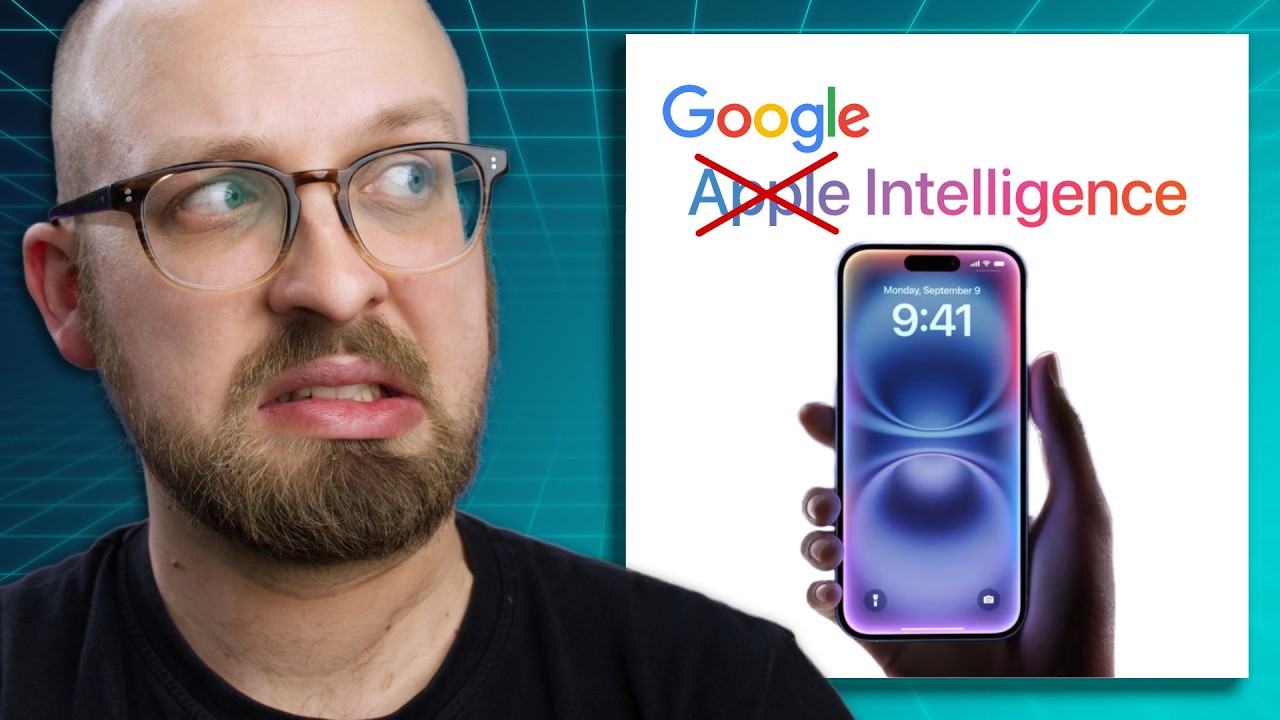
In this week’s update, Apple has reportedly decided to integrate Google’s AI model Gemini into Siri, marking a significant shift in their approach to AI. Bloomberg revealed that Apple is entering a $1 billion per year deal to use Gemini for synthesizing information and managing complex tasks within Siri, while simpler functions will still rely on Apple’s in-house models. This move comes as Apple’s own AI models have lagged behind competitors. However, Apple is simultaneously developing a massive 1 trillion parameter cloud-based AI model, aiming to launch it for consumers as early as next year, potentially replacing Gemini. Notably, Gemini will run on Apple’s private cloud infrastructure to maintain user privacy, and Apple intends to keep this partnership discreet.
Fairphone is experiencing strong growth and is expanding into the US market. The company announced that it will begin selling its modular and repairable over-ear headphones, the Fairbuds XL, on Amazon in November for $230. While there was initial confusion about launching additional products simultaneously, Fairphone confirmed that only the headphones will debut in the US for now. The company’s revenue surged by 61% last quarter, driven by demand for the Fairphone 6, and they have returned to profitability. Although Fairphone remains a small player with around 100,000 phones sold in 2024, its trajectory is positive, and there is hope for more products to enter the US market in the future.
The long-standing legal battle between Epic Games and Google appears to be nearing resolution with a comprehensive settlement. Key points include Google ceasing payments to phone manufacturers for exclusivity agreements that block third-party app stores, enabling users to easily download certain registered third-party stores, and allowing developers to direct users to alternative payment methods beyond Google Play billing. Additionally, Google will reduce its fees, ranging from 9% to 20%, depending on various factors. While some provisions apply only in the US, many will have global implications, signaling a significant shift in app store policies and developer relations.
In other tech news, several notable product launches and updates were highlighted. The Red Magic 11 Pro became the first smartphone with visible liquid cooling technology, featuring an active fan and under-display selfie camera. Motorola introduced the Edge 70, a thin and light upper mid-range phone with a large 4,800 mAh battery and decent cameras. IKEA announced 21 new affordable smart home products compatible with the Matter standard and Thread protocol, set to launch in January. Additionally, WhatsApp released a fully featured Apple Watch app, and Google added Gemini AI integration to Google Maps for enhanced voice queries.
The video also covered various industry developments and controversies. Reuters reported that Meta expects 10% of its 2024 ad revenue to come from scam or banned goods ads, with lax enforcement policies. Google is exploring space-based AI infrastructure through Project Suncatcher, aiming to use solar-powered satellites for continuous TPU operation. Google Play and YouTube will exit the Movies Anywhere program due to disputes with Disney. Tesla shareholders approved Elon Musk’s $1 trillion pay package, and Linux gaming on Steam surpassed 3% market share. Lastly, the European Space Agency launched the Sentinel 1D radar imaging satellite, and the host promoted Nebula’s free trial offer for exclusive video content.