Eli, the host, begins by sharing his current activities in Durham, North Carolina, where he teaches technology classes and prepares for a presentation at the All Things Open meetup in Raleigh. He humorously discusses the challenge of delivering a meaningful talk about AI in just ten minutes, noting his tendency to speak at length and his reputation for candid, sometimes controversial opinions about technology, particularly artificial intelligence.
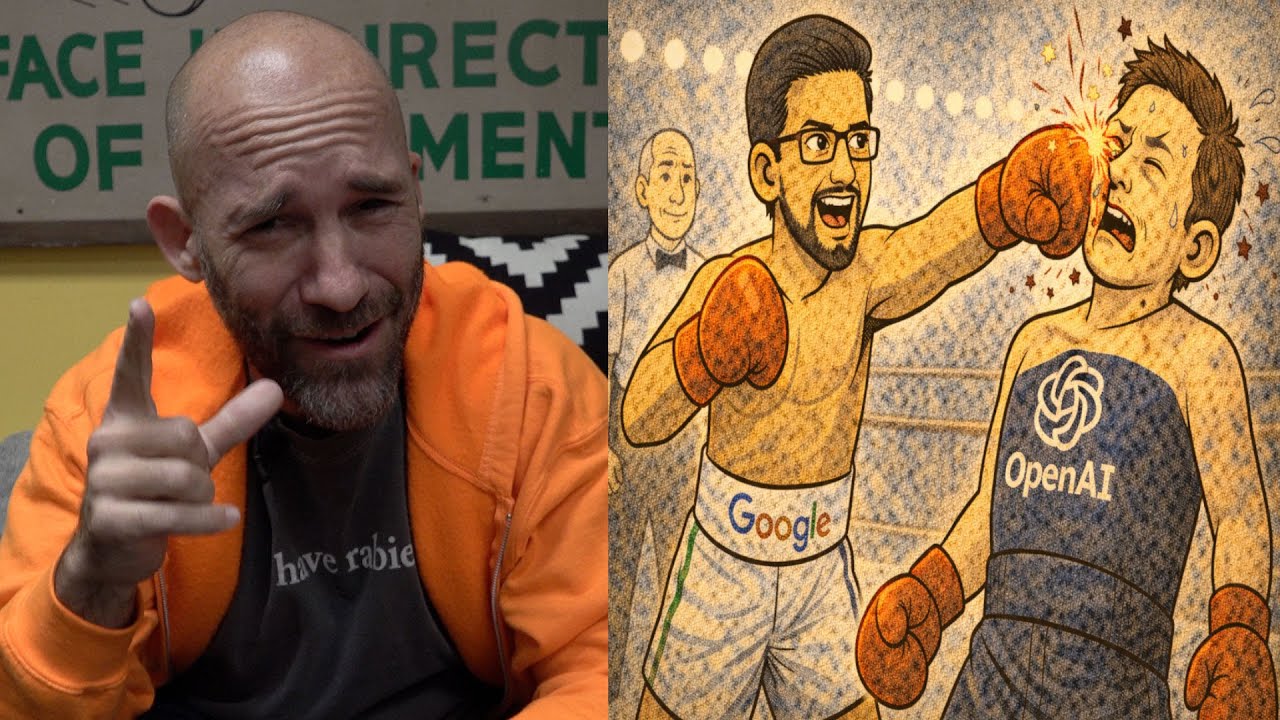
The main topic of the video is Apple’s recent decision to partner with Google, using Google’s Gemini AI models to power a revamped version of Siri. Eli finds this move significant, especially in light of recent reports that ChatGPT’s web traffic has dropped by 30% since the release of Gemini Pro 3. He argues that consumers don’t buy technology for its own sake, but for the solutions it provides, and that the real value in AI comes from seamless integration into existing workflows and products, rather than from the underlying technology itself.
Eli reflects on his own use of AI tools, noting that his continued use of ChatGPT is largely due to habit and legacy, rather than any unique value it provides. He observes that Google’s strategy of embedding AI features directly into widely used products like Search, Gmail, and Docs makes their AI offerings more accessible and sticky for users. This, he suggests, is a more sustainable approach than OpenAI’s focus on developing ever-larger and more advanced models without prioritizing integration or practical utility.
The discussion then shifts to the broader implications of Apple’s partnership with Google. Eli questions whether Apple was ever truly “behind” in AI, suggesting that it makes more business sense for Apple to leverage existing AI solutions from other companies rather than investing billions to develop its own. He also raises concerns about Google’s growing dominance, as its AI technology becomes embedded not only in Android and Chrome but now also in Apple devices, cars, and other platforms, leading to potential privacy and antitrust issues.
Eli concludes by drawing a parallel to the browser wars of the 1990s, comparing OpenAI’s position to Netscape and Google’s to Internet Explorer. He argues that when a good-enough solution is integrated for free into products people already use, most users will not go out of their way or pay extra for a marginally better alternative. He questions OpenAI’s long-term business model and suggests that the future of AI will be determined by integration and accessibility, not just technical superiority. He wraps up by inviting viewers to share their thoughts and promoting his upcoming classes at Silicon Dojo.