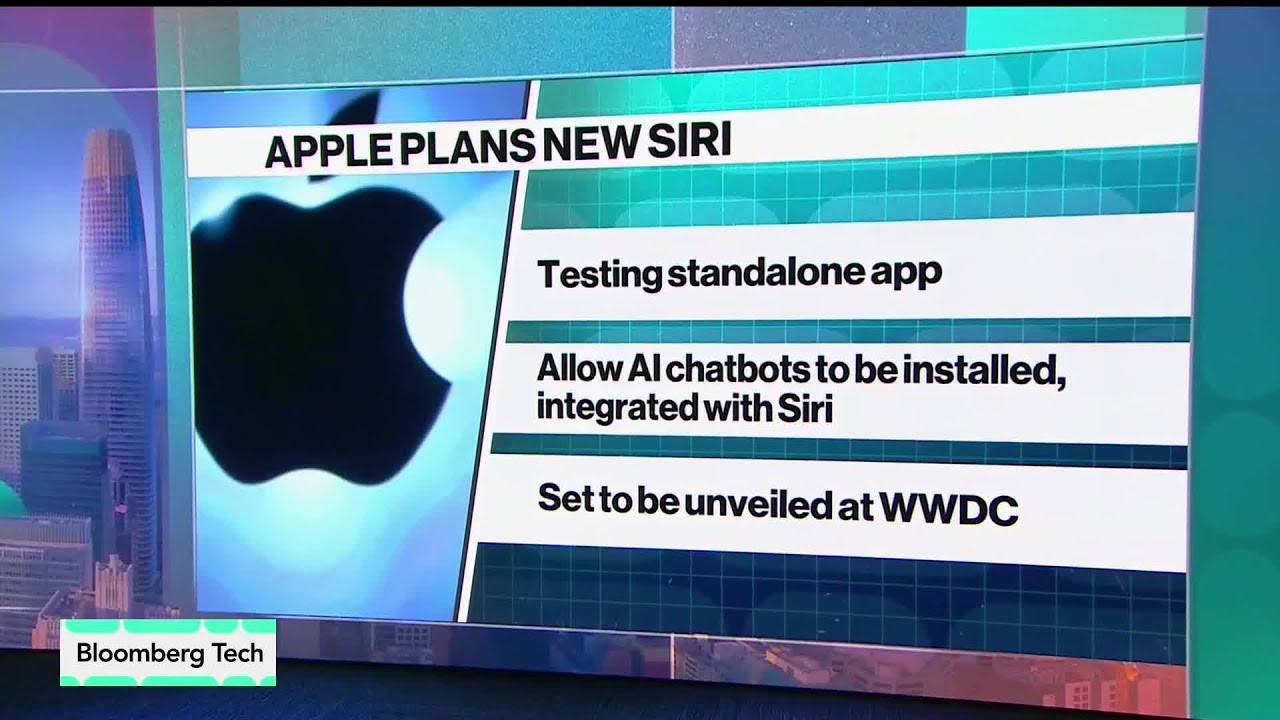
Apple is adopting a chatbot-agnostic AI strategy by integrating various AI platforms into its devices and creating an AI services section in its app store to generate subscription revenue, while simultaneously enhancing its own AI features like Siri using proprietary technology. Amid fierce competition for AI talent, especially from OpenAI—which is led by former Apple hardware executives and actively recruiting Apple engineers—Apple is implementing retention incentives to maintain its core hardware expertise and balance its hardware and AI ambitions.
Apple is adopting a chatbot-agnostic approach in its new AI strategy, aiming to integrate various AI platforms into its devices based on consumer preference. This move allows Apple to create a new section in its app store dedicated to AI services, enabling the company to take a commission—typically around 30%—from subscriptions to higher-tier AI offerings. This strategy reflects Apple’s focus on leveraging its hardware as a platform while expanding its services revenue, rather than directly competing in the AI development race.
Alongside this agnostic approach, Apple is continuing to develop its own first-party AI features, such as enhancements to Siri. For example, they are working on making Siri more accessible through the keyboard and rebuilding their underlying AI models using technology from Gemini. These efforts indicate that while Apple is open to integrating third-party AI solutions, it is also committed to advancing its proprietary AI capabilities.
Internally, Apple is addressing challenges related to talent retention amid intense competition from AI-focused companies like OpenAI. To prevent key hardware engineering and design personnel from leaving, Apple has introduced incentives such as one-time bonuses and restricted stock units (RSUs) that vest over several years. Recently, these incentives have been targeted particularly at the iPhone product design team within the hardware engineering group, highlighting the company’s efforts to maintain its core hardware expertise.
The competition for AI talent is especially fierce because companies like OpenAI are not only developing AI models but also building hardware devices. OpenAI aims to combine Apple’s renowned hardware engineering skills with their own advanced AI models to create powerful new products. This has led to significant poaching of Apple’s hardware engineers, with dozens reportedly leaving Apple for OpenAI over the past six months.
Interestingly, the hardware engineering group at OpenAI is led by former Apple hardware executives, which adds another layer to the competitive dynamic. This situation underscores the broader challenges Apple faces in balancing its hardware and AI ambitions while retaining top talent in a rapidly evolving and competitive AI landscape.