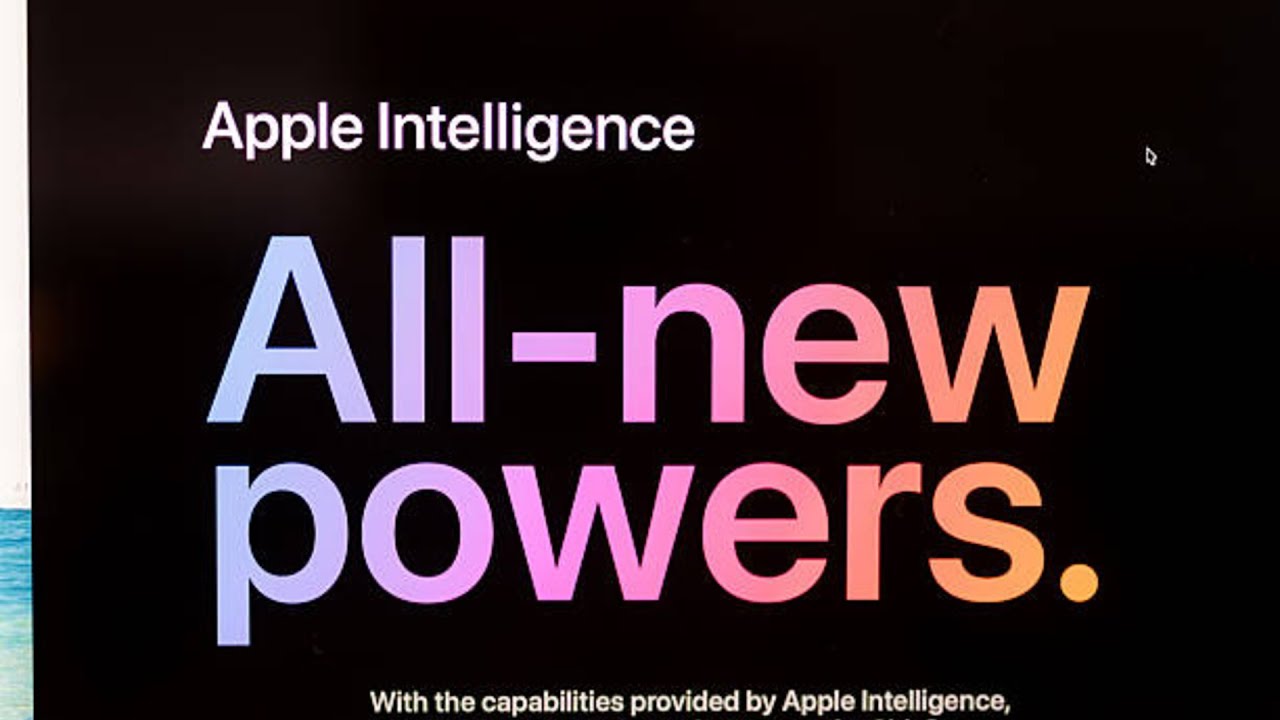
Analyst Walter Piecyk criticizes Apple’s slow progress and leadership under CEO Tim Cook in effectively integrating AI into its products, highlighting struggles with Siri and the lack of a clear succession plan to drive innovation. He warns that without significant change, including potentially new leadership, Apple risks losing its competitive edge to rivals like Google in the rapidly evolving AI landscape.
The discussion centers on Apple’s current position and strategy in the rapidly evolving field of artificial intelligence (AI). Despite positive analyst ratings from firms like Evercore, Morgan Stanley, and Wedbush, there is growing concern about Apple’s ability to effectively integrate AI into its products. Walter Piecyk, a prominent analyst, has been vocal for nearly a year about the need for a leadership change at Apple, arguing that the company requires a CEO with a different skill set to drive innovation and product development in AI.
Piecyk criticizes Apple’s current CEO, Tim Cook, suggesting that while Cook has done an excellent job historically, the company now faces existential risks due to its slow progress in AI. He highlights that Apple has stumbled embarrassingly in this area and that the lack of a clear succession plan or internal candidate capable of leading the company through this AI transition is a significant failure of both the CEO and the board. Piecyk’s call for change was initially met with skepticism and criticism, but he maintains that it was a necessary and prescient warning.
A key example of Apple’s struggles with AI is its virtual assistant, Siri, which Piecyk describes as still being “terrible” compared to other AI-driven language models. Recent attempts to improve Siri by integrating additional large language models (LLMs) have not yielded meaningful progress, indicating that Apple’s approach is more about adding layers rather than fundamentally enhancing the technology. Piecyk hopes that a new CEO could shift the company’s culture and strategy to better prepare Apple for the AI-driven future.
The conversation also touches on competitive pressures, particularly from Google and the Android ecosystem, which continue to gain market share and may be better positioned to leverage AI advancements. While Apple’s iPhone remains a dominant revenue source, the company risks being leapfrogged if it does not accelerate its AI initiatives. The industry is on the cusp of major technological transitions, and history shows that market leaders can lose ground if they fail to adapt quickly.
In conclusion, while Apple remains a strong player in the smartphone market, its current AI strategy and leadership are under scrutiny. Piecyk emphasizes that every day without significant change makes it harder for Apple to catch up or maintain its competitive edge. The company’s future success in AI will depend on its ability to innovate and execute effectively, potentially requiring a new CEO who can lead this transformation and restore confidence in Apple’s ability to navigate the AI era.