The discussion centers on Apple’s position in the evolving technology landscape, emphasizing that Apple’s strength lies more in hardware and services rather than cutting-edge AI technology, which dominates the rest of the tech world. Despite previous disappointing upgrade cycles for iPhones, particularly in China, recent developments suggest a turnaround with China becoming a tailwind rather than a headwind. Apple’s CEO Tim Cook is portrayed as a savvy leader balancing political and business interests, which could positively influence the company’s trajectory. The anticipation around Apple’s next iPhone release and potential AI integration is high, with investors hopeful about a significant AI partnership, possibly with Google’s Gemini, which could dramatically boost Apple’s stock value.
The conversation highlights a strategic shift where Apple may choose to partner with AI leaders like Google instead of heavily investing in AI development themselves. This approach leverages Apple’s vast ecosystem of 2.4 billion iOS devices, including 1.5 billion iPhones, creating a massive platform ready for monetization through AI-enhanced services. This strategy contrasts with other tech giants who are heavily investing in AI infrastructure, leading to increased capital expenditures and operational costs. Apple’s model suggests that collaboration and ecosystem strength can be as powerful as direct investment in AI technology, potentially redefining how companies compete in the AI race.
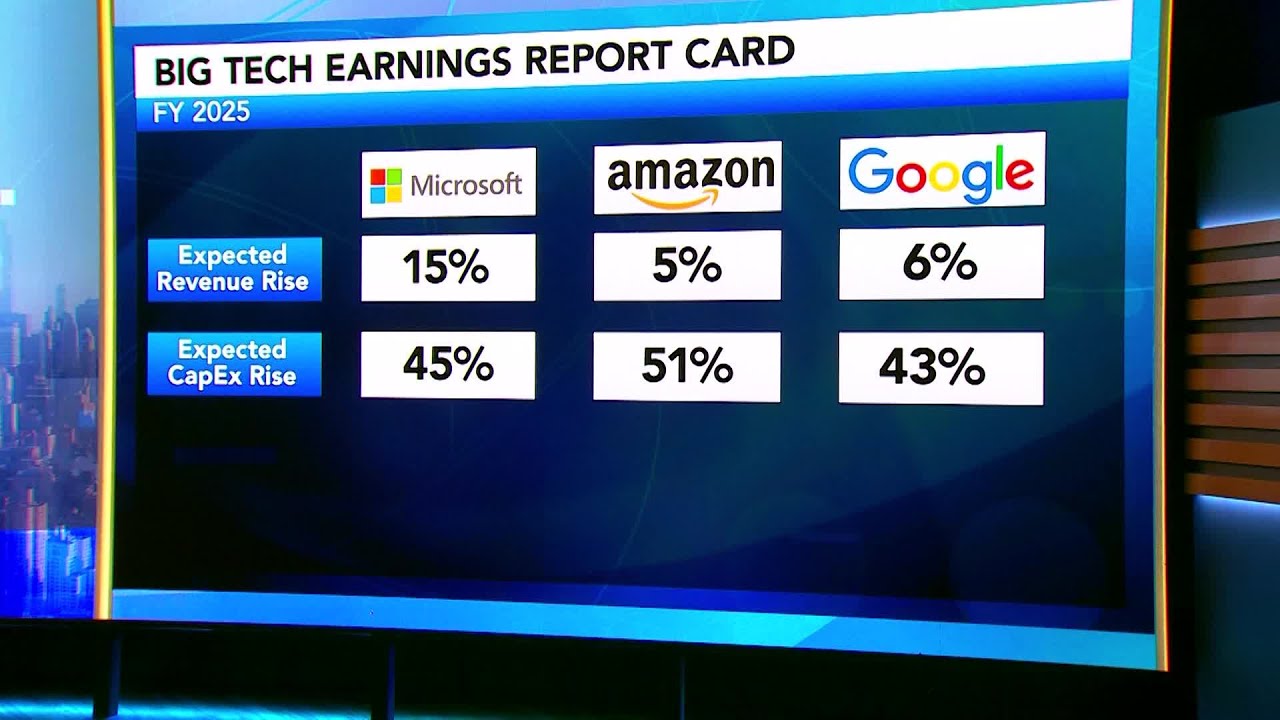
The broader tech industry is undergoing a significant capital expenditure boom, with companies like Amazon, Google, and Microsoft dramatically increasing their spending to build AI capabilities and infrastructure. This surge in investment is seen as the early innings of a long game, with these companies preparing for a future dominated by AI-driven innovation. However, this arms race raises concerns about sustainability, as the rising costs and depreciation of AI-related assets could pressure these companies’ financials. Investors are advised to consider the long-term implications of these investments and the balance between growth and cost discipline.
There is also a cautionary note about the hype surrounding AI, with some companies potentially overpromising or misrepresenting their AI capabilities. The speaker stresses the importance of discerning genuine AI leaders from those merely capitalizing on the trend for marketing purposes. This differentiation is crucial for investors aiming to identify sustainable winners in the AI space. The conversation underscores the need for careful analysis of companies’ spending, technological advancements, and market positioning to avoid falling into traps of investing in “good money after bad.”
Finally, the discussion touches on the global perspective, particularly demand trends in Asia, and the importance of understanding regional market dynamics. The speaker reflects on recent travels and observations, noting that while AI is a dominant theme, not all players in the market are equally positioned to benefit. The emphasis remains on identifying companies with real AI capabilities and strong derivative opportunities, such as cybersecurity and authentication, which are expected to grow alongside AI advancements. Overall, the conversation paints a nuanced picture of the tech industry’s AI evolution, highlighting opportunities, risks, and strategic approaches.