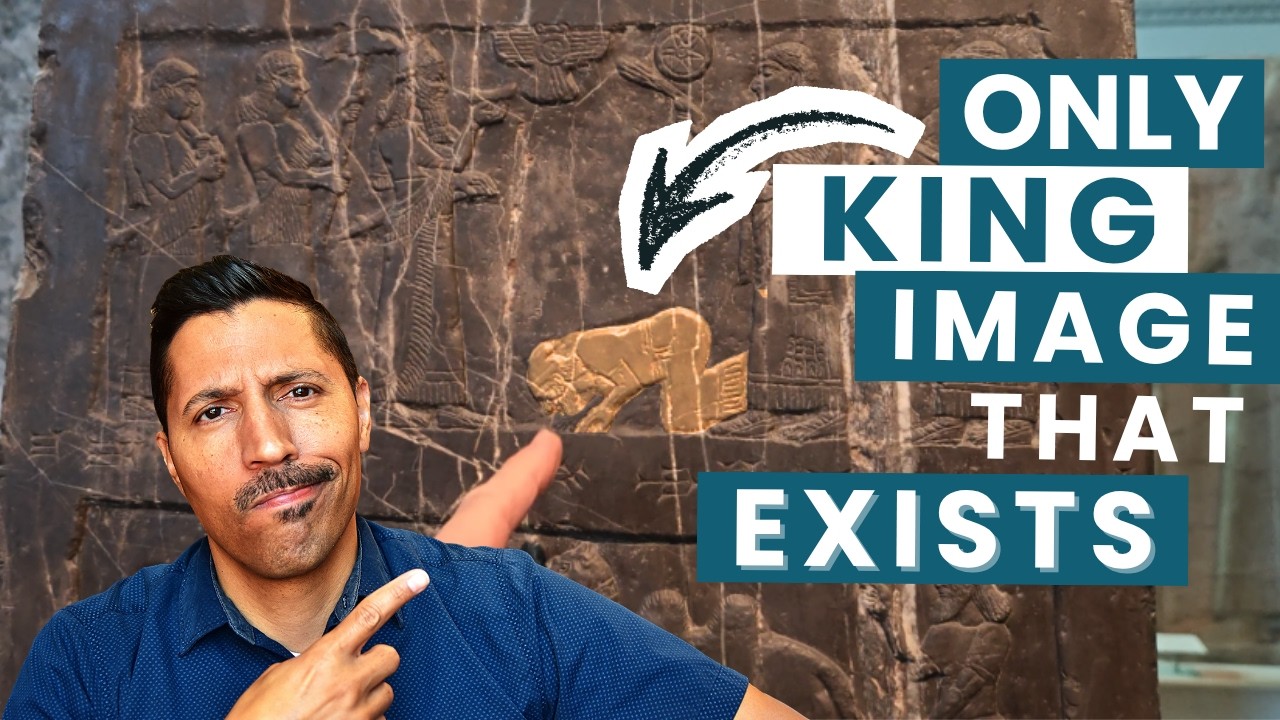
The video presents archaeological evidence, notably the Shalmaneser III obelisk bearing King Jehu’s name, which corroborates biblical accounts of Jehu’s reign and Israel’s tribute to Assyria, thereby affirming the historical basis of these biblical narratives. It emphasizes how such artifacts challenge the notion of the Bible as mere fiction, offering tangible proof that enriches understanding of biblical history for both believers and skeptics.
The video explores the question of whether there is archaeological evidence supporting the historical accounts found in the Bible, specifically focusing on King Jehu of Israel. Contrary to the belief that the Bible is purely fictional like fantasy places such as Hogwarts or Gondor, the video highlights that physical artifacts exist in museums worldwide, including the British Museum, which houses significant items linked to biblical narratives. Tour operator David Euan shares his personal journey from viewing the Bible as mere words to experiencing it as a living history through ancient artifacts that are thousands of years old.
One key artifact discussed is an obelisk created by Shalmaneser III, an Assyrian king who recorded scenes of various countries bringing tribute to him. These tributes included precious goods and exotic animals, symbolizing the submission and payment of protection money to the Assyrian Empire. Among the five countries depicted, the kingdom of Israel is shown as an inferior state bringing tribute, represented by a bowing figure identified as King Jehu. This identification is supported by cuneiform inscriptions on the obelisk, which include Jehu’s name.
The video references biblical passages from 2 Kings 9 and 10, which describe Jehu’s divine mission to destroy the house of Ahab due to their wickedness. This historical and biblical connection is emphasized by the artifact’s depiction of Jehu, providing a rare visual representation of an Israelite king. Such depictions are uncommon because the Israelites, following the second commandment, generally avoided creating carved images to prevent idolatry, making this Assyrian portrayal of Jehu unique.
David Euan explains that the obelisk not only confirms the existence of King Jehu but also illustrates the political dynamics of the time, with Israel paying tribute to the powerful Assyrian Empire. The video also touches on the broader significance of these findings in countering claims that the Bible is merely a collection of fairy tales. The physical evidence, such as the Jehu inscription, lends credibility to the biblical narrative by providing tangible proof of historical figures and events.
In conclusion, the video encourages viewers to explore these archaeological connections further and to appreciate how ancient artifacts can bring biblical stories to life. It suggests that such evidence helps believers and skeptics alike understand the historical context of the Bible, reinforcing its authenticity beyond just written text. Viewers are invited to continue learning by watching related videos and engaging with more content that bridges archaeology and biblical history.