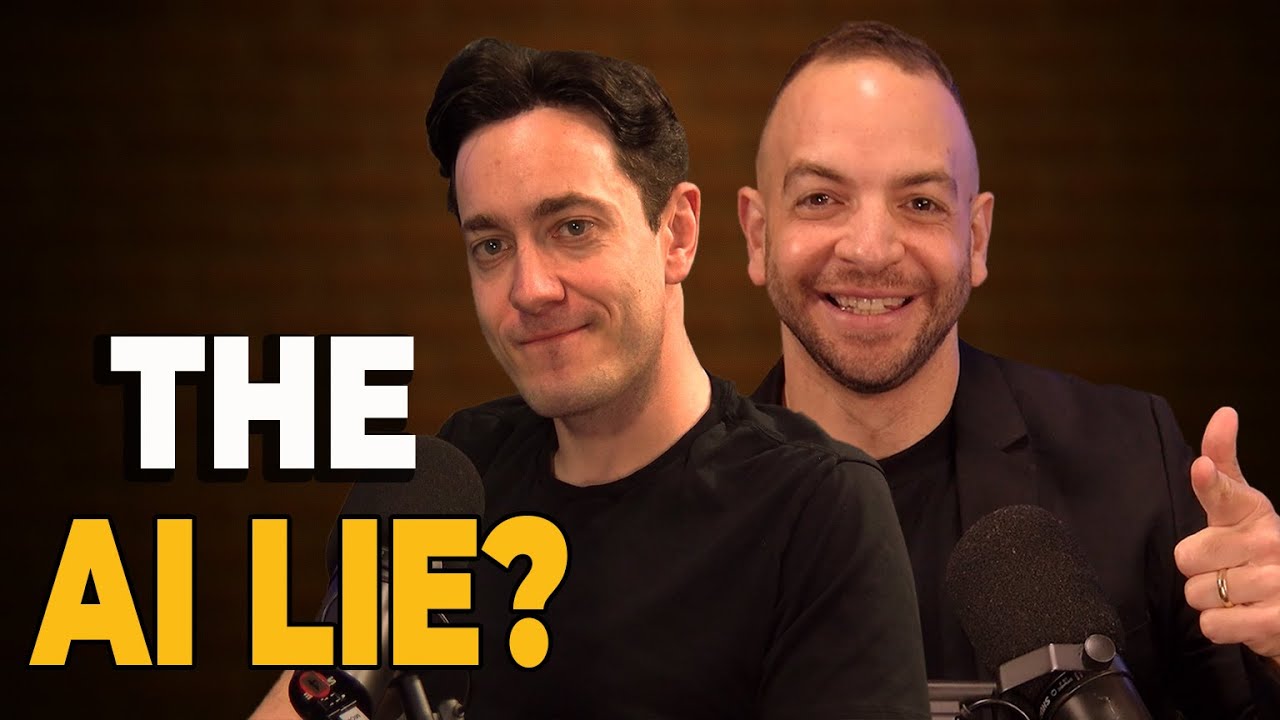
In this episode of the Big Technology Podcast, Ed Zitron presents a critical perspective on the sustainability of the AI business, particularly focusing on OpenAI and the broader AI industry. Zitron argues that despite the hype, the economics of AI companies are fundamentally unsustainable. He highlights that OpenAI is projected to burn billions of dollars this year without a clear path to profitability, relying heavily on external funding from entities like SoftBank and Microsoft. The conversation underscores the vast capital expenditures required for AI infrastructure, such as data centers and GPUs, and questions whether the current business models can ever scale to the trillion-dollar valuations often claimed.
The discussion delves into the challenges of AI as a replacement or competitor to existing technologies like Google Search. Zitron points out that while AI models like ChatGPT may offer better understanding of user intent, they lack the robust infrastructure and advertising ecosystem that powers Google’s massive revenue. He emphasizes that building a profitable search business requires owning the entire advertising stack, something OpenAI and other AI startups currently do not possess. Moreover, the reliability issues and hallucinations inherent in large language models limit their effectiveness as search replacements, making it unlikely they will disrupt the search market at scale anytime soon.
Zitron also critiques the overhyped promises around AI’s ability to replace human labor, particularly in coding and enterprise software. While acknowledging some productivity gains from AI-assisted coding tools, he argues that these are incremental improvements rather than revolutionary changes that could justify the enormous valuations and investment. The conversation highlights the gap between the optimistic narratives pushed by AI companies and venture capitalists and the actual, limited economic impact observed so far. Zitron stresses that many AI startups are losing significant money, and the promised breakthroughs in autonomous agents and AGI remain speculative and unproven.
The episode further explores the complex relationships between AI companies and their major backers, especially Microsoft and SoftBank. Zitron reveals tensions around control, intellectual property, and financial arrangements, suggesting that OpenAI’s reliance on external partners and lack of owned infrastructure make it vulnerable. He warns that if the AI investment bubble bursts, it could have widespread repercussions, including for companies like Nvidia that supply critical hardware. The conversation paints a picture of an industry caught in a cycle of hype, massive spending, and uncertain returns, with significant risks for investors and the broader tech ecosystem.
Finally, Zitron reflects on the societal and media dynamics fueling AI hype and fear. He notes that many people are genuinely concerned about job displacement and the promises of AGI, but these fears are often stoked by exaggerated claims and unclear messaging from tech leaders and journalists. He criticizes the disconnect between the lofty visions of AI’s potential and the current reality of its capabilities and business models. Despite his skepticism, Zitron acknowledges the importance of nuanced discussion and transparency about AI’s limitations, urging a more grounded approach to understanding and investing in this transformative yet challenging technology.