Certainly! Here’s a five-paragraph summary of the transcript:
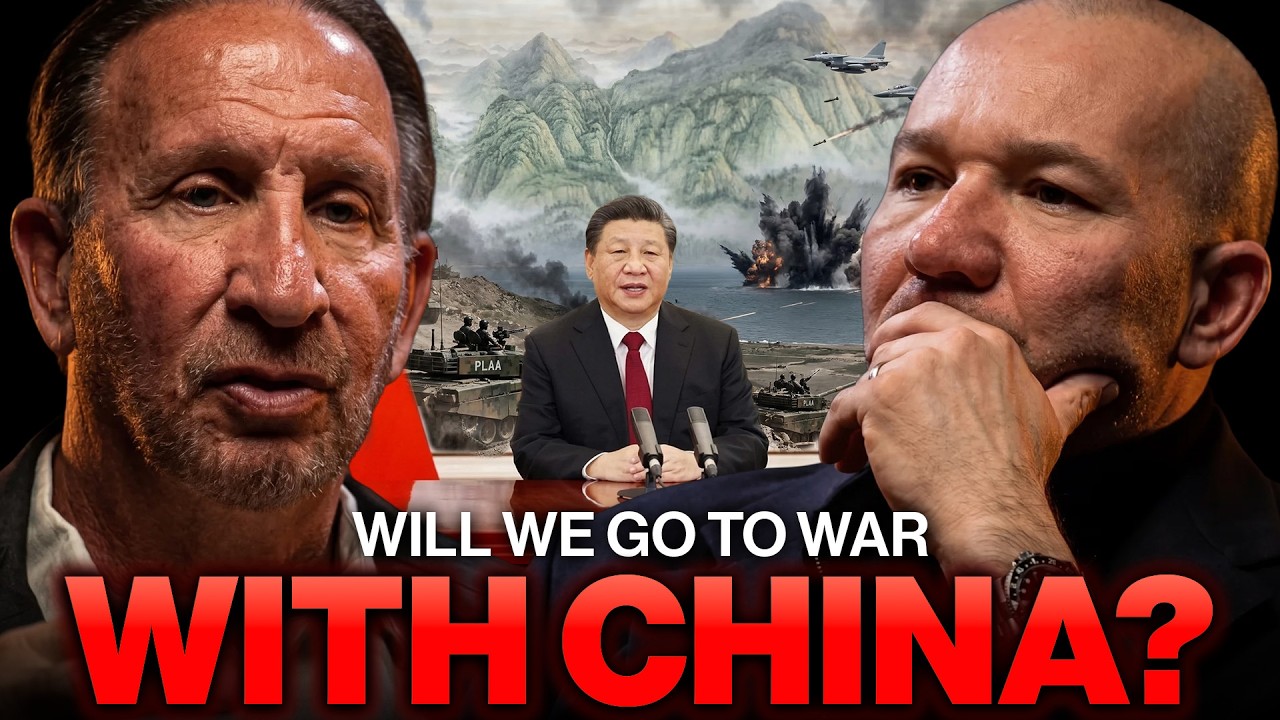
The discussion centers on the growing concern that the United States may be overextending its military resources by engaging in multiple global conflicts, particularly in the Middle East, while China continues to exert pressure on Taiwan through non-traditional, “grayzone” tactics. The speakers speculate that China is strategically allowing the U.S. to become bogged down in the Middle East, especially with its focus on Iran, which could deplete American military readiness and resources, making it harder to respond to a potential crisis in Taiwan.
They highlight that China has not needed to invade Taiwan directly, instead using psychological and military pressure to normalize its presence around the island. Meanwhile, the U.S. is stretched thin, with military commitments in places like Ukraine, Venezuela, Gaza, and the Middle East, and is already facing shortages in munitions. The conversation raises the possibility that if the U.S. cannot supply Israel with more munitions, Israel might withdraw from its current engagements, further complicating the geopolitical landscape.
A personal anecdote from the Gulf War illustrates the consequences of resource mismanagement and political decisions on military effectiveness. The speaker recounts how, during Desert Storm, U.S. forces faced unexpected shortages in ammunition and spare parts due to years of budget reallocations toward expensive weapons systems at the expense of basic supplies. This left troops in a precarious position, unable to fully defend themselves or maintain their equipment, despite being part of the world’s most powerful military.
The speakers draw a parallel between past and present, suggesting that similar issues of resource allocation and political decision-making are affecting the U.S. military today. They express concern that ongoing conflicts and the diversion of resources could undermine America’s ability to respond to new threats, particularly if China decides to act on its stated goal of taking Taiwan by 2027. The conversation underscores the risk that the U.S. could be caught unprepared if it continues to stretch its military too thin.
In conclusion, the discussion serves as a warning about the dangers of overextension and complacency in U.S. foreign policy and military planning. The speakers urge viewers to consider the broader implications of current events and to question whether the U.S. is inadvertently creating vulnerabilities that adversaries like China and Russia could exploit. They emphasize the importance of public awareness and encourage sharing the conversation to foster a more informed debate about national security and strategic priorities.