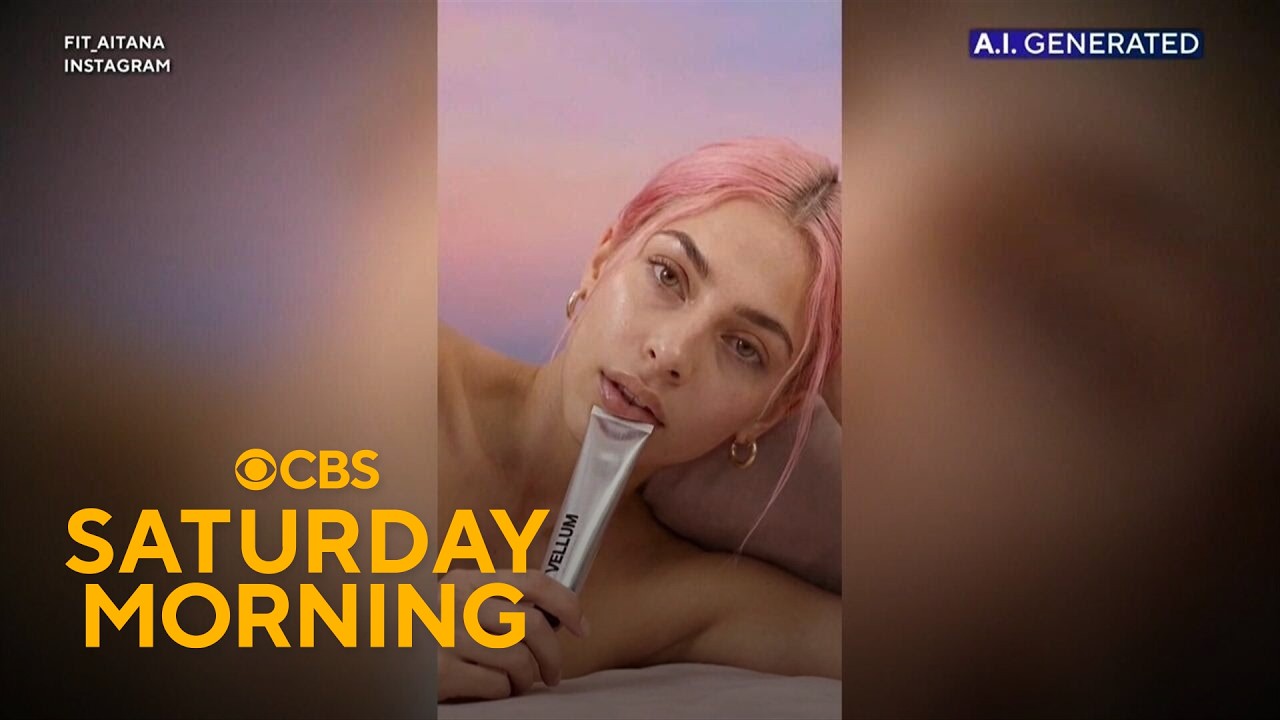
The video examines the growing presence of AI-generated influencers on social media, highlighting how brands use these convincing virtual personalities to market products, which blurs the line between reality and artificiality. It also addresses public skepticism and ethical concerns about the authenticity and trustworthiness of AI influencers, as advancements in technology make it increasingly difficult to distinguish fake content from real.
The video explores the rise of AI-generated influencers on social media, highlighting how these virtual personalities are becoming increasingly common and sophisticated. Unlike traditional influencers, these AI-created figures are not real people, yet they are gaining followers and trust from consumers. Brands are leveraging this technology to market products, blurring the lines between reality and artificial creation.
Chanel Cole introduces the topic by referencing a viral AI-generated image of the Pope wearing a puffer jacket from three years ago, illustrating how far AI technology has come since then. She demonstrates this advancement by showing a video of herself promoting Target skincare, which viewers initially believe is a real person but is actually AI-generated. This example underscores how convincing AI influencers have become, making it difficult for audiences to distinguish between genuine and artificial content.
The video features reactions from New Yorkers who express confusion and skepticism about the authenticity of online personalities. Their comments reveal a growing uncertainty about what is real on social media, as AI-generated content becomes more prevalent and harder to detect. This uncertainty raises concerns about the trustworthiness of the information and endorsements shared by these virtual influencers.
Content creator and skincare brand co-founder Charlotte Palamino weighs in on the issue, emphasizing the ethical implications of taking advice from AI influencers who cannot genuinely use or endorse the products they promote. She points out subtle inconsistencies, such as logos not matching skin tones, that can hint at the artificial nature of these influencers. Palamino is committed to exposing these non-human personalities to protect consumers from deception.
Finally, the video discusses how advancements in AI have made it increasingly difficult to identify fake content. Previously, giveaways like unnatural hand movements or awkward eating habits made AI-generated videos easy to spot. However, current technology allows for near-perfect replication of human appearance and behavior, including realistic skin textures and facial movements. This progress poses new challenges for consumers trying to navigate the authenticity of online content.