Certainly! Here’s a five-paragraph summary of the transcript:
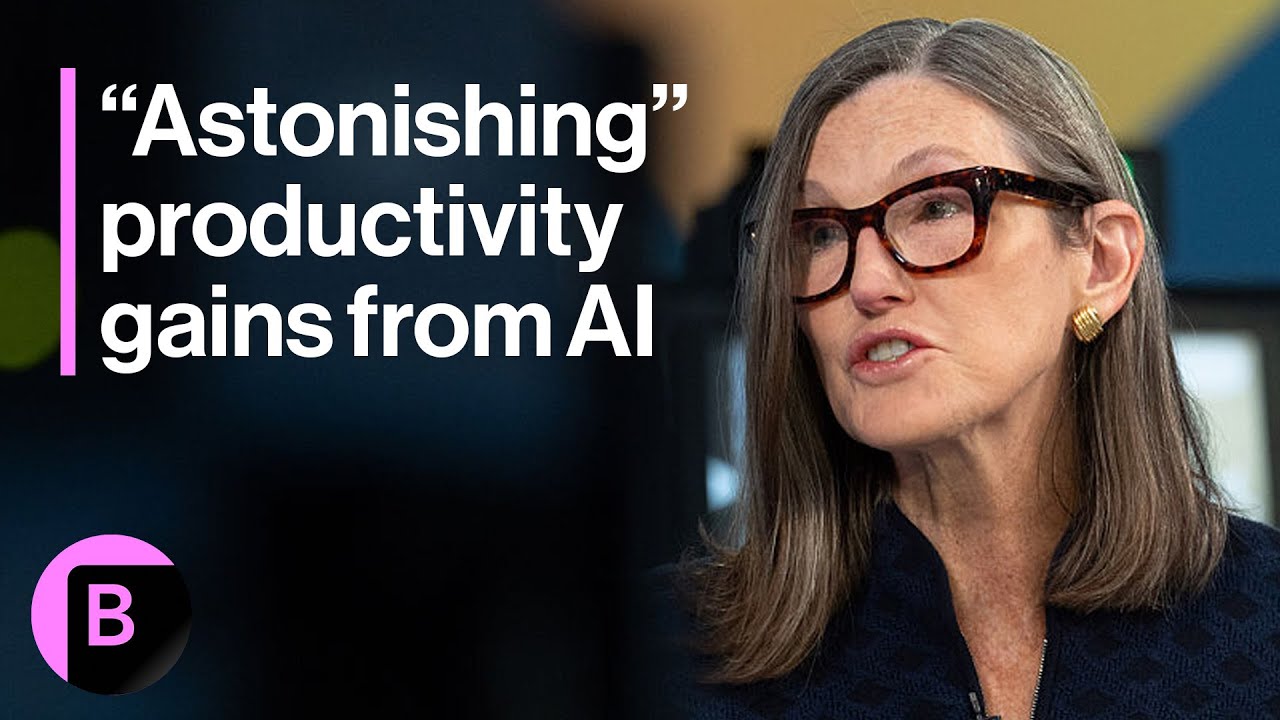
The discussion centers on the explosive growth in revenue and productivity driven by AI, particularly from leading frontier model providers like Anthropic and OpenAI. Annualized revenue run rates for these companies have surged dramatically, reflecting the rapid adoption and impact of large language models. Even former skeptics are now impressed by the tangible productivity gains these technologies are delivering, both within firms and across the broader economy.
Productivity in the US, as measured by nonfarm productivity, has risen above trend, with a 2.8% year-over-year increase, and expectations are for even higher gains as AI and related technologies continue to advance. The convergence of AI with other innovations, such as autonomous mobility and robotaxis, is expected to unlock massive new revenue streams—potentially $10 to $12 trillion over the next five to ten years—significantly boosting GDP.
The conversation then shifts to geopolitics, particularly the ongoing conflict in the Middle East, and its potential impact on technology markets. While tech companies are somewhat insulated from immediate geopolitical shocks, prolonged disruptions—especially those affecting energy prices and supply chains—could slow technological progress by impeding unit growth and learning curves. However, the current situation is not seen as comparable to the COVID-19 supply shock, and monetary policy remains less accommodative than during the pandemic.
Despite geopolitical uncertainties, investor interest in technology remains resilient. Both in the US and Europe, there have been net inflows into technology-focused ETFs, suggesting that investors view current setbacks as buying opportunities rather than reasons to exit the sector. The market is described as climbing a “wall of worry,” with investors using periods of uncertainty to increase their exposure to technology-oriented themes.
Finally, the discussion addresses the ongoing shift within the tech sector from software (particularly SaaS) to platform and infrastructure investments. The US and China are highlighted as the main competitors, with notable innovation in open-source AI models coming from China. The so-called “SaaS apocalypse” is seen as well underway, with platform-as-a-service offerings increasingly taking market share from traditional SaaS. As disruption continues, many SaaS companies are transitioning into value stocks, attracting interest from value-oriented investors due to their cash flow and product stickiness.